This website uses cookies.
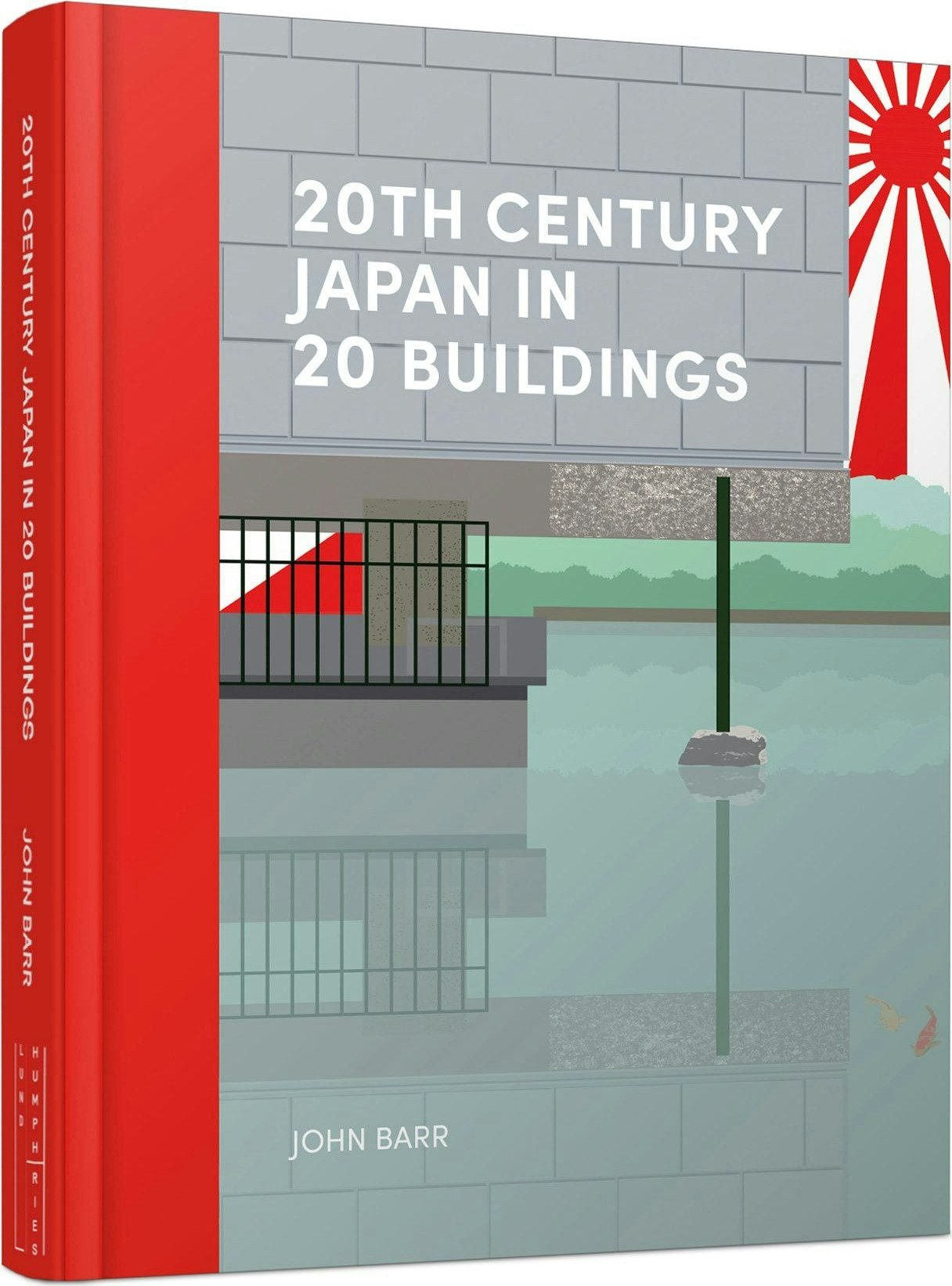
20th Century Japan in 20 Buildings cover

20th Century Japan in 20 Buildings

by

There is a long history in the West of viewing Japan through the twin lenses of orientalism and exoticism. Following the Meiji Restoration of 1868 and the re-opening of Japan after a long period of self-imposed isolation there has been a succession of commentators who have sought to present Japan as somehow ‘other’ and not susceptible to ready understanding. Too often the study of Japanese architecture has followed this pattern or has been presented as a series of visual images that are explained as if they emerged from some unique alchemy of sensitivity and mysticism. This book argues that Japanese modern architecture emerged from identifiable events: political, social, economic, historical events, and is as susceptible as any other architecture to analysis and criticism in these terms. Episodic rather than encyclopaedic, it does not describe every twist and turn in the development of modern Japanese architecture, but rather, it examines twenty buildings spanning the 20th century and places them in the context of the political, social and economic, as well as the historical and cultural factors that shaped both them and modern Japan. Each building has been chosen because it reflects a major event in the development of modern Japan and its architecture. In this way, the author provides a more rounded understanding of the development of modern architecture in Japan and the circumstances from which it emerged and offers lessons that are still of relevance. As it entered the modern era, Japan was faced with the necessity of accepting an influx of Western technology in order to catch up. With imported technology came new and different ideas and values. Could the Japanese adopt the technology imported from the West while retaining their own culture and values? How could they identify those values and should they try to retain them or embrace new and different values? In the early 21st century, where we have seen the growth of the Internet and globalisation alongside an increase in nationalism around the world, these should be familiar questions. In a sense we are all Japanese now.
Publisher
John Barr
ISBN-13
9781848225725
Subjects
Hardcoverbic AMX: History of architecturecontributor:John Barrformat:Hardcoverimprint:Lund Humphries Publishers Ltdprice:49.99publication-date:2022-03-01publisher:Lund Humphries Publishers Ltdtype:Nonfiction
  • Have:1
  • Want:
  • Avg Rating:
  • Ratings:

Who has this book

1 Connection

Recommendations

Arts & Crafts Churches
by Alec Hamilton sets out the social and political context in which these churches were designed and constructed; on the Art
Arts & Crafts Chronicler
by on leadwork
1960s University Buildings
by some of the leading British architects of the period including Basil Spence
Walter Segal
Walter Segal
by leaders of the European avant-garde
The Prints of Wilhelmina Barns-Graham
by Ann Gunn
Designing London’s Public Spaces
by Designing London’s Public
Street to Studio
Street to Studio
by their studio practice
Glass and Light
Glass and Light
by changing cultural interests in the manipulation of luminous environments as it was by technological developments
John Ruskin
John Ruskin
by Michael Glover
The Architectural Association in the Postwar Years
by CIAM (Congrès Internationaux d’Architecture Moderne) — the other being Walter Gropius’s Harvard Graduate School of Design
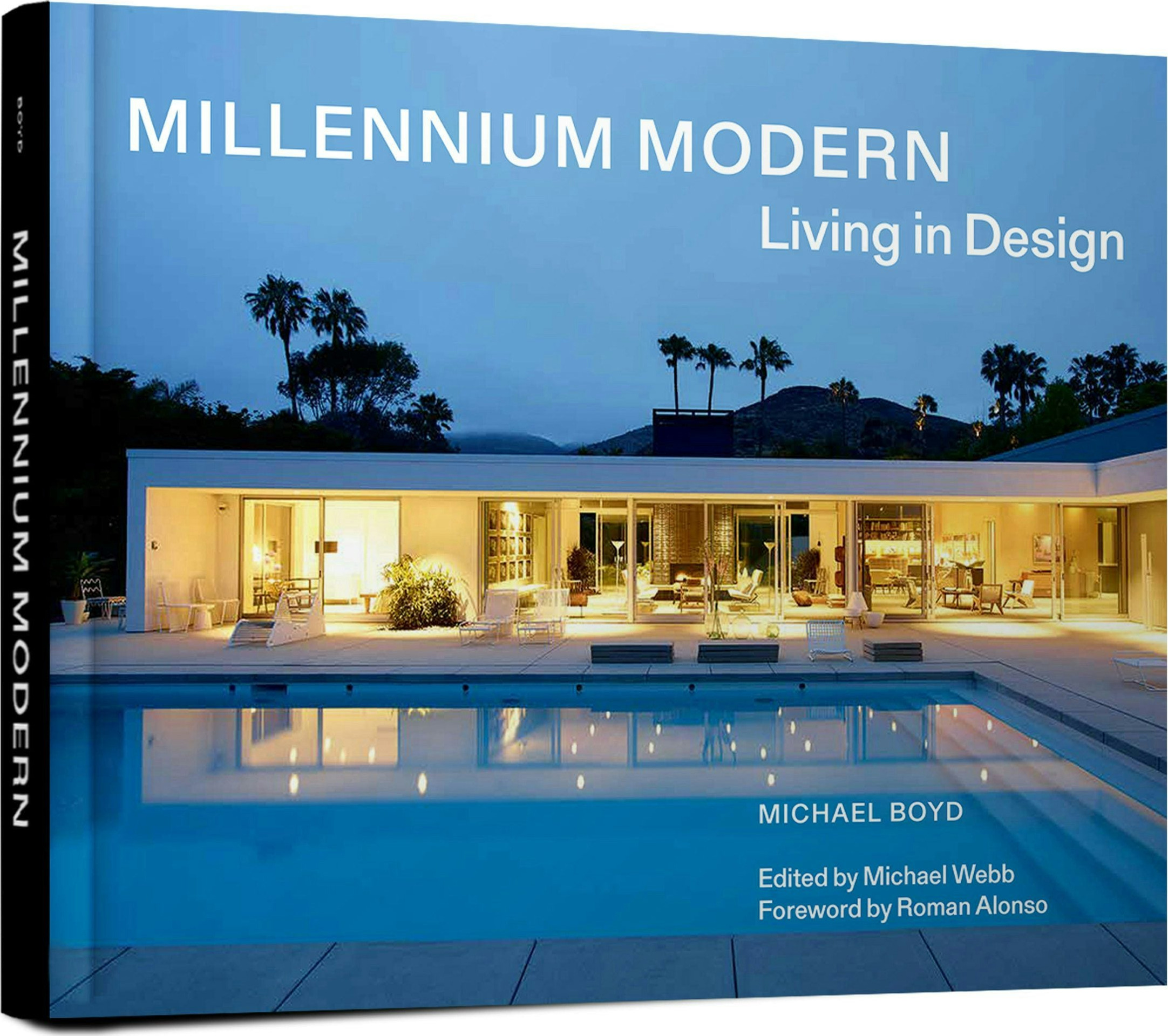
Millennium Modern
Millennium Modern
by Boyd and architectural writer Michael Webb
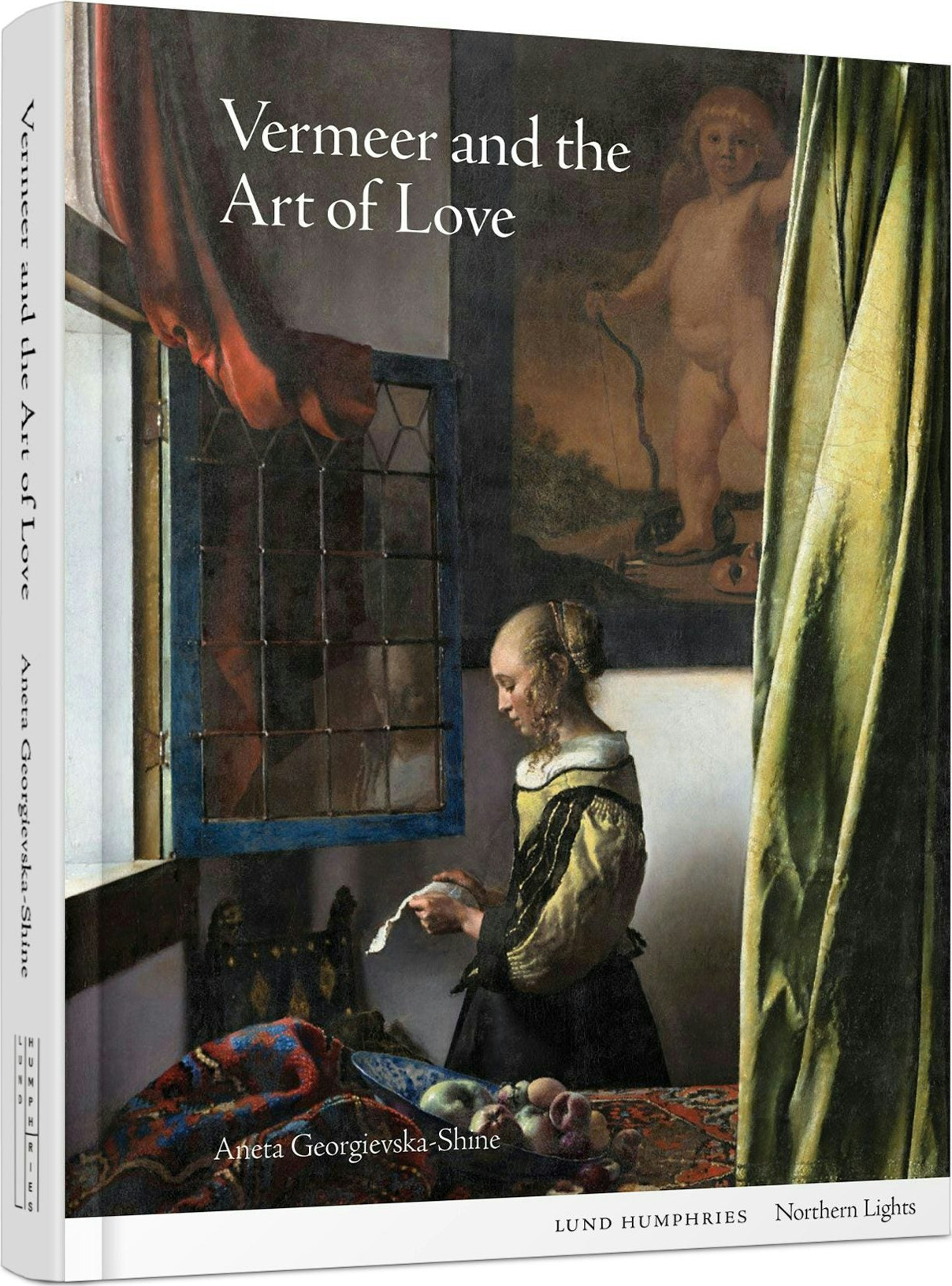
Vermeer and the Art of Love
by GEORGIEVSKA-SHI..
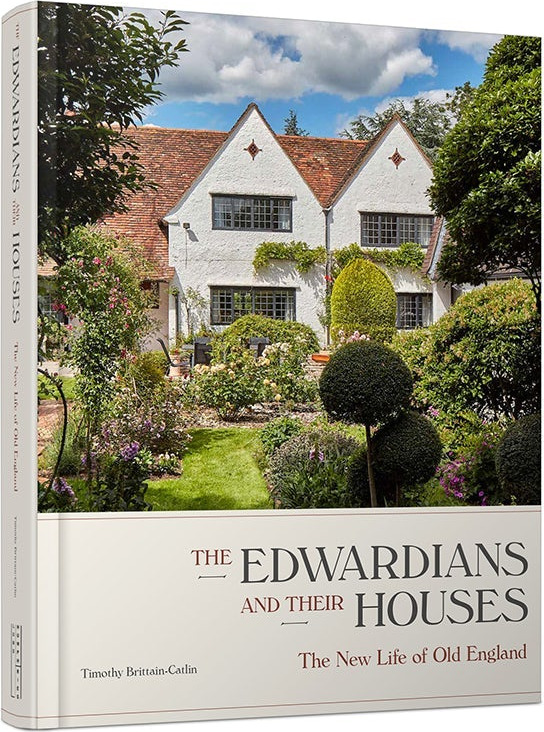
The Edwardians and their Houses
by Timothy Brittain-Catlin
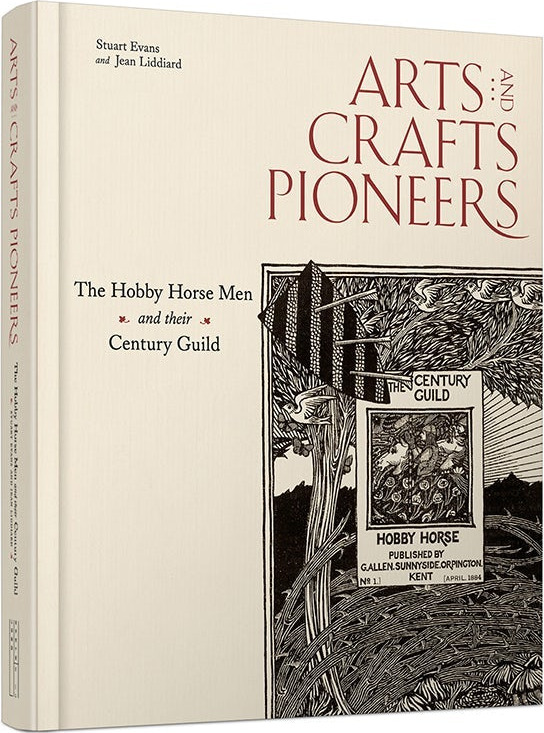
Arts and Crafts Pioneers
by the artist and poet Selwyn Image) - were driven by the ambition to answer John Ruskin’s radical call to regenerate art an
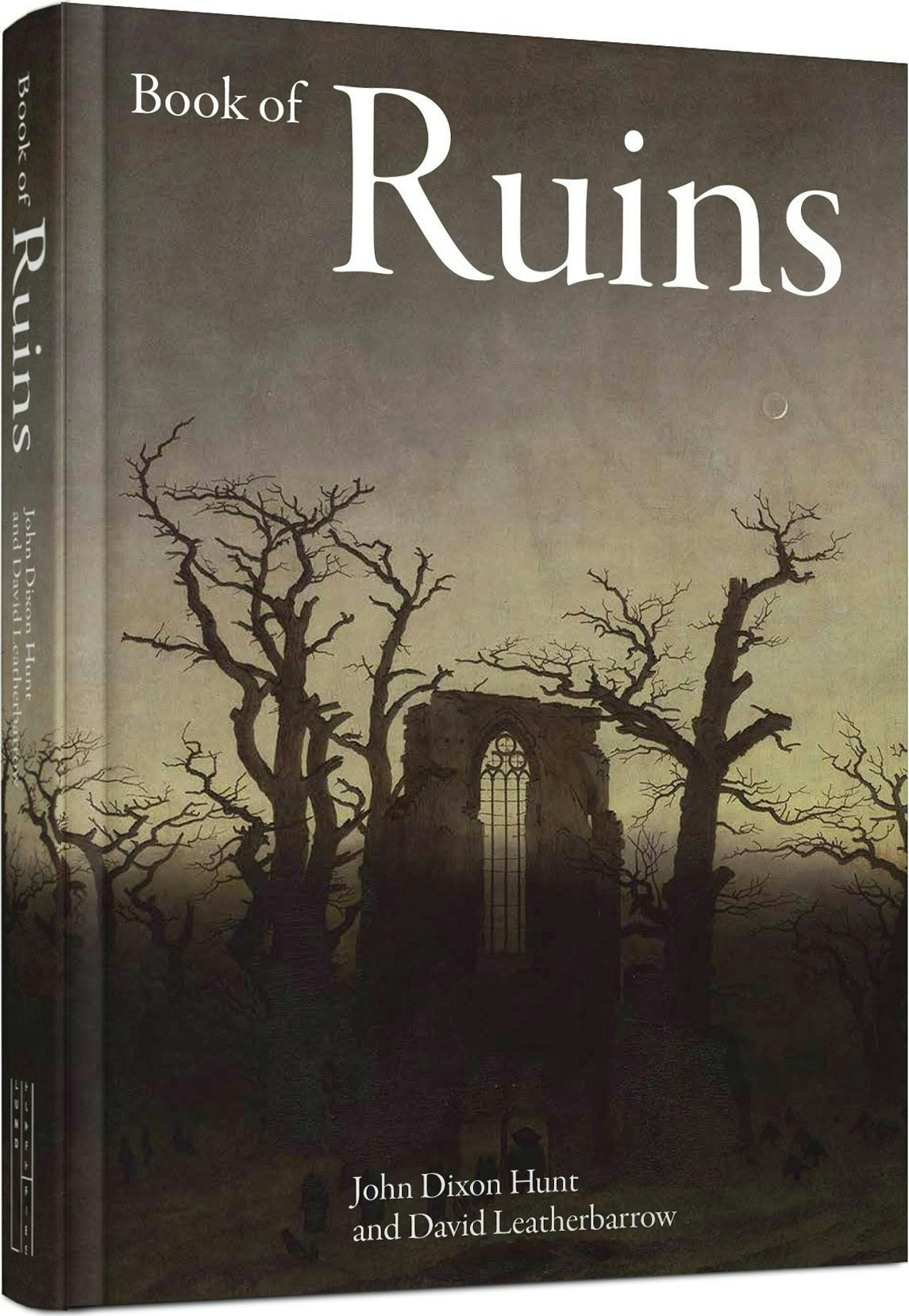
Book of Ruins
Book of Ruins
by writers
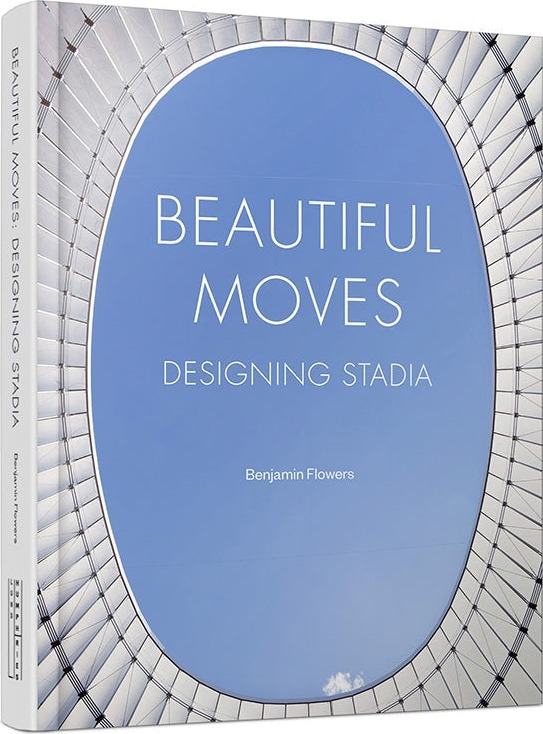
Beautiful Moves
Beautiful Moves
by examining a range of exemplary stadia from around the world (built
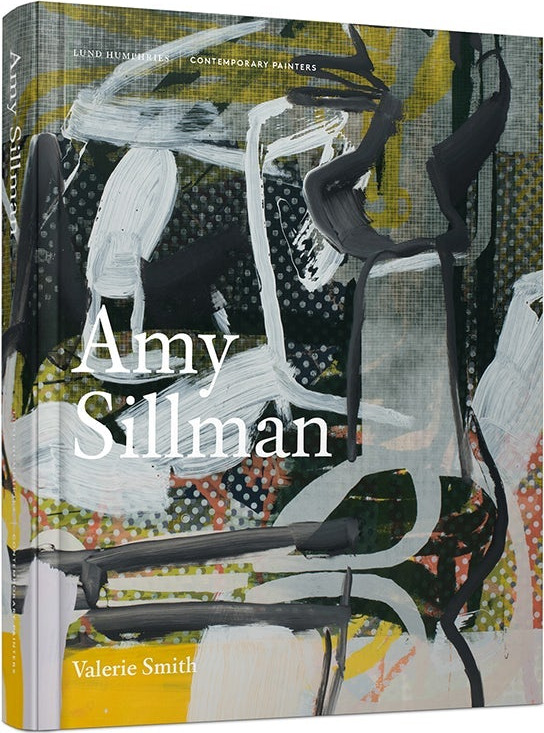
Amy Sillman
Amy Sillman
by filmmakers and musicians and the processes of her other chosen disciplines as by strictly art-historical forebears
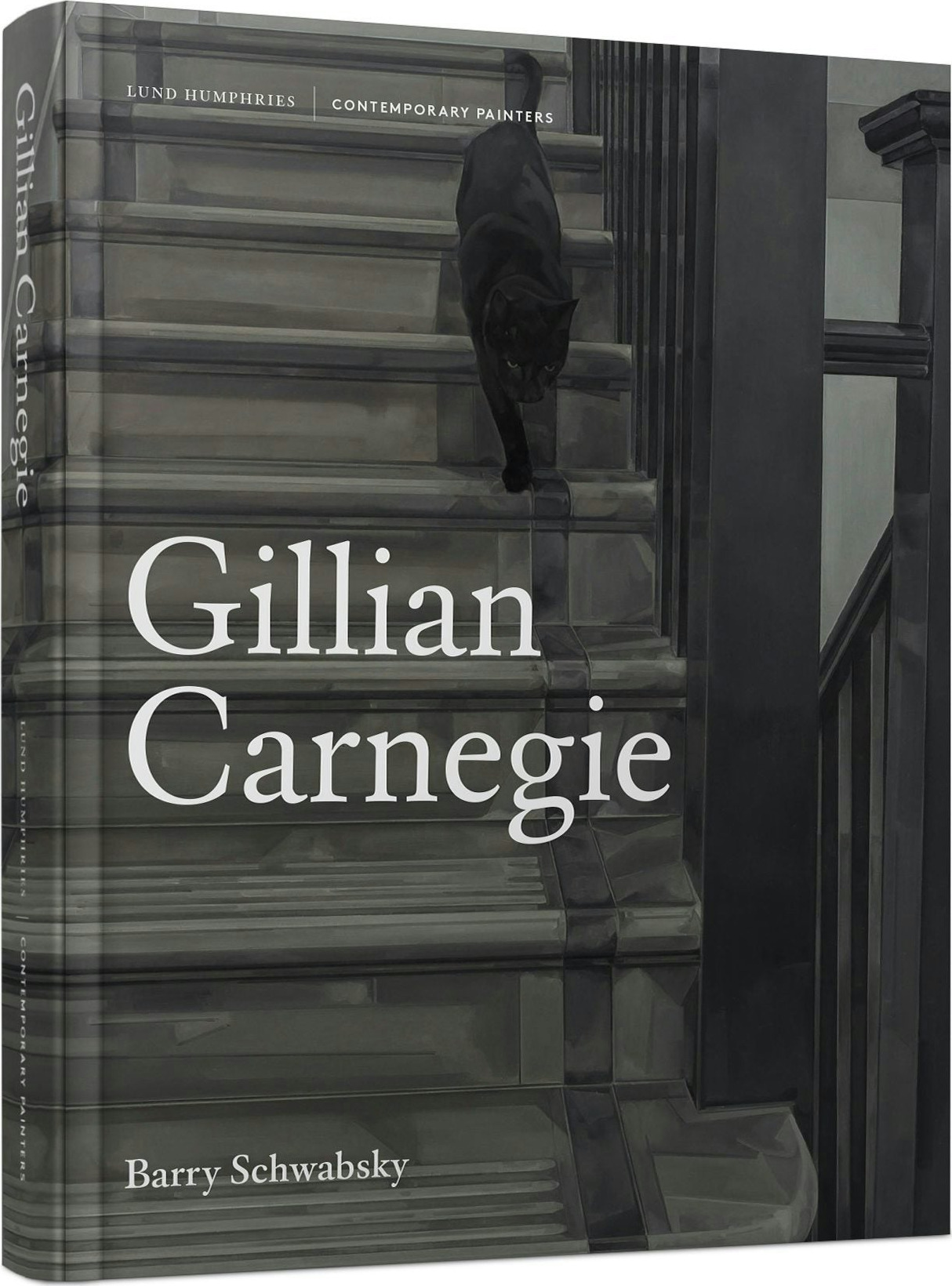
Gillian Carnegie
Gillian Carnegie
by Barry Schwabsky
Eric Mendelsohn’s Synagogues in America
by an insightful contextual essay by Ita Heinze-Greenberg which reflects on Eric Mendelsohn and his Jewish identity
The Cottage in Interwar England
by the end of the 1930s
Photography of Protest and Community
by bringing the disenfranchised and marginalised into the political debate
Hurvin Anderson
Hurvin Anderson
by Michael J. Prokopow
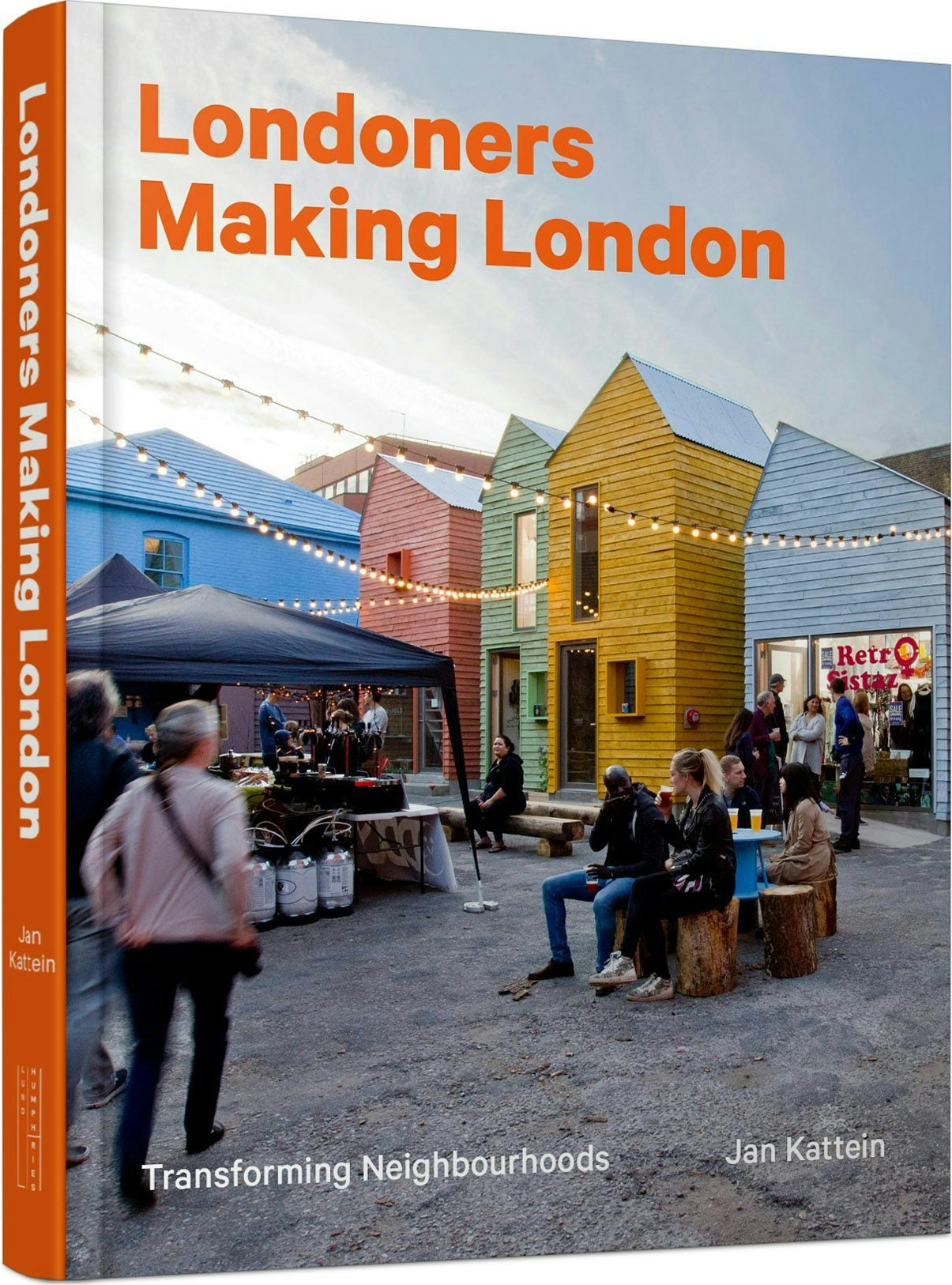
Londoners Making London
by architects
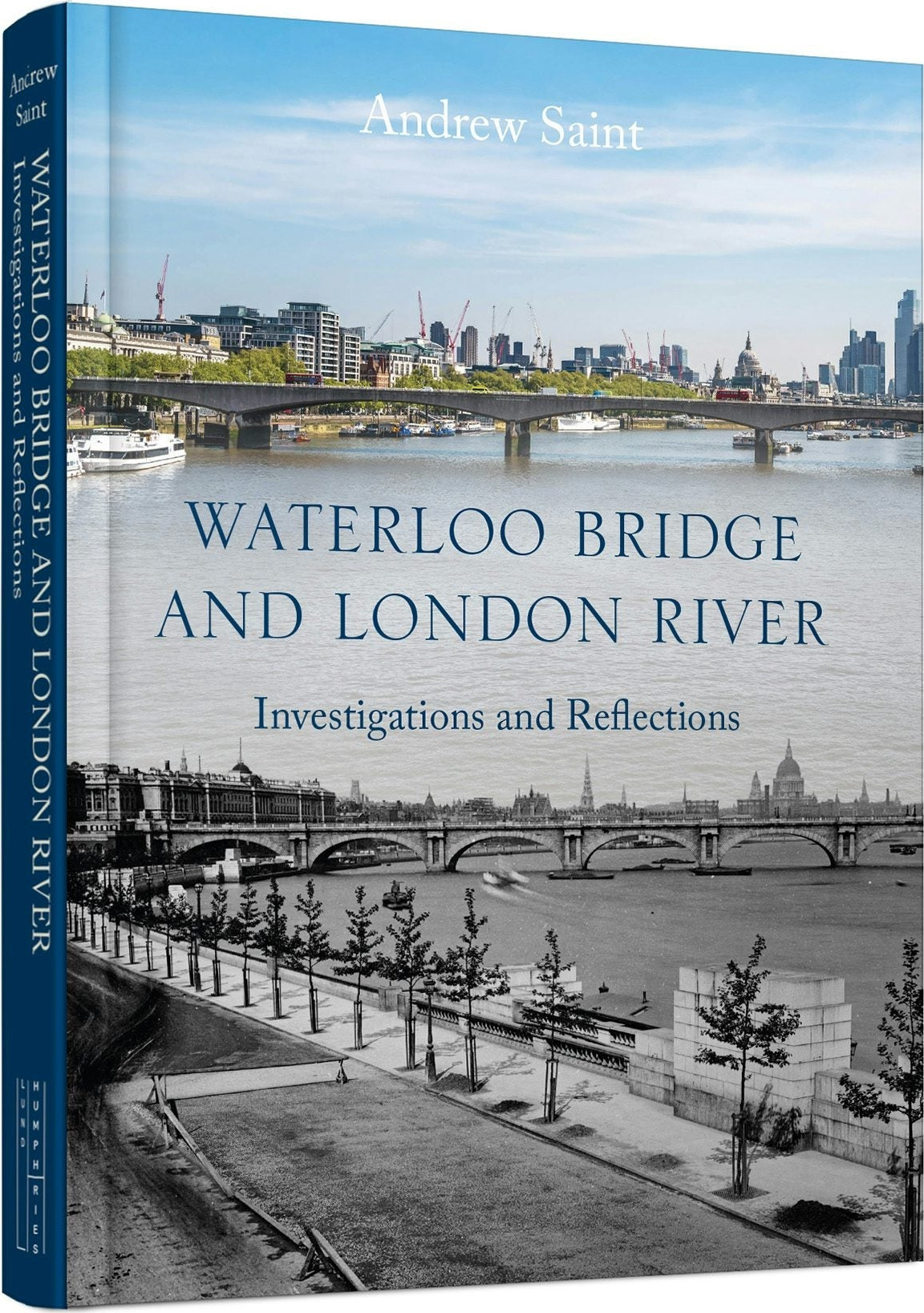
Waterloo Bridge and London River
by Waterloo Bridge
Buro Happold – Engineering, Design and Advisory
by assessing what needs to be done to plan for the next 50 years
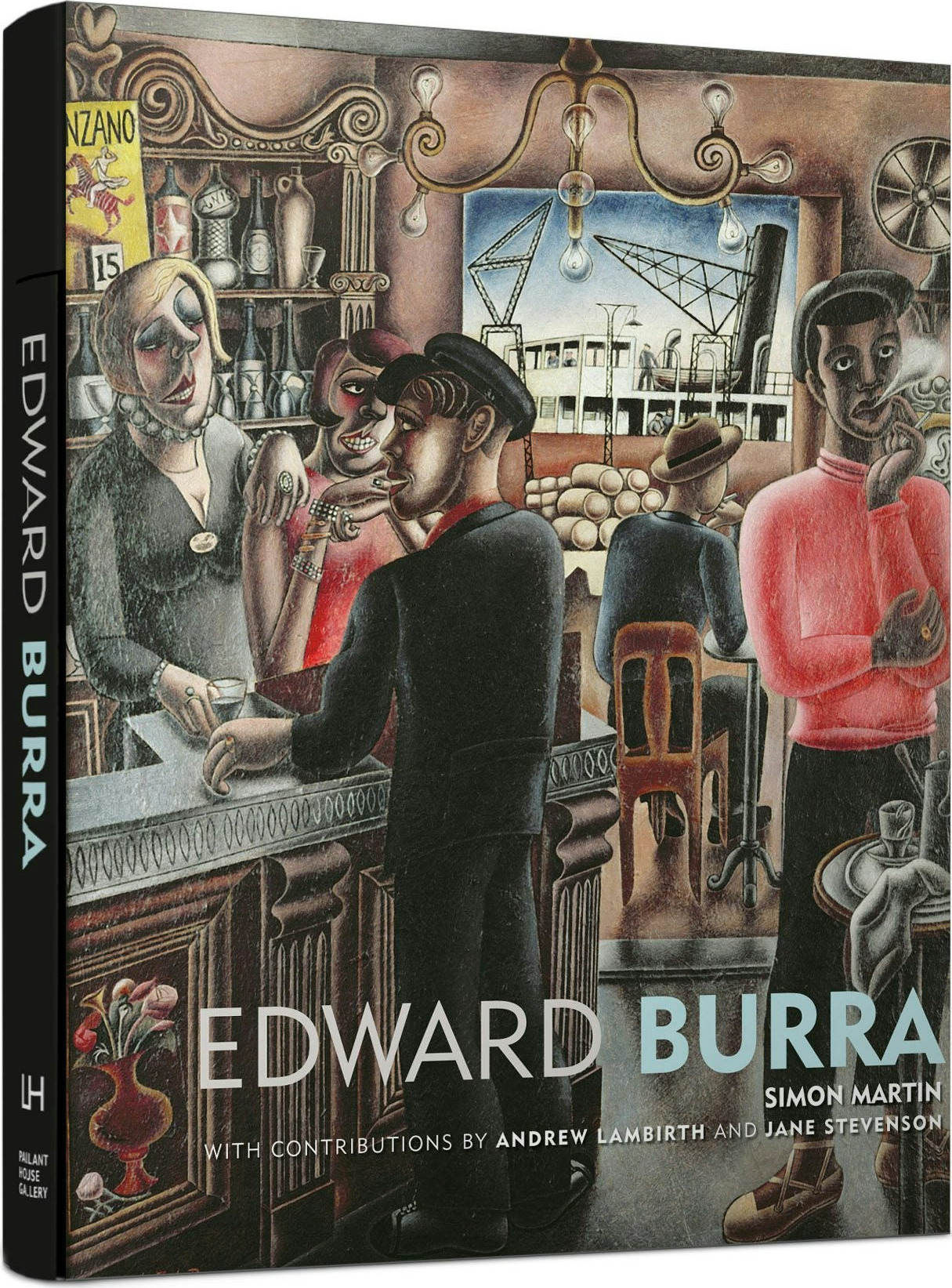
Edward Burra
Edward Burra
by histories of modern art because his singular vision was often at odd with the mainstream art world
Hans Christian Hansen
by Prof Kersten Geers
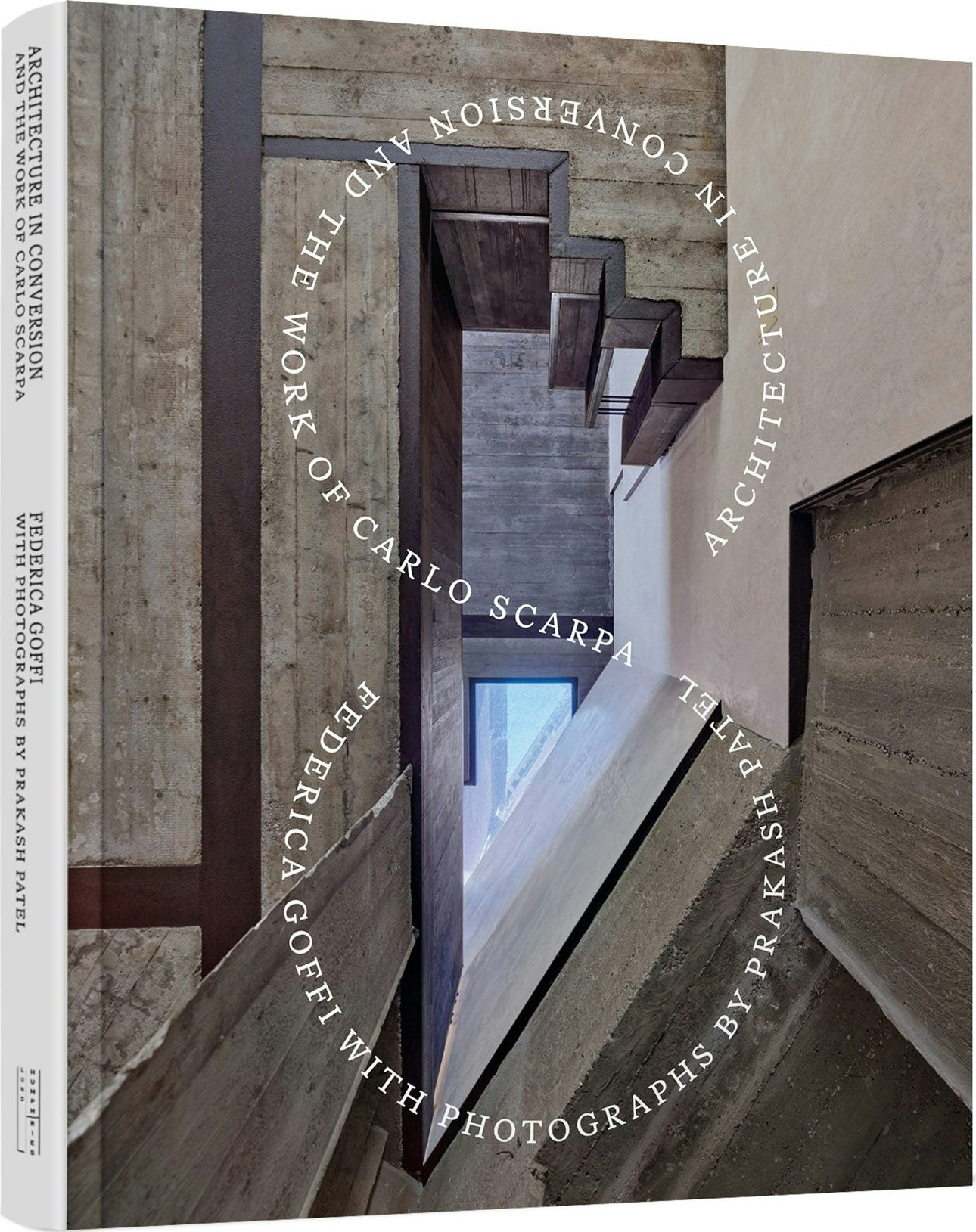
Architecture in Conversion and the Work of Carlo Scarpa
by hip
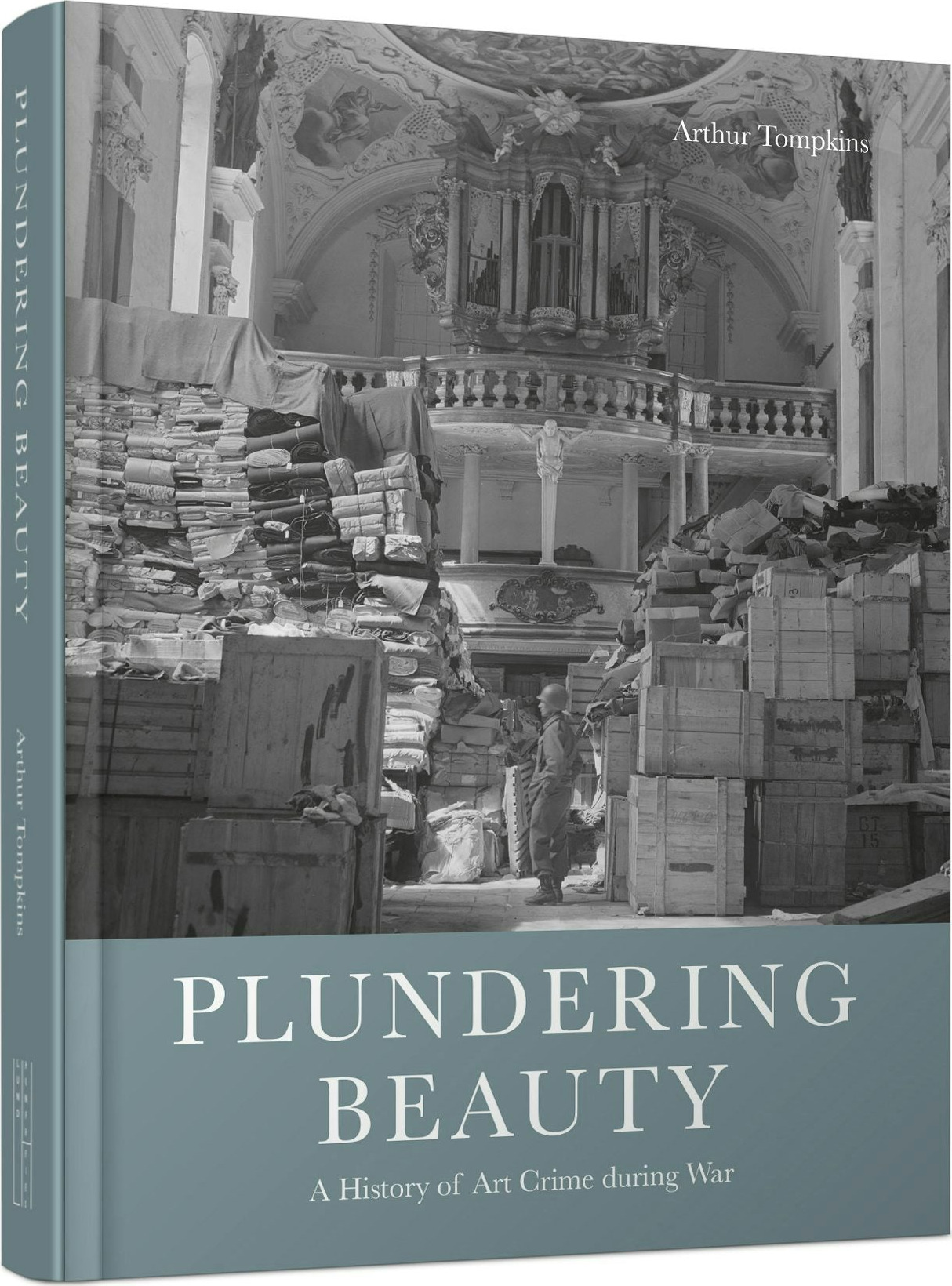
Plundering Beauty
Plundering Beauty
by an equally extensive narrative of the theft
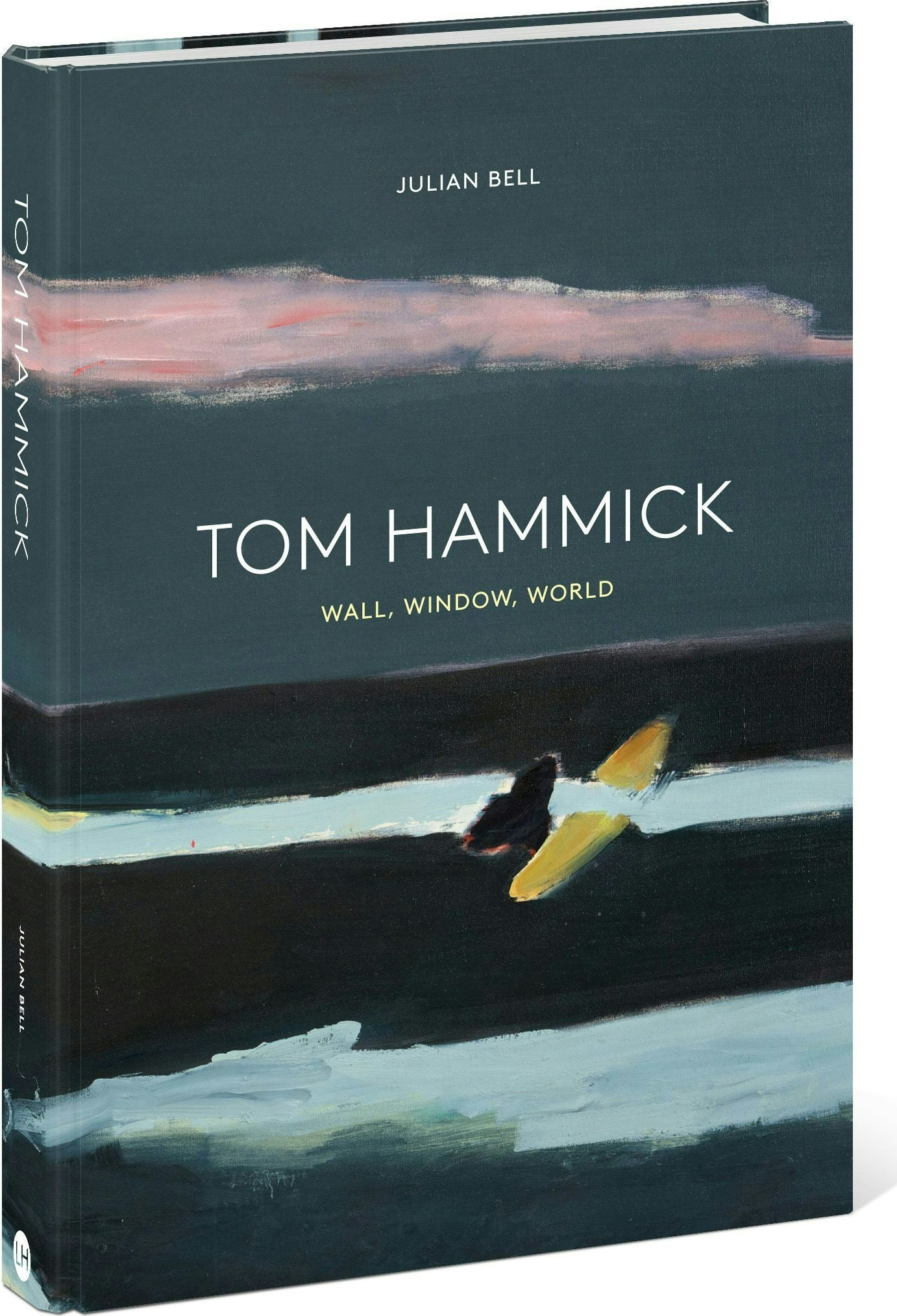
Tom Hammick
Tom Hammick
by his encounter with the wilderness of Canada's remote maritime provinces

Market

Community Notes