This website uses cookies.
Family cover

Family

by

" My entire family, whose image I see inverted in the frosted glass, will die one day. This camera, which reflects and freezes their images, is actually a device for archiving death " . – Masahisa Fukase For three generations the Fukase family ran a photography studio in Bifuka, a small provincial town in the northern Japanese province of Hokkaido. In August 1971, at the age of 35, Masahisa Fukase returned home from Tokyo, where he had moved in the 1950s. He realised that the Fukase Photographic Studio, which his younger brother managed, combined with the growing family members, constituted the perfect subject for a series of portraits. Between 1971 and 1989, he returned regularly and used the family studio, the large-format Anthony view camera and the changing family line-up as the basis for the series. True to his style, Fukase often introduced third-party models and humorous elements to juxtapose the ineluctable reality of time passing and the dwindling family group. He continued the series through his father’s death in 1987, up until the closure of the Fukase studio due to bankruptcy in 1989, and the consequential dispersion of the family. Family (Kazoku) was released in 1991, and was Fukase’s last book. It begins with a photograph of the family studio and the following 31 images are family portraits made in the studio in chronological order. The book includes an extensive text written by Fukase himself and a modern essay by Tomo Kosuga. Special Edition available here
Publisher
MACK
Publication year
2019
ISBN-13
9781912339570
Pages
144
Language
English
Subjects
Photography BooksJapanJapaneseMasahisa FukasePortraittransfer

  • Have:1
  • Want:
  • Avg Rating:
  • Ratings:

Who has this book

1 Connection

Recommendations

Bruno Munari: 47 Fotos
by Jason Fulford
Ravens
Ravens
by his camera and immortalized on the cover of his most famous book
Hibi
Hibi
by renowned Japanese photographer Masahisa Fukase
Archive
Archive
by Sofia Coppola
8 Women
8 Women
by hip and desire; the works introduced a female gaze into the debate about female representation
Hola Mi Amol
Hola Mi Amol
by vulnerable self-portraits of their intimate encounters
Physique Naughty Edition
by Aletti which traces the historical and political significance of these images
The Drawer
The Drawer
by Aletti are a celebration of the beauty of photography and the printed page
MaXXXine: The Novel
MaXXXine: The Novel
by Bram Stoker Award-winner Tim Waggoner
Eikoh Hosoe
Eikoh Hosoe
by Shuzo Takiguchi
Memory City
Memory City
by Alex Webb and Rebecca Norris Webb
Priscilla Screenplay Book
by Rashida Jones
Marc by Sofia
Marc by Sofia
by Sofia
Bruno Serralongue
Bruno Serralongue
by Bruno Serralongue
Marc Jacobs
Marc Jacobs
by Robert Fairer
Walking the High Line
by Joel Sternfeld
Donald Judd Spaces
Donald Judd Spaces
by Rainer Judd and Flavin Judd
The Book of Images
The Book of Images
by Stefano Stoll
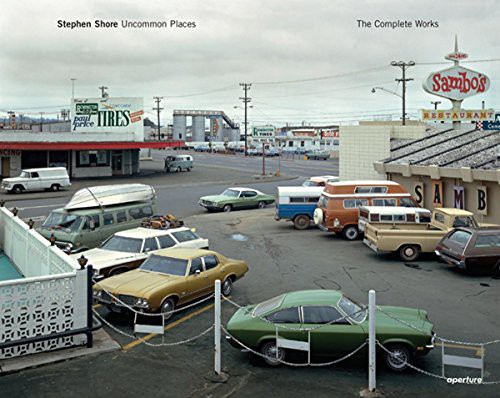
Stephen Shore: Uncommon Places: The Complete Works (Revised)
by STEPHAN SCHMIDT-WULFFEN
Misao to Fukumar
Misao to Fukumar
by Miyoko Ibara
Katja Mater
Katja Mater
by Katja Mater
Walter Keller, Beruf: Verleger
by Martin Jaeggi
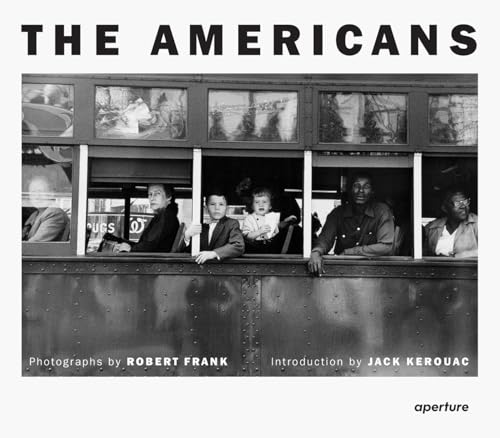
Robert Frank: The Americans
by Robert Frank
Wolfgang Tillmans: To Look Without Fear
by Roxana Marcoci
The Important Flowers Planner 2026
by Anamaria Morris for Joseph Logan Design
Mi’raj
Mi’raj
by J. Carrier
Sublime
Sublime
by Andrej Kupetz and Shonquis Moreno
The Japanese Box
The Japanese Box
by Nobuyoshi Araki
Aufbewahren für alle Zeit – Lew Kopelew
by Chris Killip
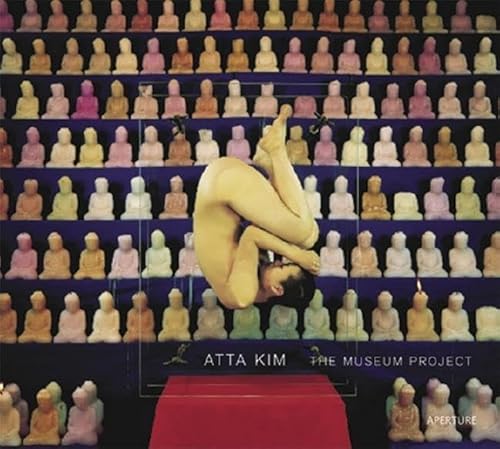
The Museum Project
The Museum Project
by Atta Kim

Market

Community Notes