This website uses cookies.
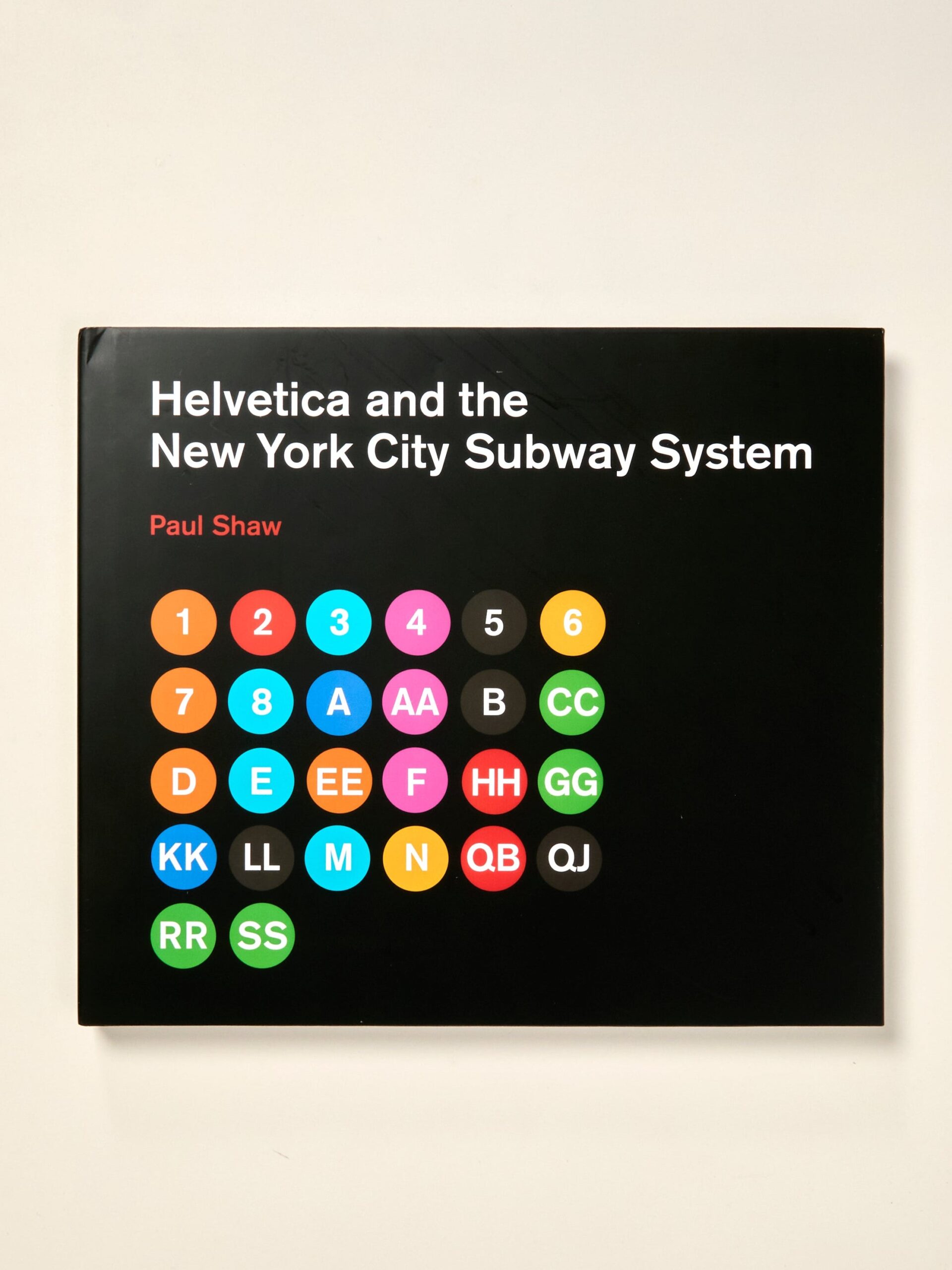
Helvetica and the New York City Subway System: The True (Maybe) Story cover

Helvetica and the New York City Subway System: The True (Maybe) Story

by

For years, the signs in the New York City subway system were a bewildering hodge-podge of lettering styles, sizes, shapes, materials, colors, and messages. The original mosaics (dating from as early as 1904), displaying a variety of serif and sans serif letters and decorative elements, were supplemented by signs in terracotta and cut stone. Over the years, enamel signs identifying stations and warning riders not to spit, smoke, or cross the tracks were added to the mix. Efforts to untangle this visual mess began in the mid-1960s, when the city transit authority hired the design firm Unimark International to create a clear and consistent sign system. We can see the results today in the white-on-black signs throughout the subway system, displaying station names, directions, and instructions in crisp Helvetica. This book tells the story of how typographic order triumphed over chaos. The process didn't go smoothly or quickly. At one point New York Times architecture writer Paul Goldberger declared that the signs were so confusing one almost wished that they weren't there at all. Legend has it that Helvetica came in and vanquished the competition. Paul Shaw shows that it didn't happen that way—that, in fact, for various reasons (expense, the limitations of the transit authority sign shop), the typeface overhaul of the 1960s began not with Helvetica but with its forebear, Standard (AKA Akzidenz Grotesk). It wasn't until the 1980s and 1990s that Helvetica became ubiquitous. Shaw describes the slow typographic changeover (supplementing his text with more than 250 images—photographs, sketches, type samples, and documents). He places this signage evolution in the context of the history of the New York City subway system, of 1960s transportation signage, of Unimark International, and of Helvetica itself.
Publisher
William Stout Architectural Books
ISBN-13
9780262015486
Subjects
Bookformat--hardcoverIn stockreadySFABF25

  • Have:1
  • Want:
  • Avg Rating:
  • Ratings:

Who has this book

1 Connection

Recommendations

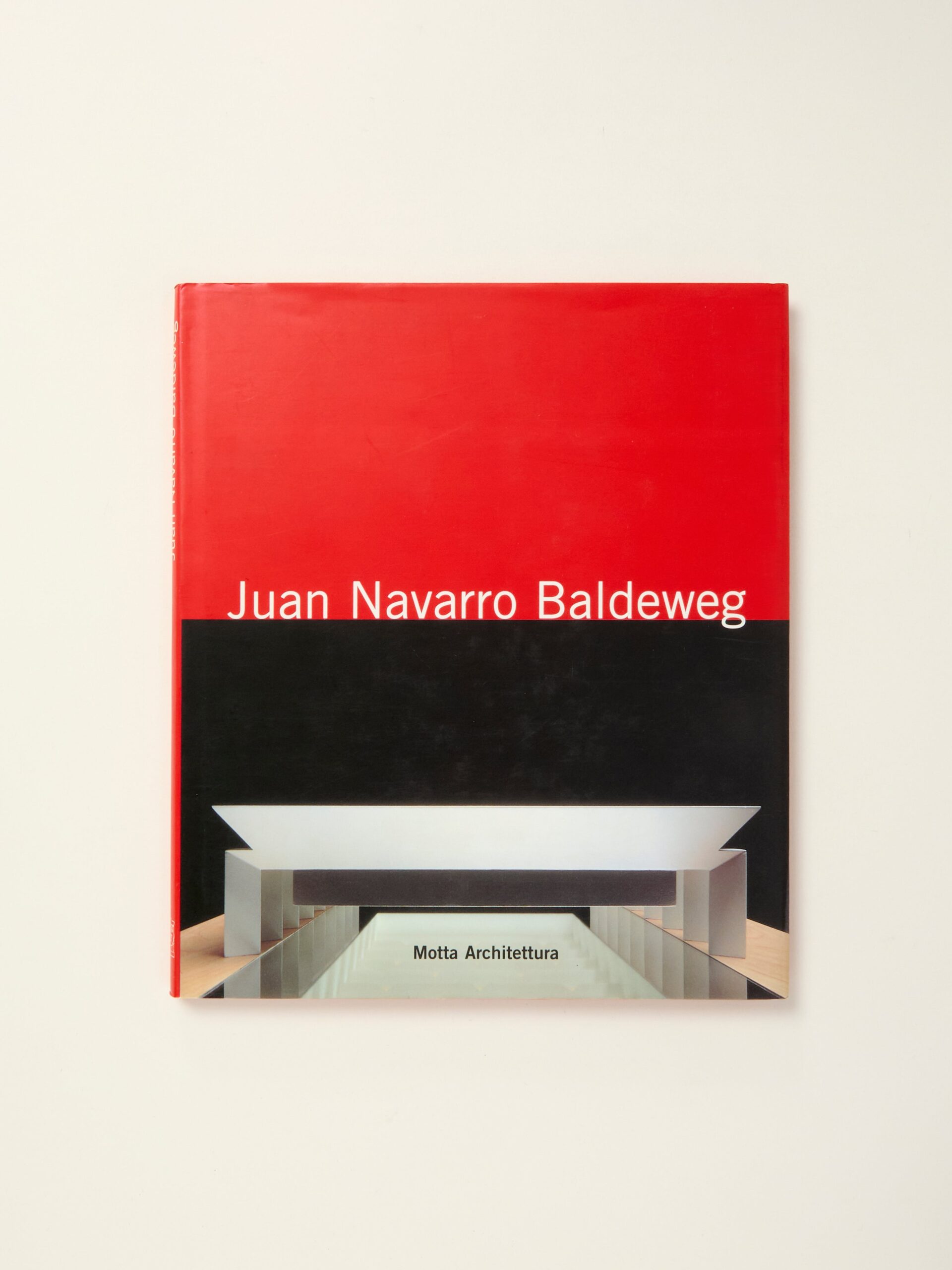
Juan Navarro Baldeweg: Il Ritorno della Luce
by Juan Navarro Baldeweg
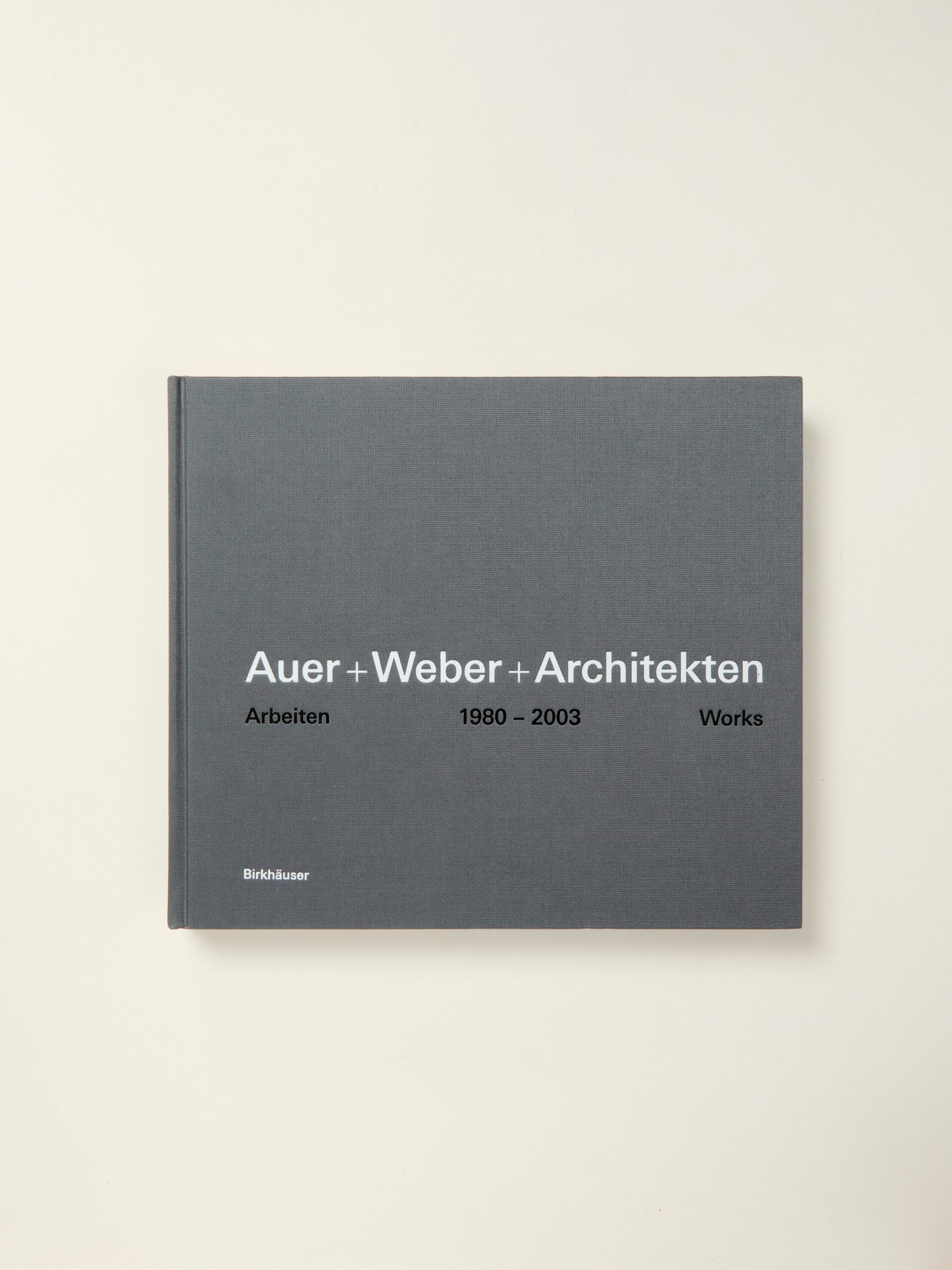
Auer + Weber + Architekten: Arbeiten 1980-2003 Works
by architects Fritz Auer and Carlo Weber
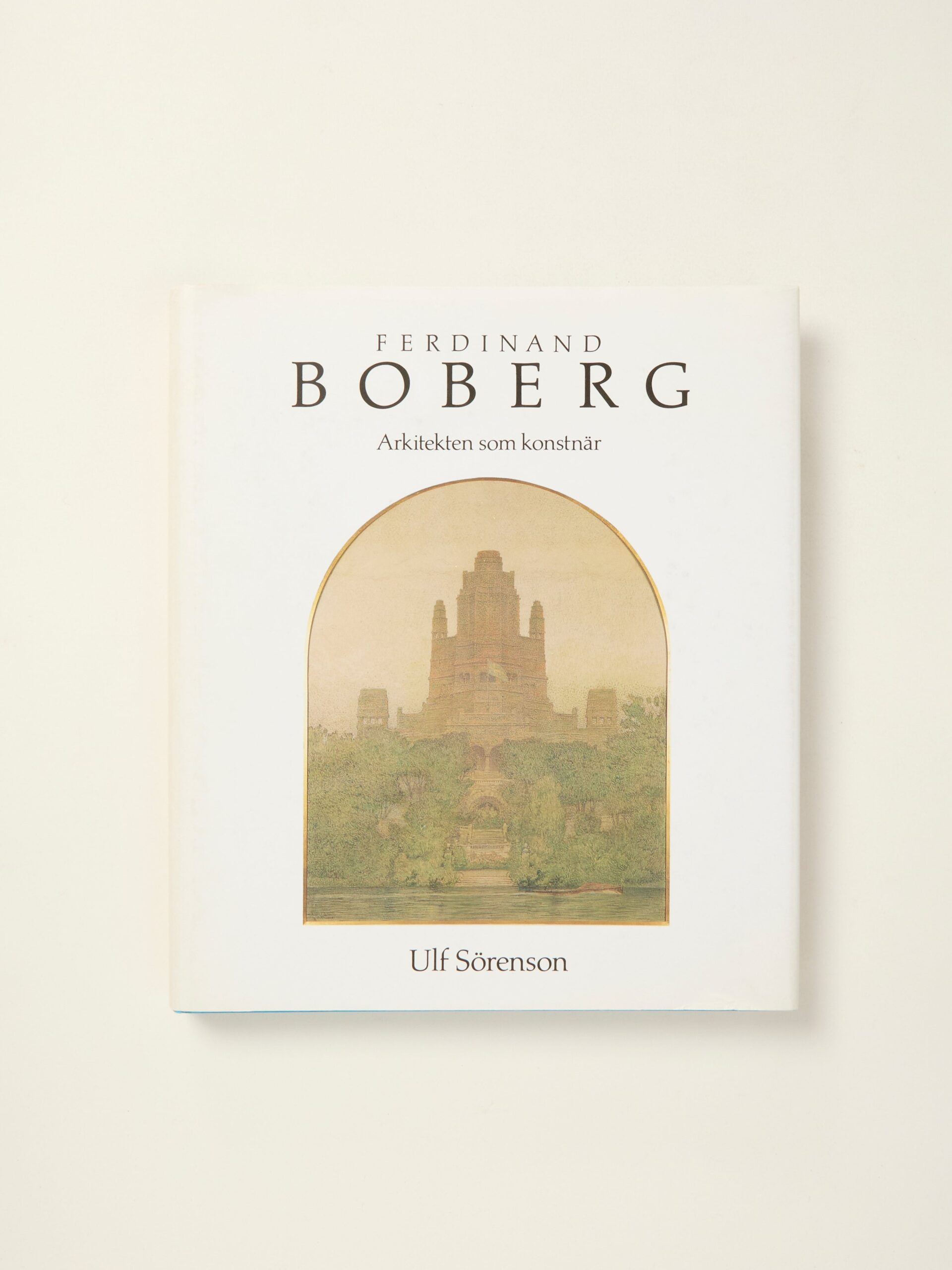
Ferdinand Boberg: Arkitekten som Konstnar
by Ferdinand Boberg
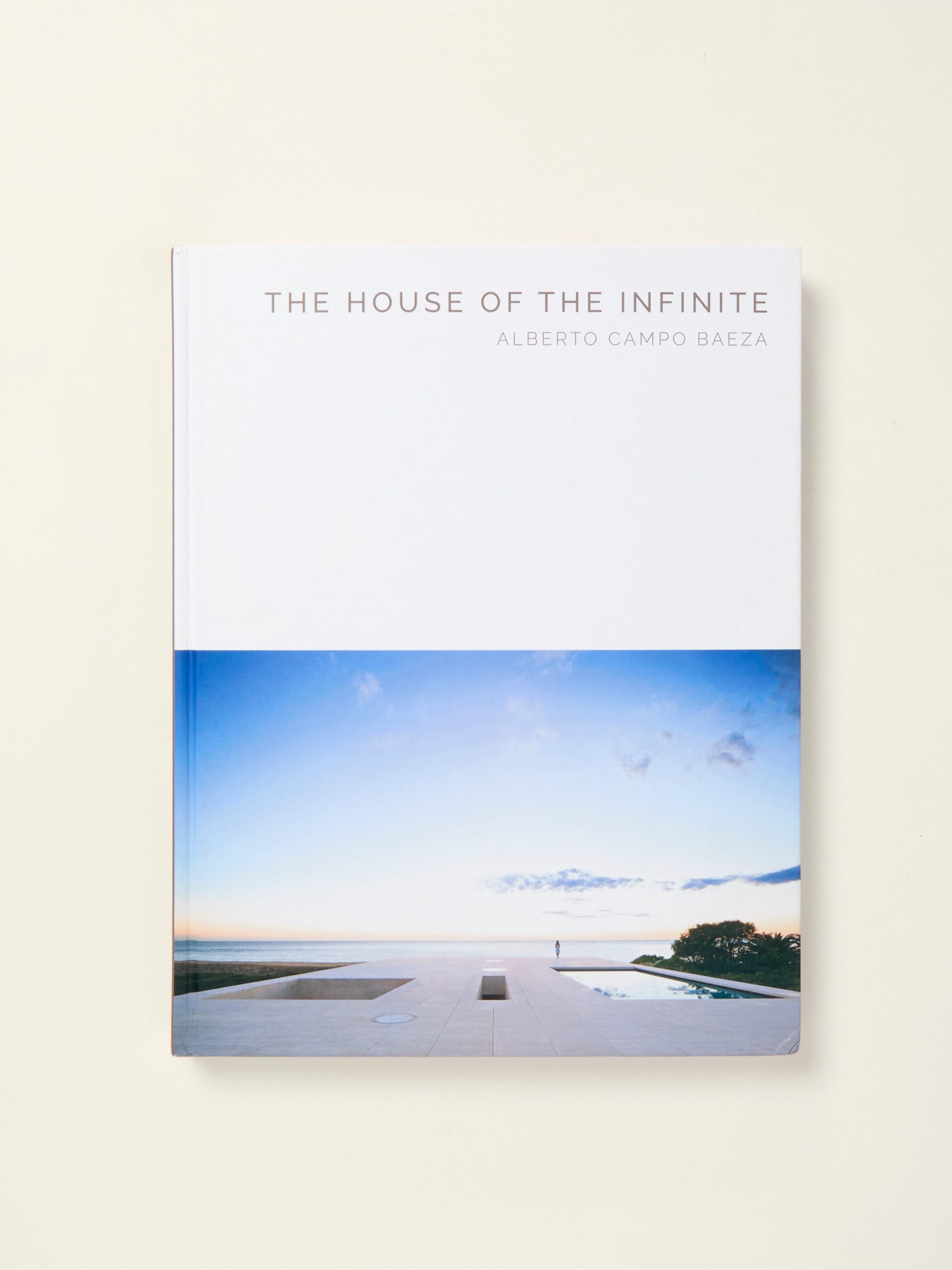
The House of the Infinite: Alberto Campo Baeza (Masterpiece Series)
by Marc Dubois
Johann Wilhelm Baur (1607-1642): Ein Wegbereiter der barocken Kunst in Deutschland
by Johann Wilhelm Baur (1607-1642)
Will Alsop Book. I: 1968-1990
by the author of ‘City Transformed
Alsop & Stormer: Selected and Current Works
by Alsop & Stormer
Arup Associates: Selected and Current Works
by Arup Associates
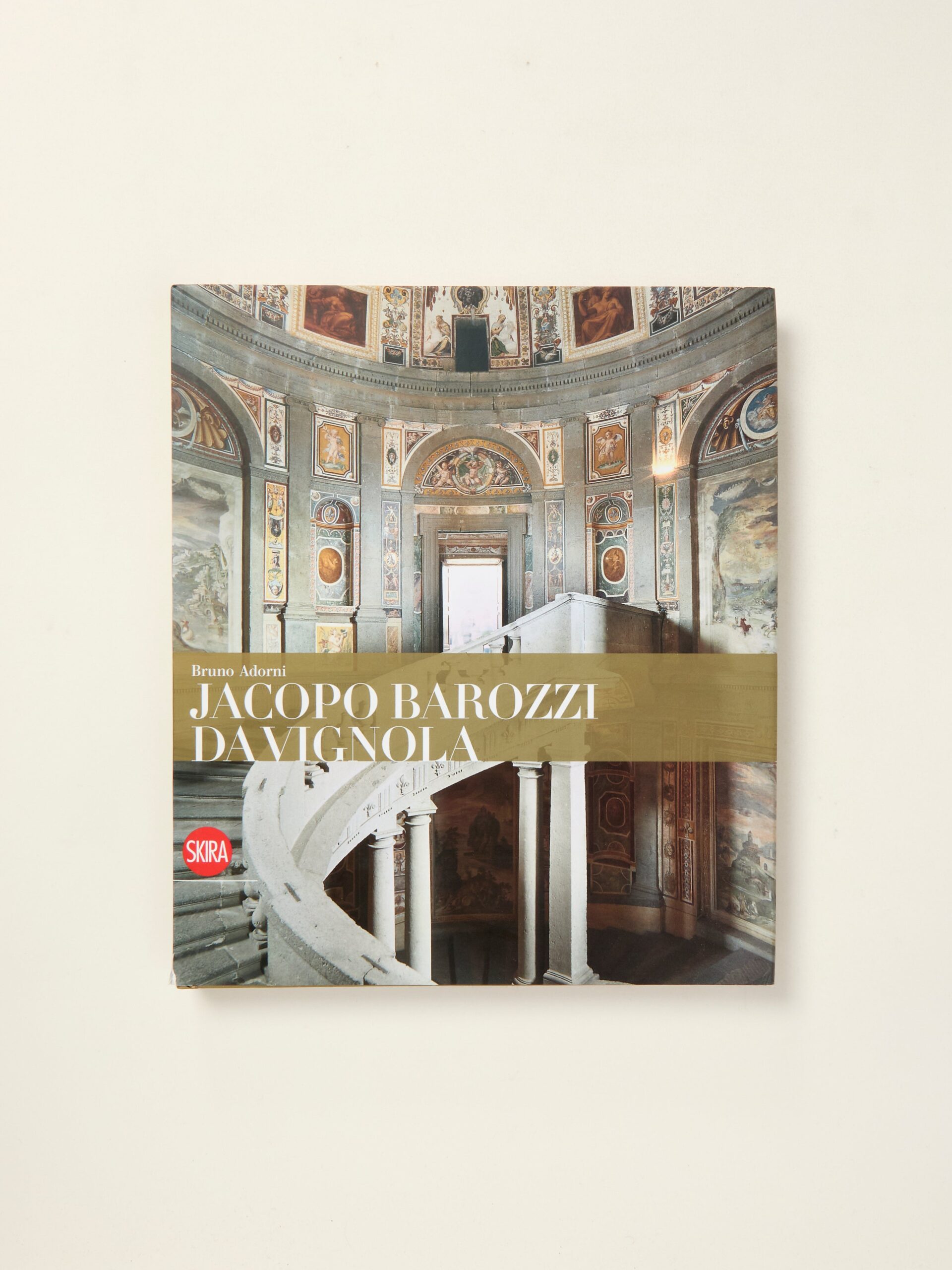
Jacopo Barozzi da Vignola
by Jacopo Barozzi da
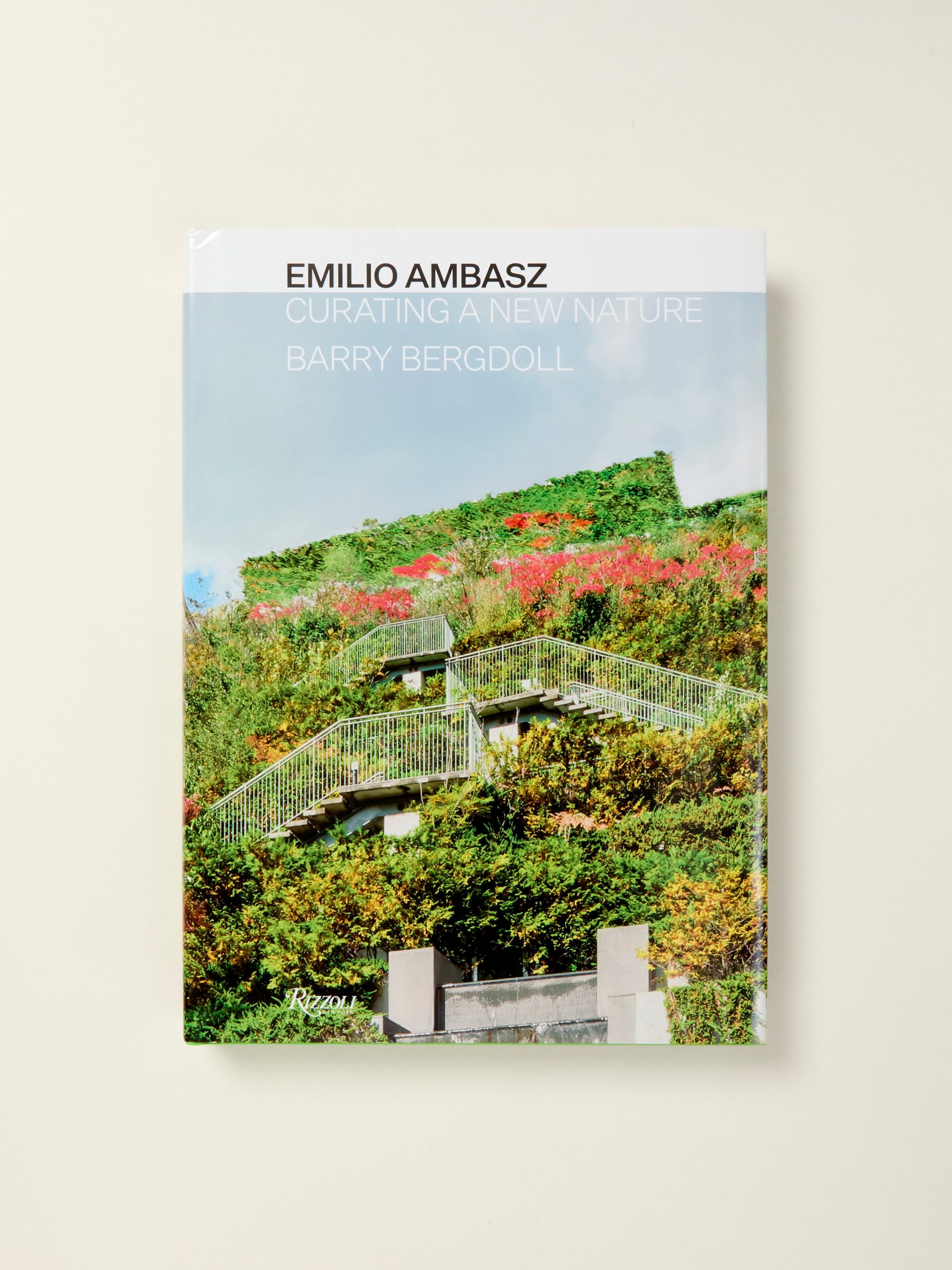
Emilio Ambasz: Curating a New Nature
by notes in the introduction
Busse & Geitner: Bauten und Projekte/Buildings and Projects
by Busse & Geitner
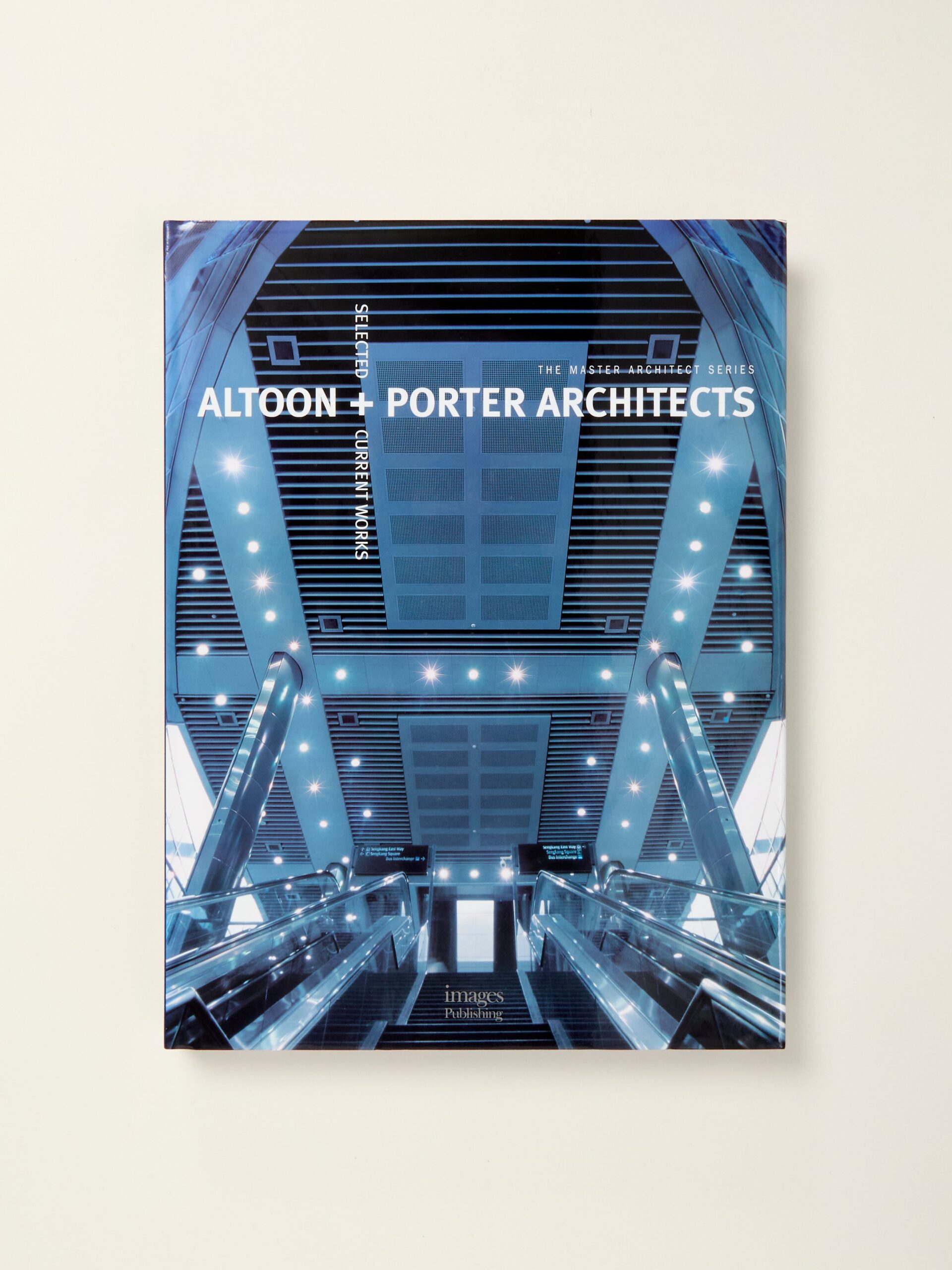
Altoon + Porter Architects: Selected + Current Works
by Altoon + Porter Architects
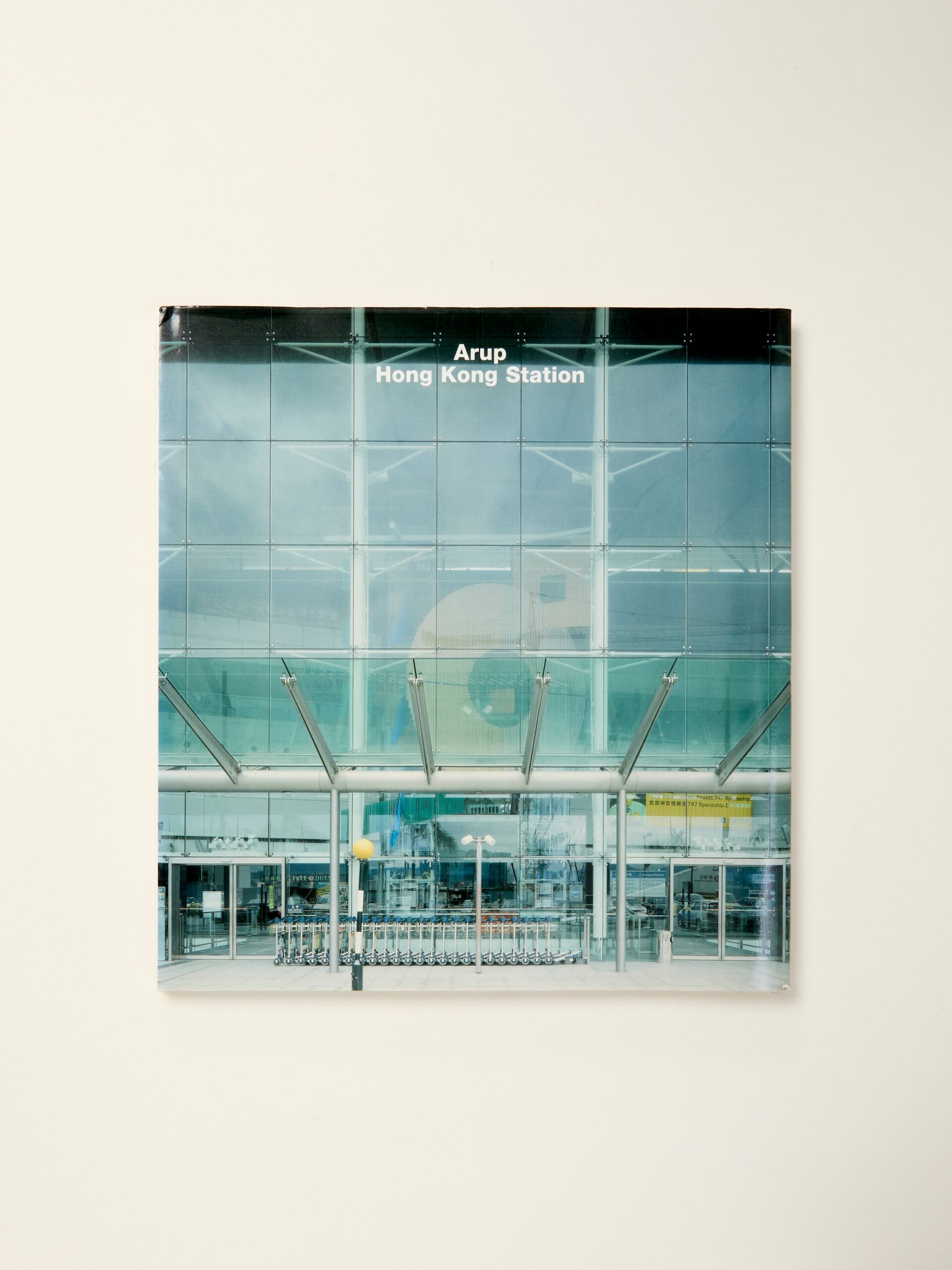
Opus 39: Arup, Hong Kong Station
by Christian Richters
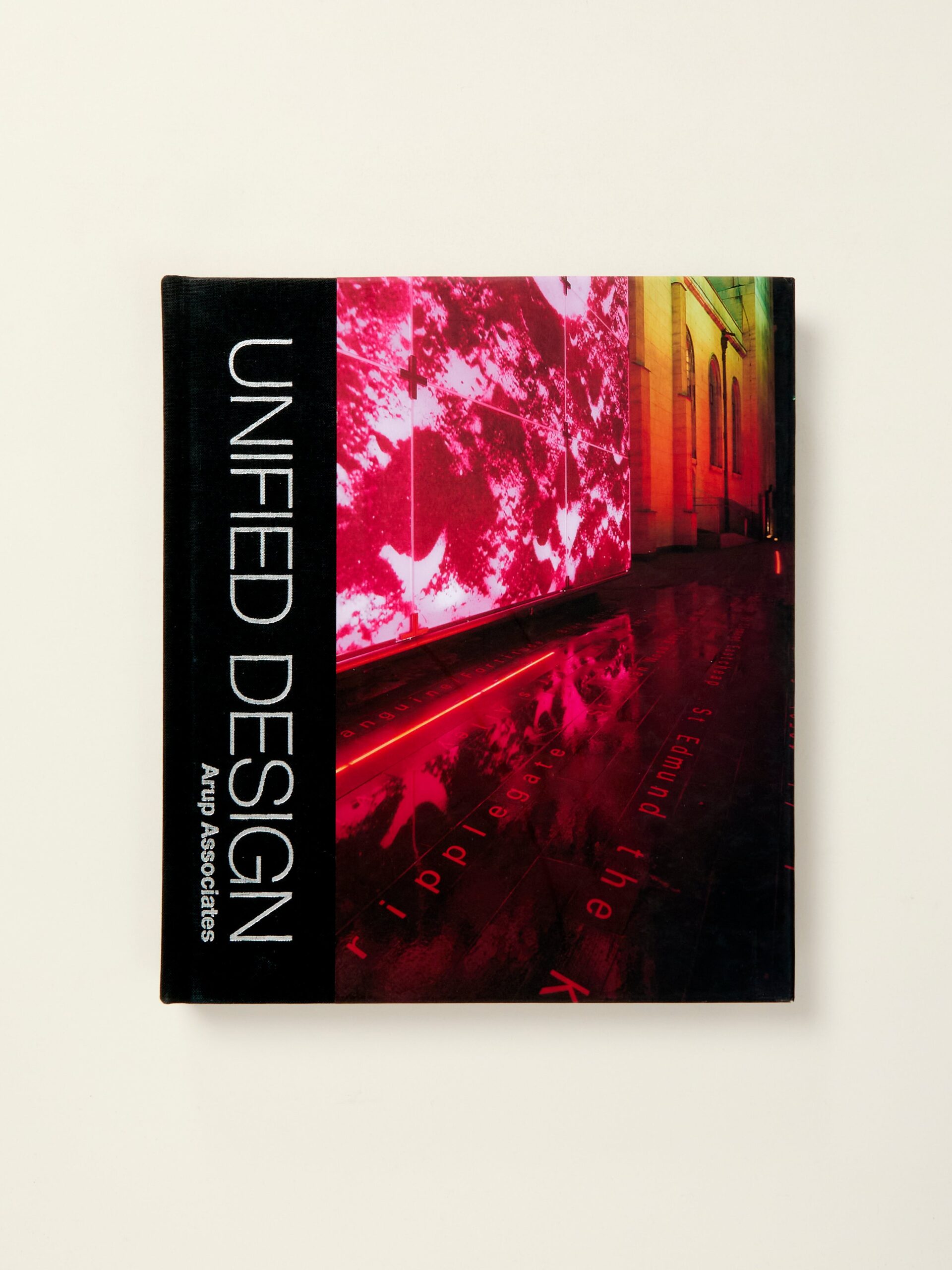
Unified Design: Arup Associates
by current and future projects of the practice
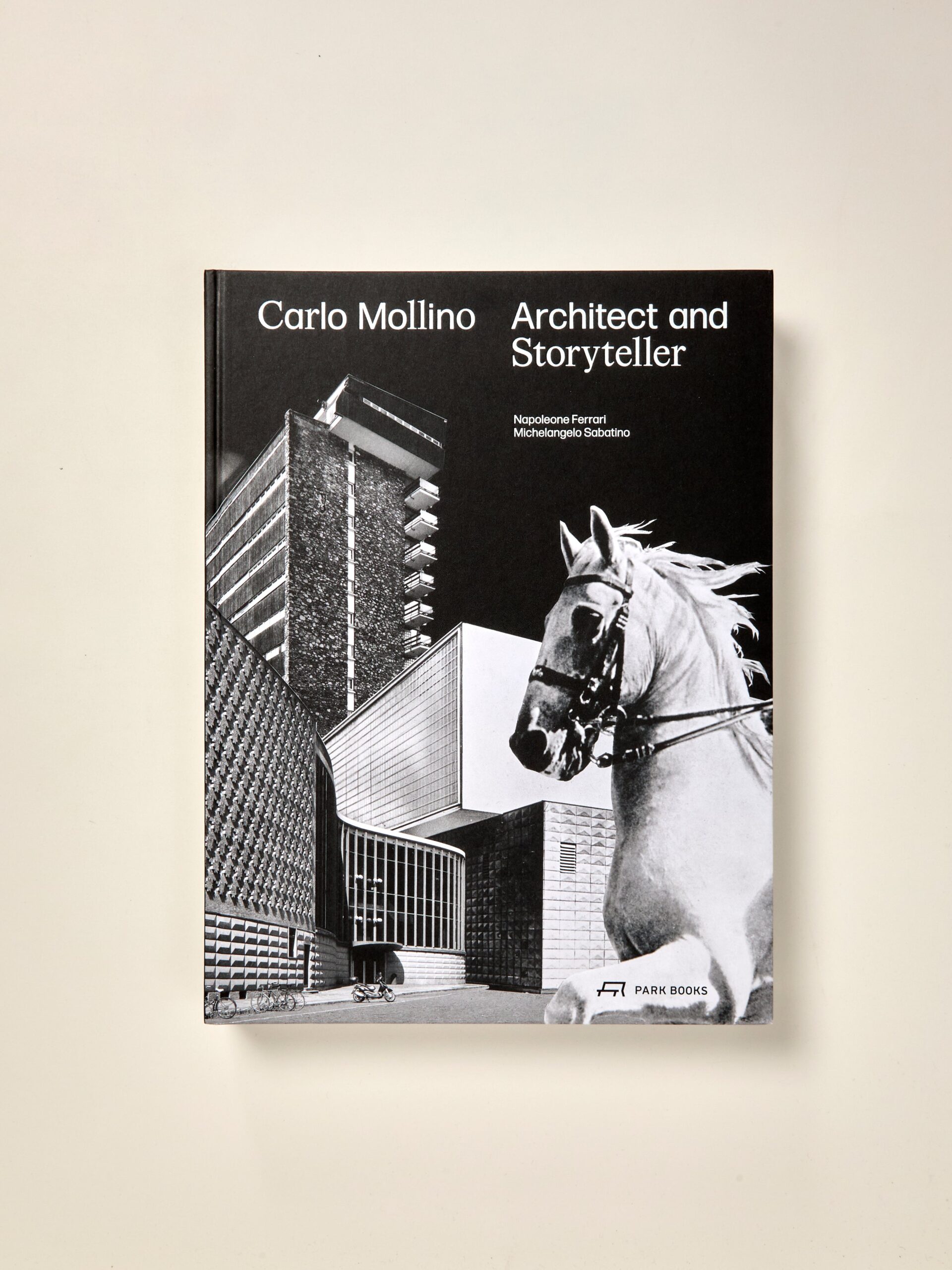
Carlo Mollino: Architect and Storyteller
by Ferrari and Sabatino round out this overdue tribute to an extraordinary personality of twentieth-century architecture
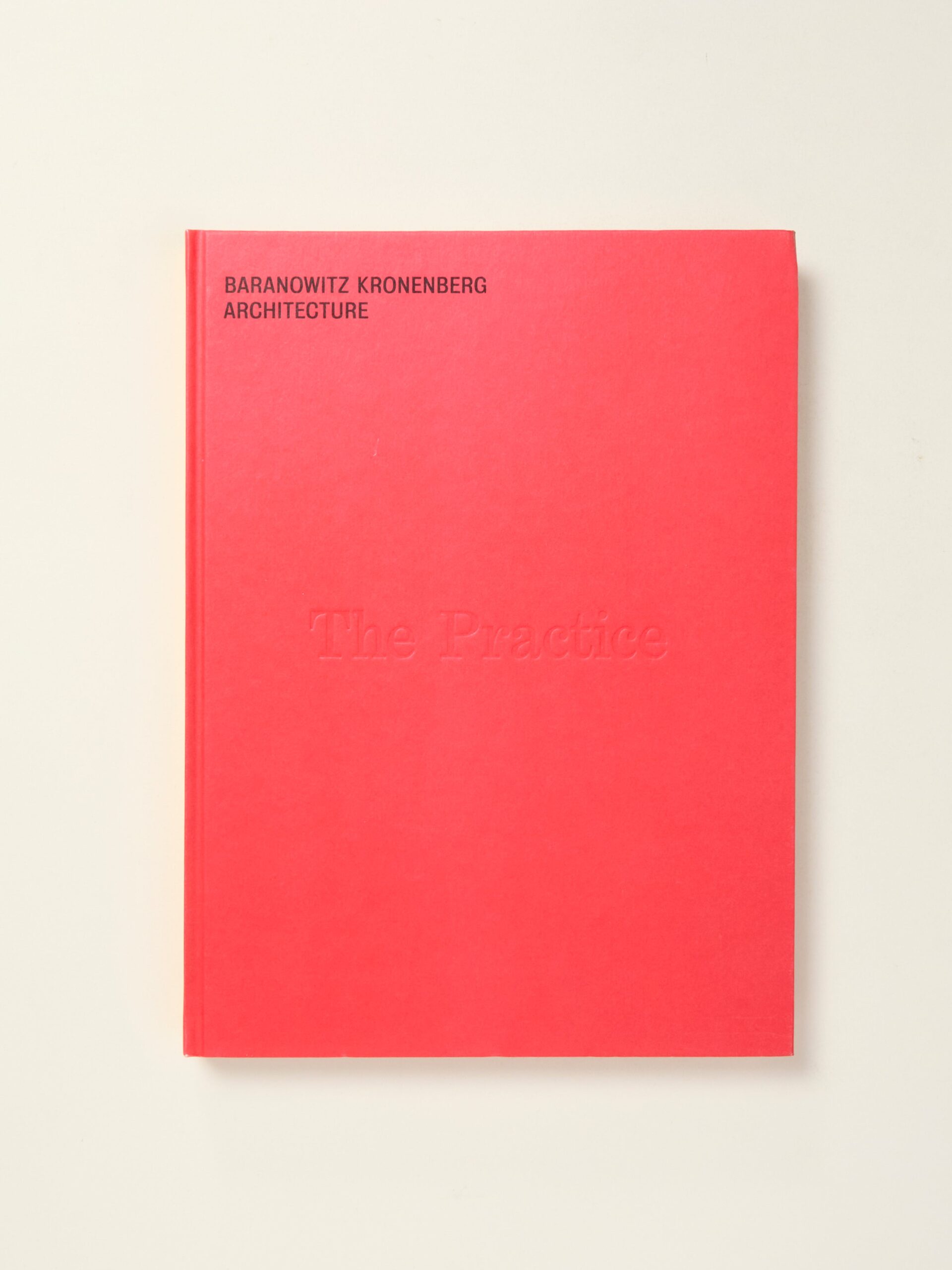
Baranowitz Kronenberg Architecture: The Practice
by Tel Aviv-based architects Irene Kronenberg and Alon Baranowitz
Donald Judd: Artworks 1970–1994
by Donald Judd
E.G. Asplund: Architect, Friend and Colleague
by Christina Engfors
Ove Arup: Masterbuilder of the Twentieth Century
by Ove Arup
Typobiography: Jost Hochuli, The Work of 60 Years
by Hochuli himself
B-Architecten: X
B-Architecten: X
by several incisive essays
Eduardo Arroyo: Recent Work
by Eduardo Arroyo
Kashef Chowdhury: The Friendship Centre – Gaibandha, Bangladesh
by Dhaka-based architect Kashef Chowdhury
Stadttheater/Urban Theatre: Manifesto for a Style-free Architecture
by Klaus Theo Brenner
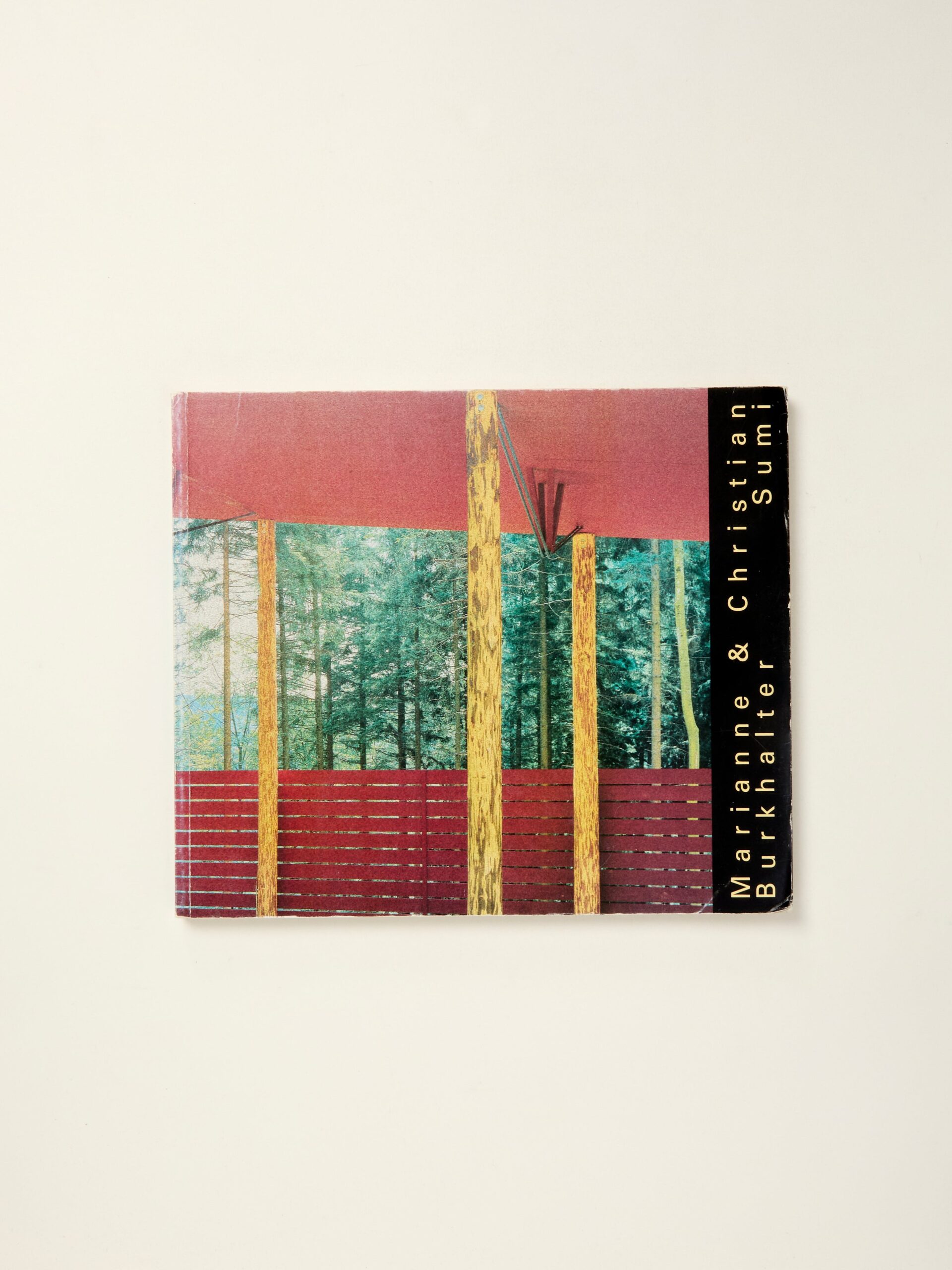
Marianne Burkhalter & Christian Sumi: Die Holzbauten (German Edition)
by Marianne Burkhalter & Christian Sumi
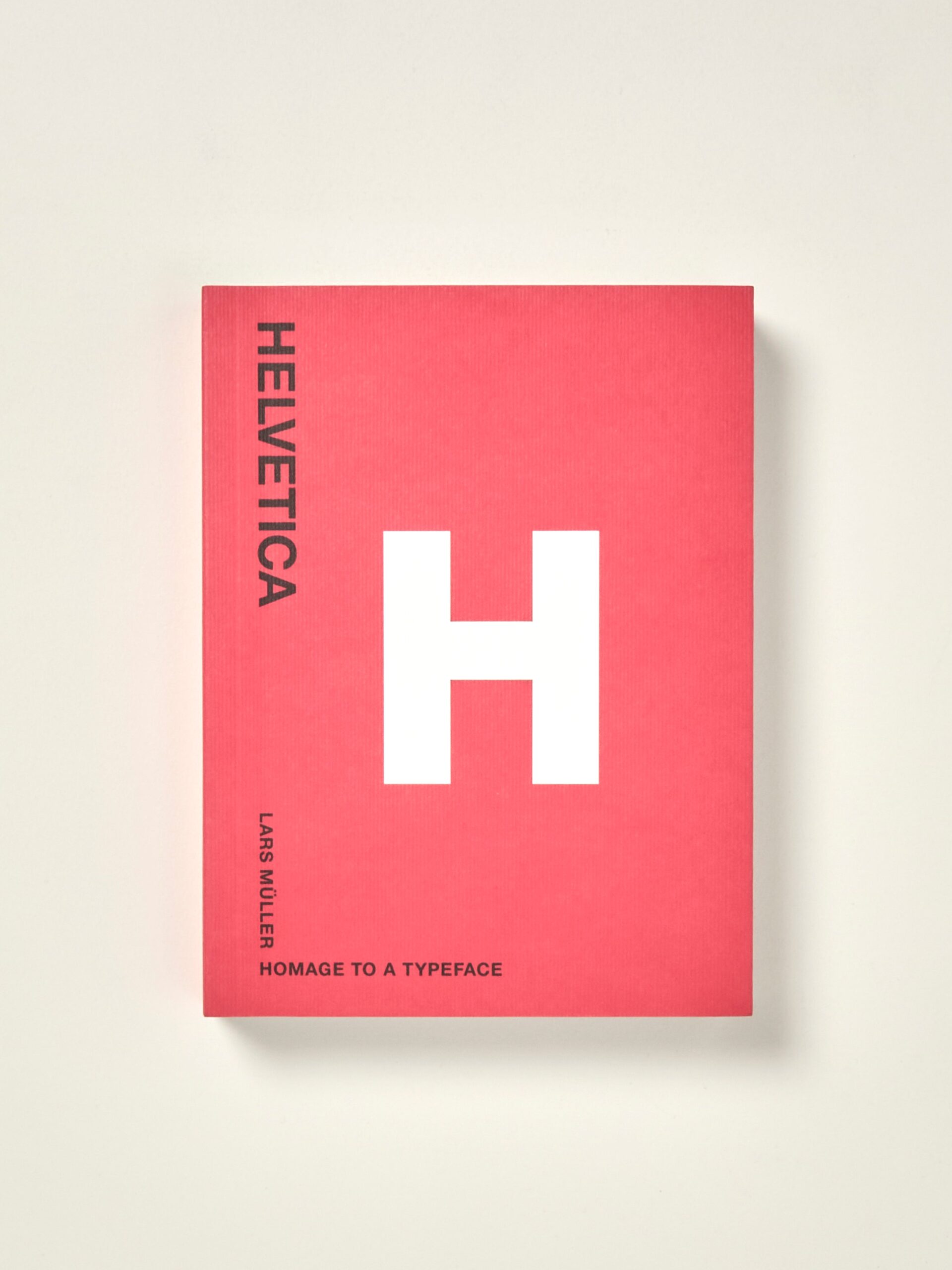
Helvetica: Homage to a Typeface
by renowned designers are juxtaposed with an anonymous collection of ugly
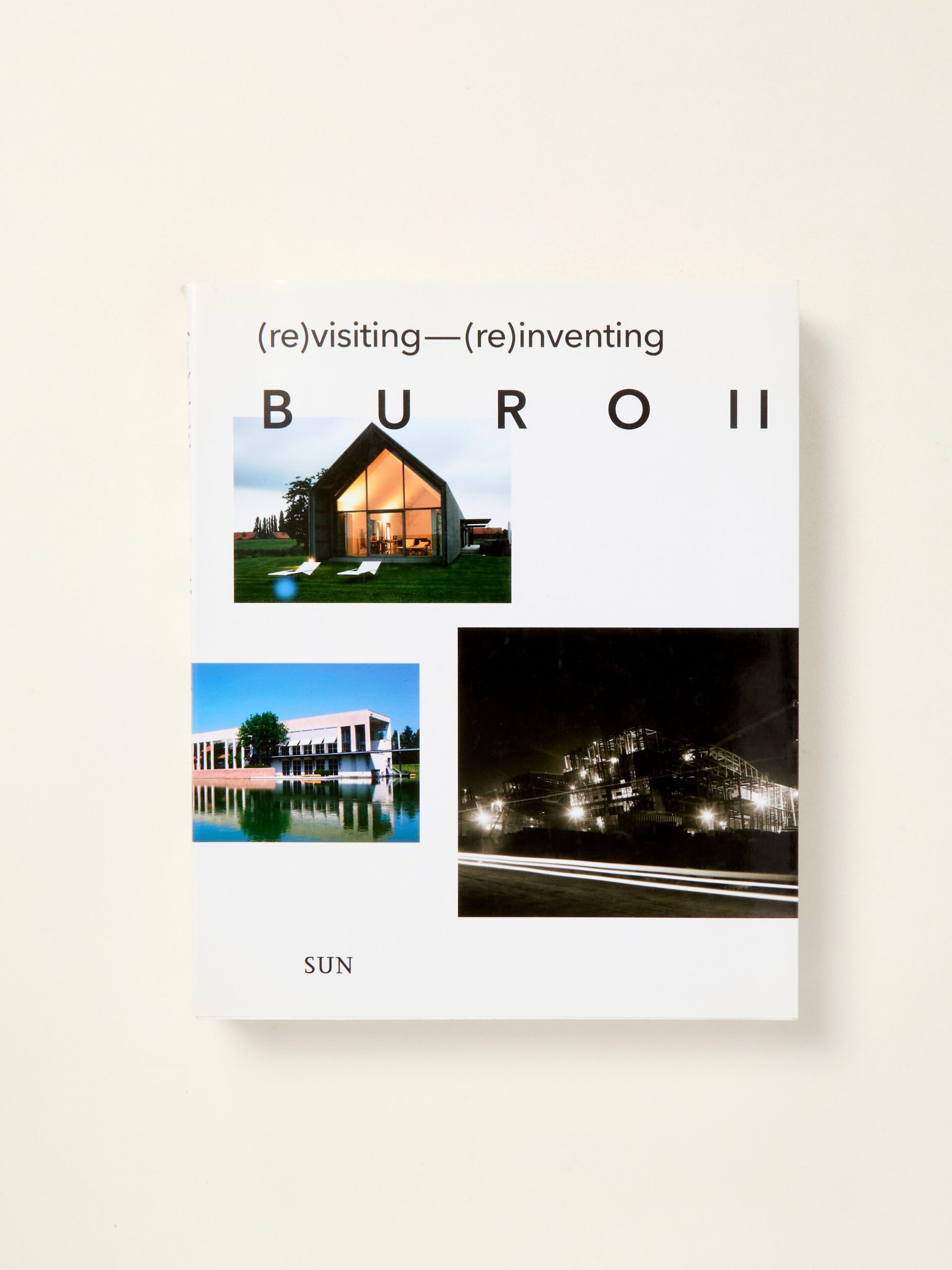
Re-visiting Re-inventing Buro II
by Re-visiting Re-inventing Buro
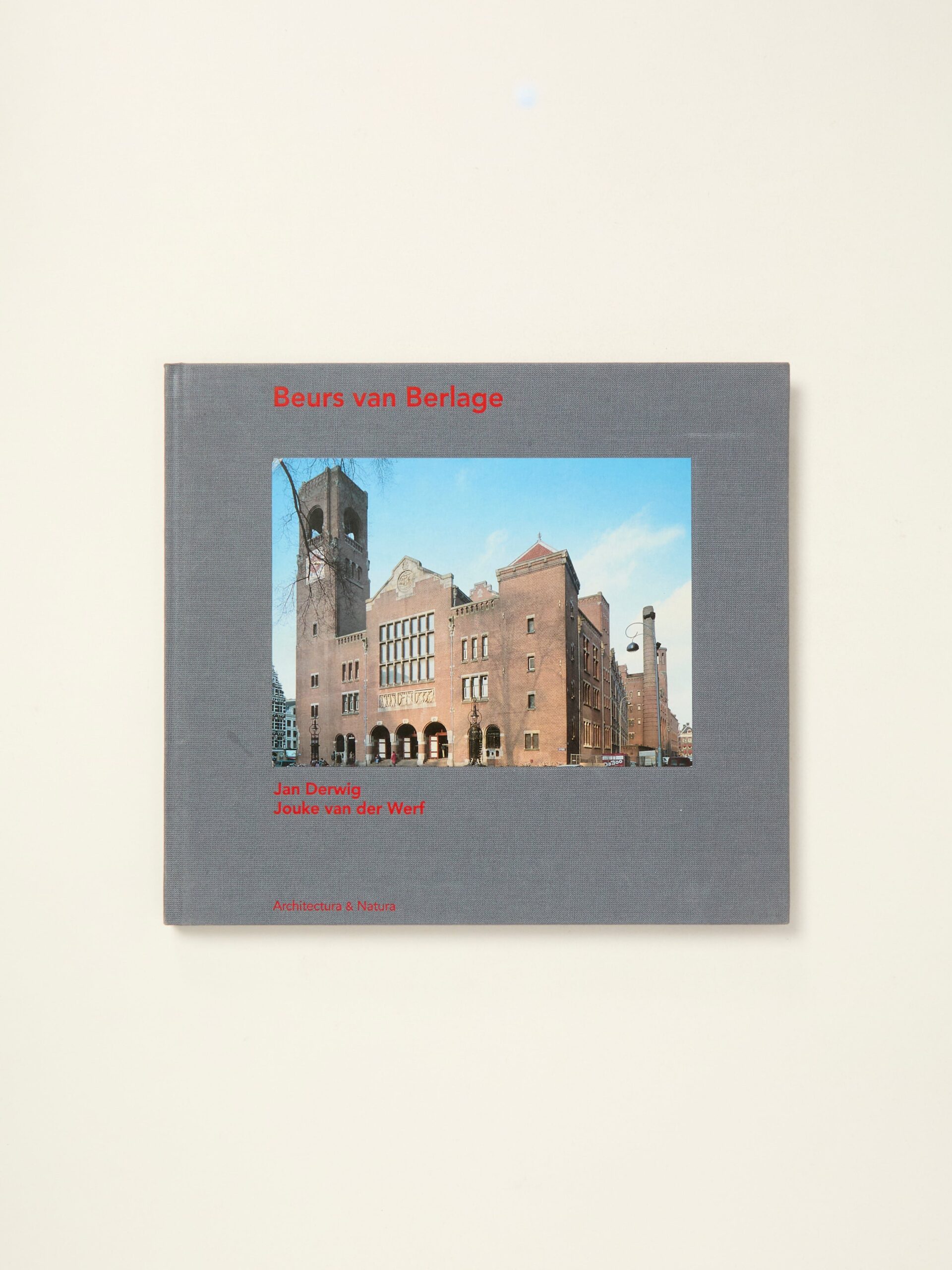
Beurs van Berlage
Beurs van Berlage
by room photo spread of the elaborate polychrome interiors
Emilio Ambasz: Casa de Retiro Espiritual
by Emilio Ambasz
Emilio Ambasz: Una Arcadia Tecnologica
by Paolo Portoghesi

Market

Community Notes