This website uses cookies.
Ronan Bouroullec: Bas-Reliefs cover

Ronan Bouroullec: Bas-Reliefs

by

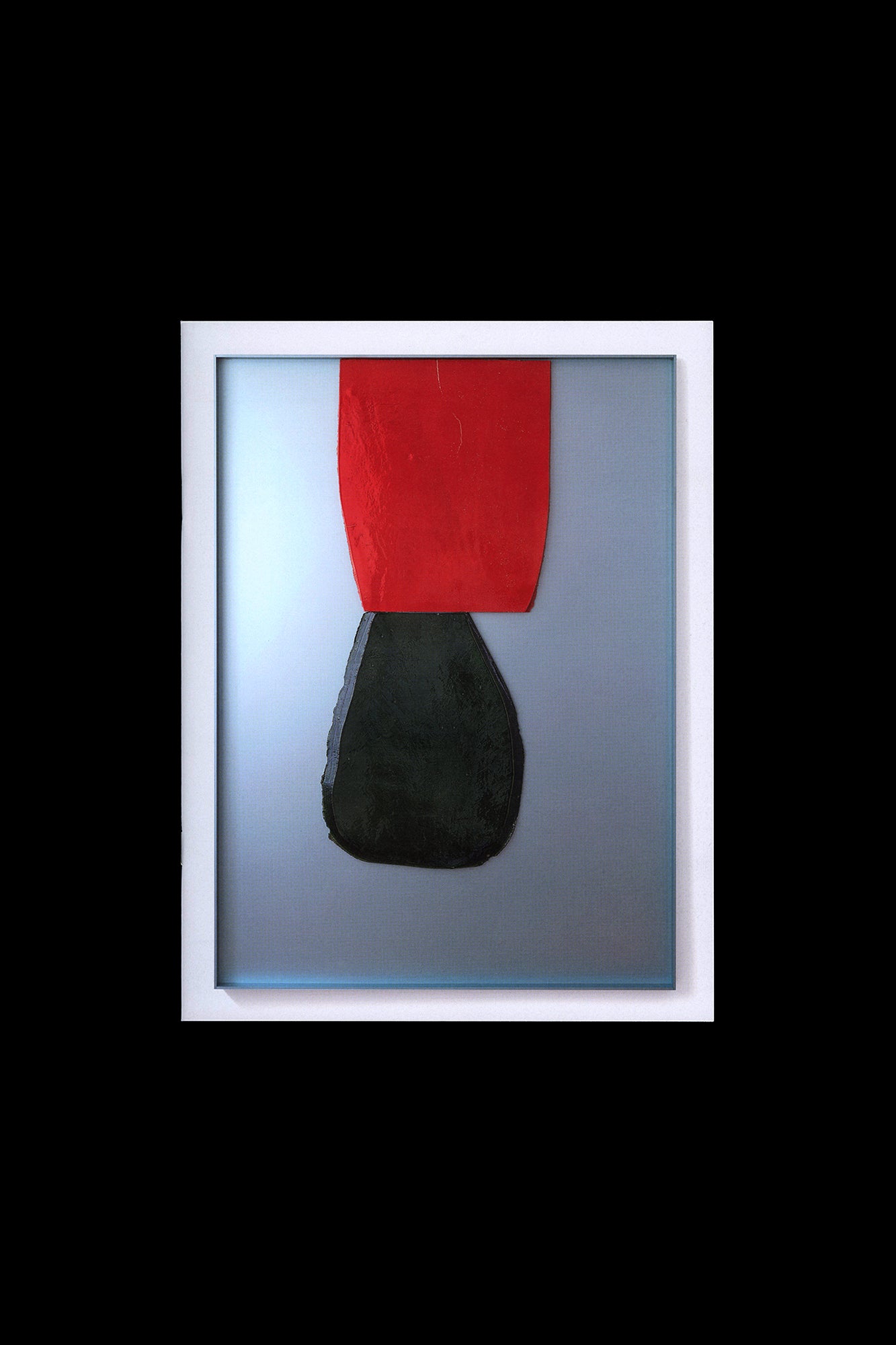
We could look at Ronan Bouroullec’s ceramic bas-reliefs and see traces of a language we recognize: the silhouettes of familiar objects, the contours of known landscapes. We might be tempted to look at the work as an alphabet of mere things, think of the pieces “objectively.” But as tableaux, the reliefs are not quite right: one has an edge that goes too far, another a circle that’s off-center and about to roll, and still another, a pinkish mass that could topple over. Bouroullec’s work is most rewarding if we listen as it asks for a new language altogether. Languages have always been born from clay (one thinks of cuneiform seals); it’s easy to believe that Bouroullec is developing his own. At the very least, these pieces – somewhere at the intersection between painting, sculpture, and design – demand new verbs, words like “bevel” and “disintegrate.” (And it’s possible, the works say, that there is nothing so lovely as a beveled edge: the way they taper is like a caress. The way they dissolve onto a background feels digital and also deeply analogue. These effects are both visual and tactile, as in: we see them and we want to touch them.) The compositions can speak because they are alive, masses of ceramic breathing in a metal atmosphere, on a planet that is strange but inviting. Like other languages, Bouroullec’s seems to have a grammar. Forms repeat and the palette is consistent, like a dialect. Where there are slight variations, the works prove the rule. Some compositions get repeated and flipped upside down. Bouroullec’s process is also inherently syntactical: while the finished works have the appearance of precise composition, they’re arranged ex post facto from separately formed elements. Bouroullec assembles the reliefs only after the individual elements are fired; some inevitably break in the kiln. Like sentences, Bouroullec’s compositions are sequences of fixed parts. Like poetry, they’re subject to randomness. In a photo from Bouroullec’s studio, he leans over a makeshift table on which he’s rolled out a thick slab of clay. It’s dark; he’s holding a kitchen knife – later it will be caked with residue from the material he’s using it to carve. To his left is a pile of thin scraps that have been trimmed from the larger whole; the ceramic retains a feeling of paperiness in the finished works. This has something to do with figure and ground, the glazed ceramic forms (marked with cracks, bubbles, and the traces of tools) buoyed by contrast with the flatness and sharpness of the synthetic surface on which they’ve been arranged. The sense of découpage – careful composition with paper cutouts – goes deeper than the formal similarity with Bouroullec’s earlier drawings and design. 24 Pages 19.5 x 25.5 cm Color Offset First Edition 2022 ISBN 978-3-907179-44-4
Publisher
Nieves
ISBN-13
9783907179444
Subjects
Booksartart bookartbookartbooksartist bookartist booksArtistbooksartworkMagazine

  • Have:1
  • Want:
  • Avg Rating:
  • Ratings:

Who has this book

1 Connection

Recommendations

Iskadariyah Skan
Iskadariyah Skan
by the artist-run Alexandria Contemporary Arts Forum (ACAF)
Georgia Gardner Gray
by her gender
How to Cut an Orange
by Perimeter Editions to great acclaim in 2015 – has often described a life surrounded by books and reading
Josef Albers in Mexico
by Josef Albers in
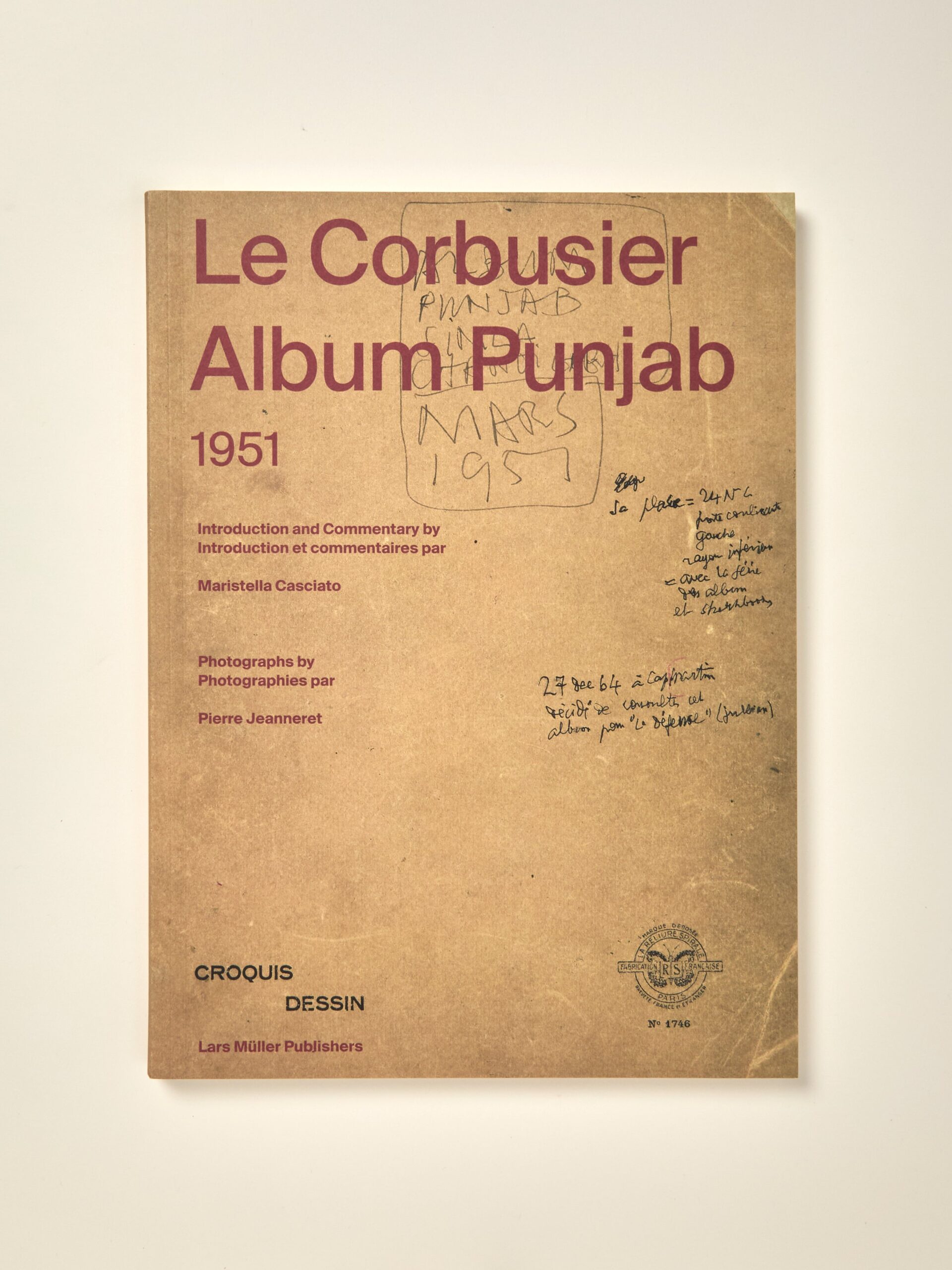
Le Corbusier: Album Punjab, 1951
by Le Corbusier (1887–1965) from his two-week stay in the area that would become Chandigarh
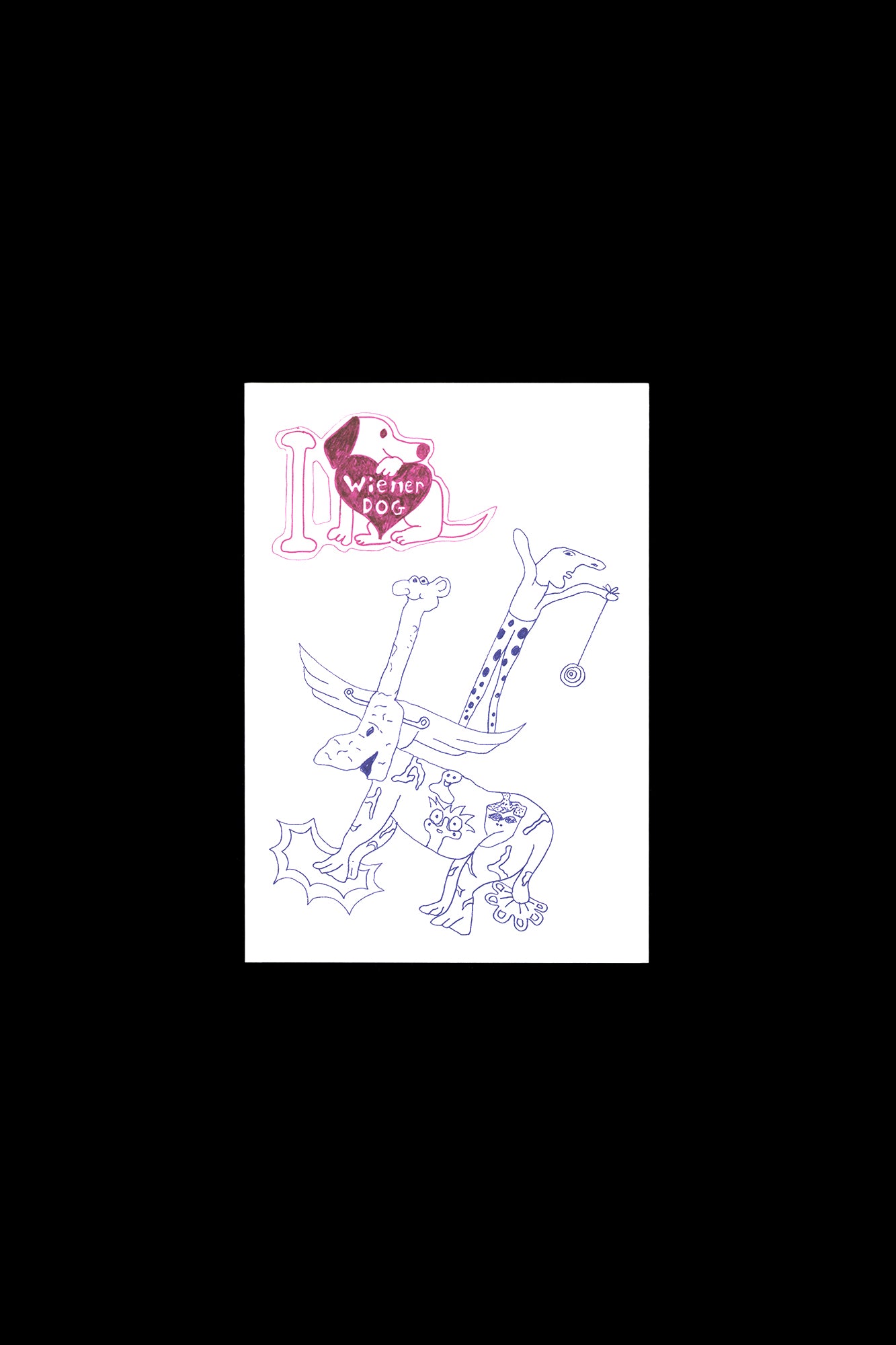
I Love Wiener Dog
I Love Wiener Dog
by a tangle of multicolored electrical wires
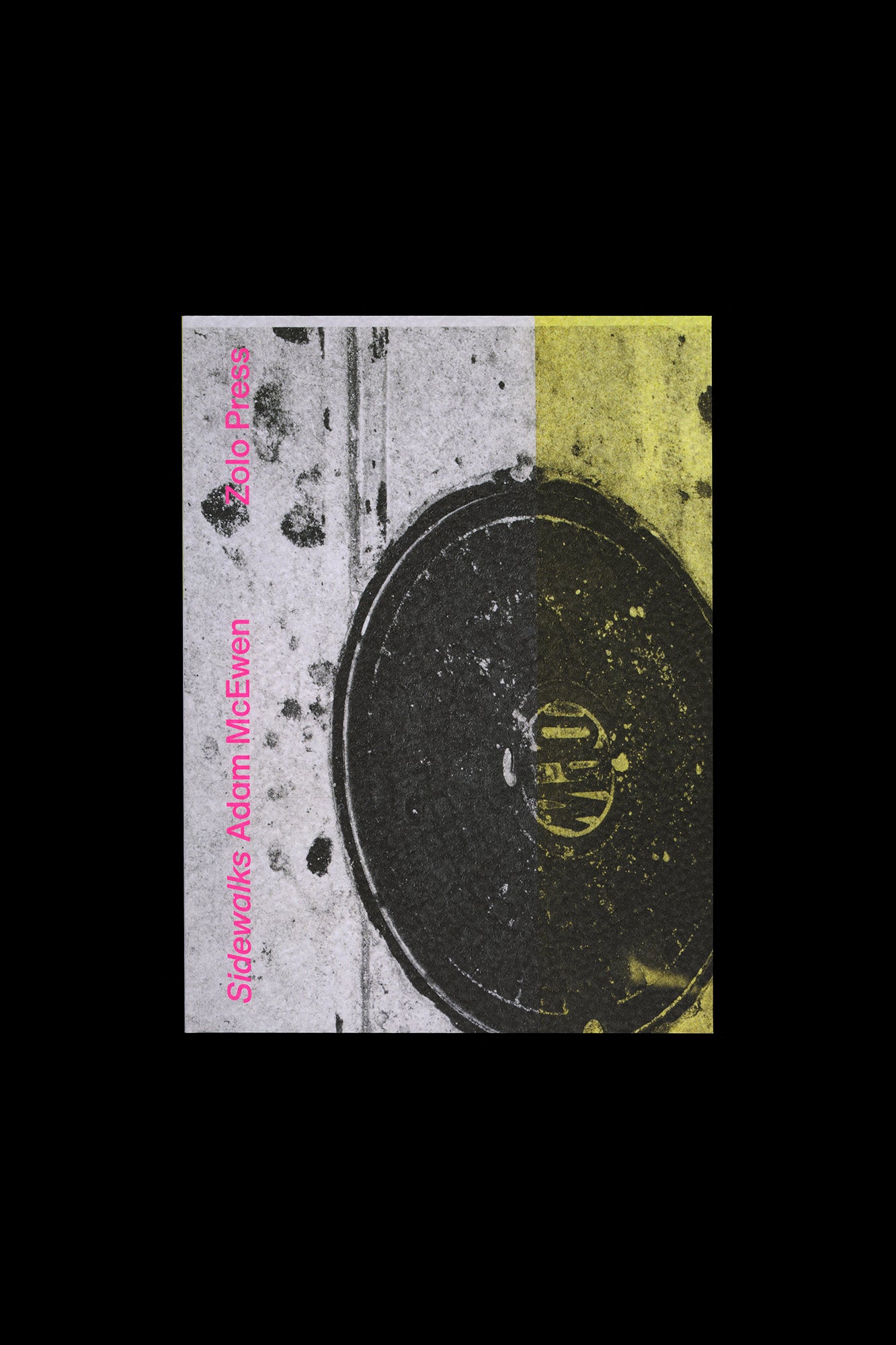
Adam Mcewen: Sidewalks
by Adam Mcewen
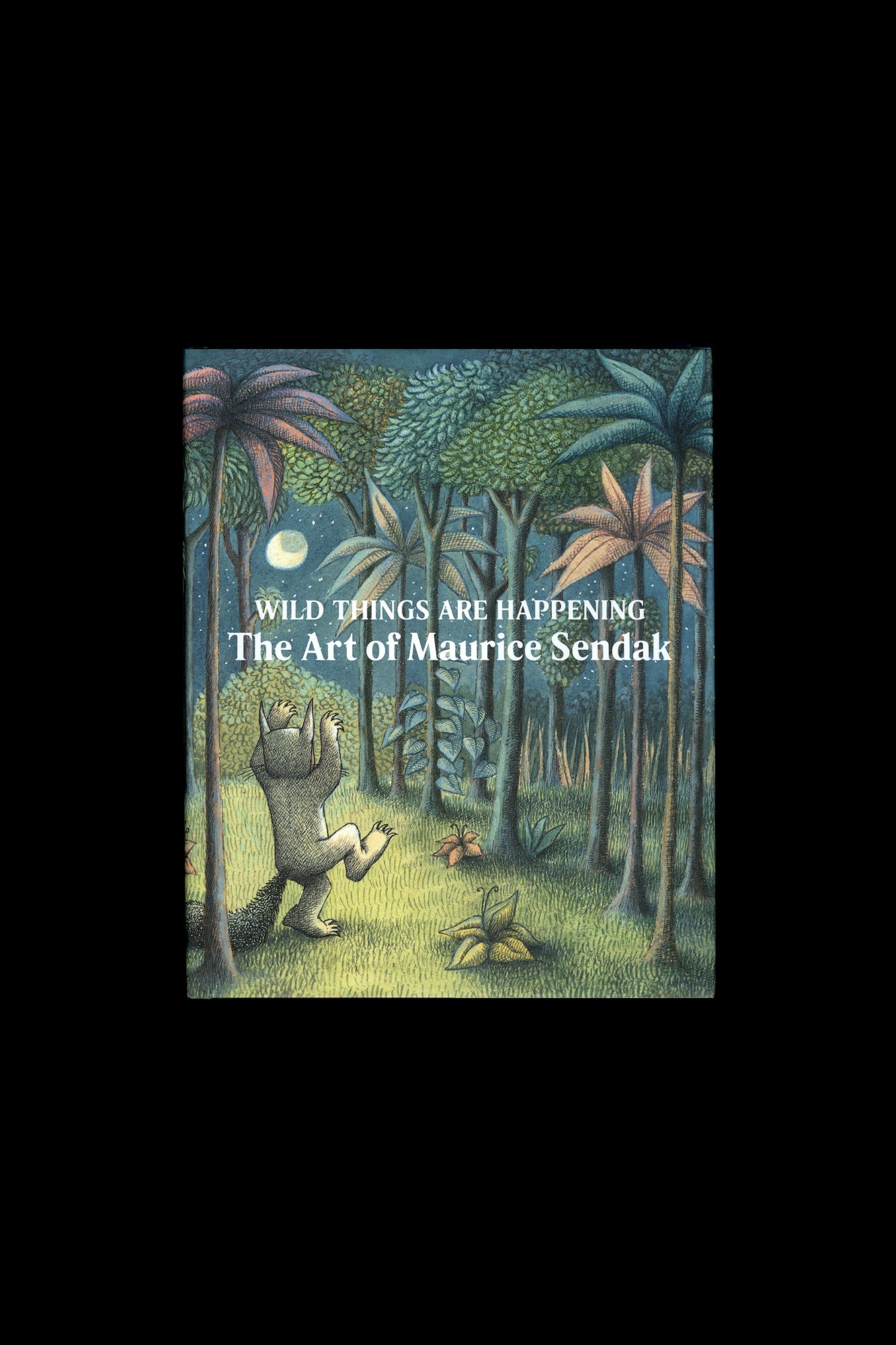
Wild Things Are Happening: The Art of Maurice Sendak
by the renowned art historian Thomas Crow that traces the genesis and cultural contexts of Sendak’s most famous book
Ingo Giezendanner: Crayons
by Ingo Giezendanner at innen in Zurich
Forget Me Not
Forget Me Not
by Ladina Bischof in the form of an atlas
Hand Smoothed by Coin
by Coin is a collection of works that combine and intertwine to form an accumulative portrait of objects moving between art
Hayao Miyazaki
Hayao Miyazaki
by Hayao Miyazaki
Jonas Wood: Drawings 2003-2023
by Douglas Fogle and a conversation between Laura Owens and the artist
Ed Ruscha / Now Then: A Retrospective
by an interdisciplinary group of contributors examine Ruscha’s work under a new light
Sven Lukin
Sven Lukin
by HISTORIAN FRANCES COLPITT
New York: 1962–1964
New York: 1962–1964
by the late great curator Germano Celant
Amanda Ross-Ho: Grand Gestures
by critic Catherine Taft examines Ross-Ho’s conceptual approach to archives
Michael Lin: Mariposa B1-09
by curator Kit Hammonds
Lisa Walker: Jewellery Drawings
by Lisa Walker is exactly that: a selection of drawings that later became Jewellery
Vice – Versa
Vice – Versa
by
Tetsuya Yamada: Listening
by Twin Cities–based artist Tetsuya Yamada (Japan
Ginny Casey & Jessi Reaves
by two artists exploring the relationship between painting and sculpture
All Paths Lead Home
All Paths Lead Home
by the New York Film Festival
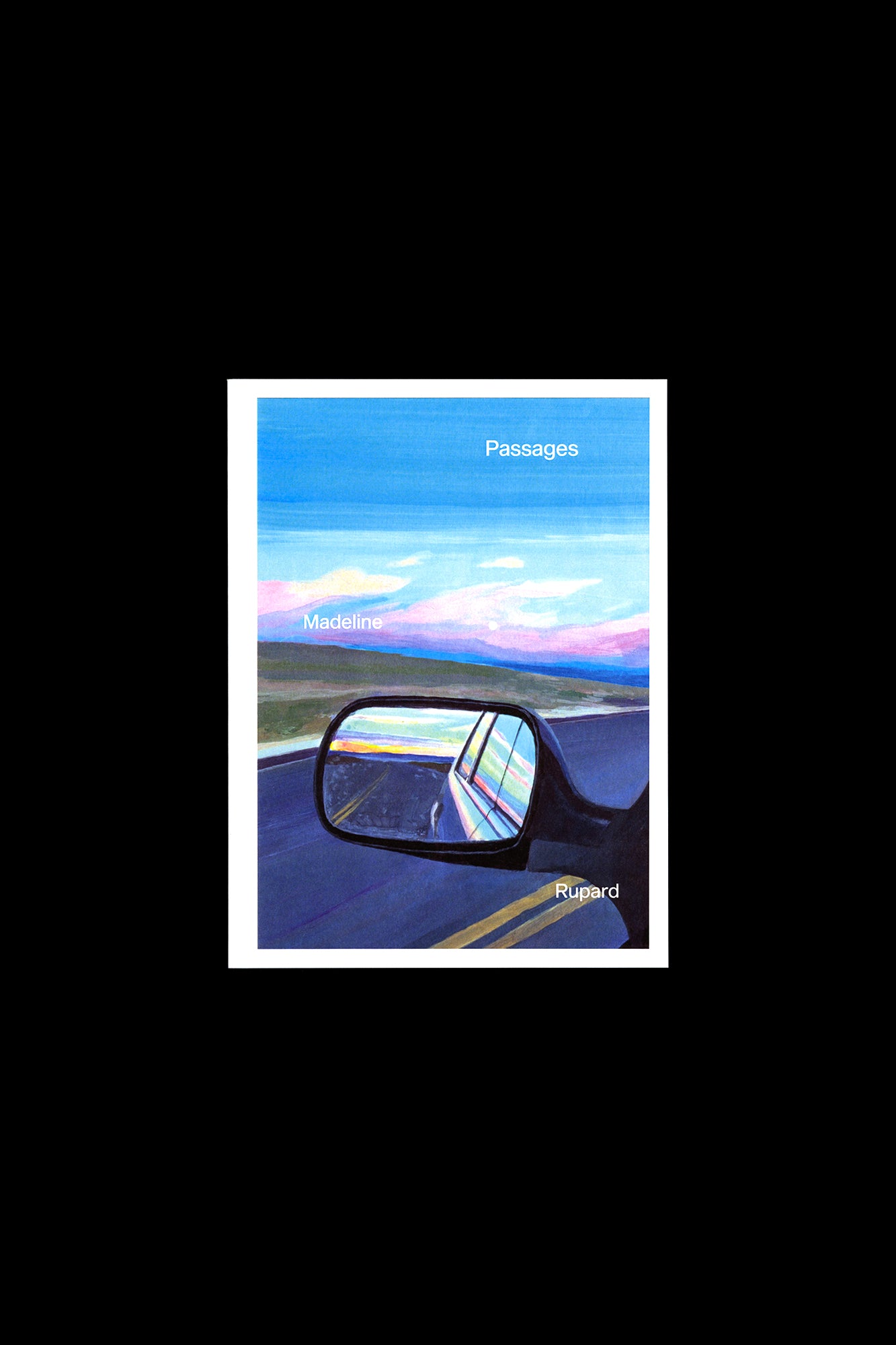
Madeline Rupard: Passages
by Madeline Rupard
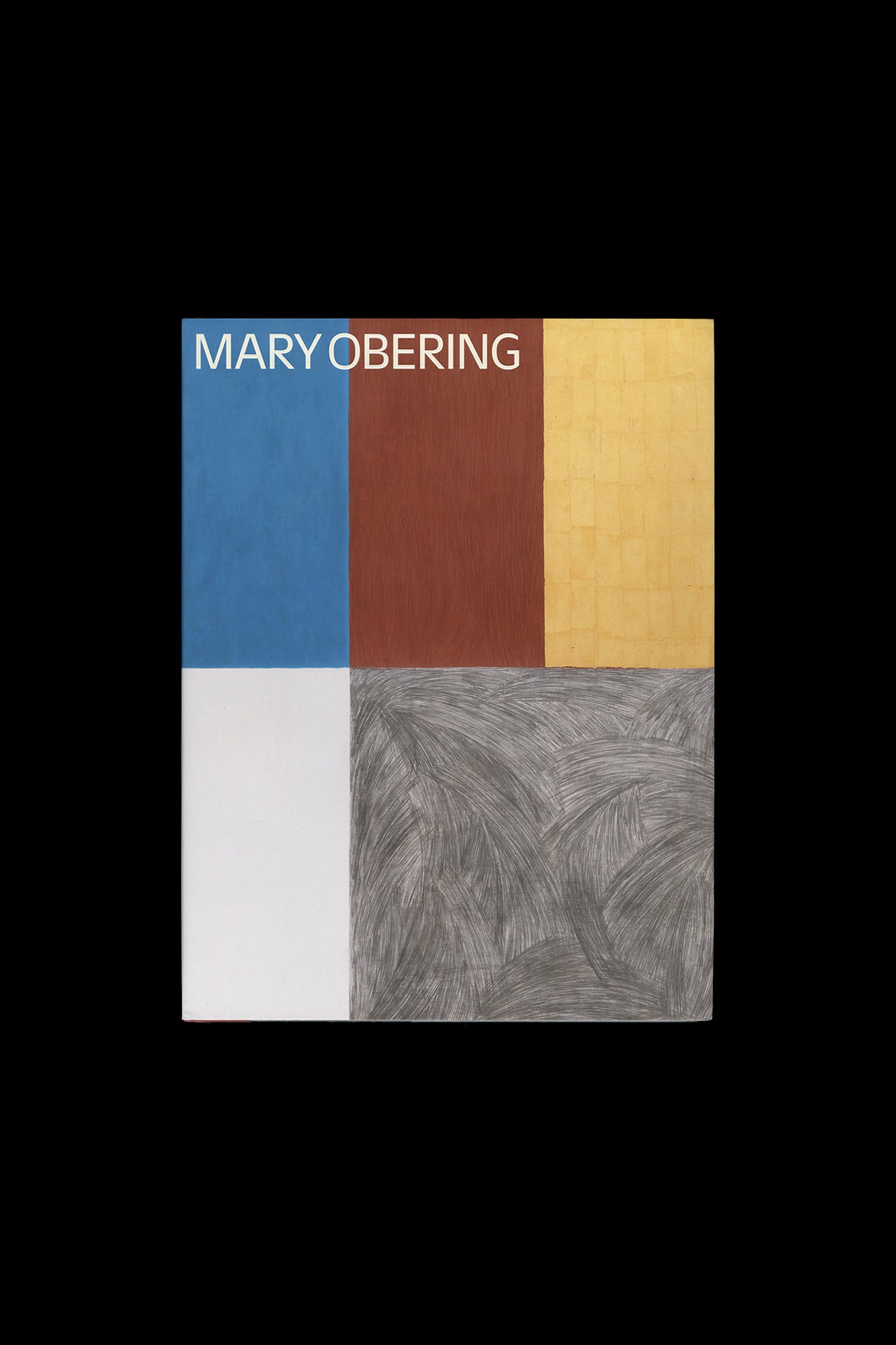
Mary Obering
Mary Obering
by Lynn Zelevansky and Matthew Levy 8 x 10
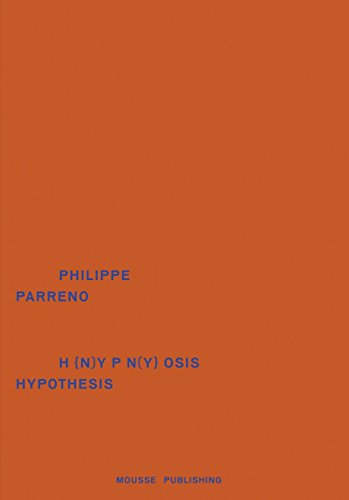
PHILIPPE PARRENO: H {N)Y P N(Y} OSIS / HYPOTHESIS
by the appearance and orchestration of sounds and images
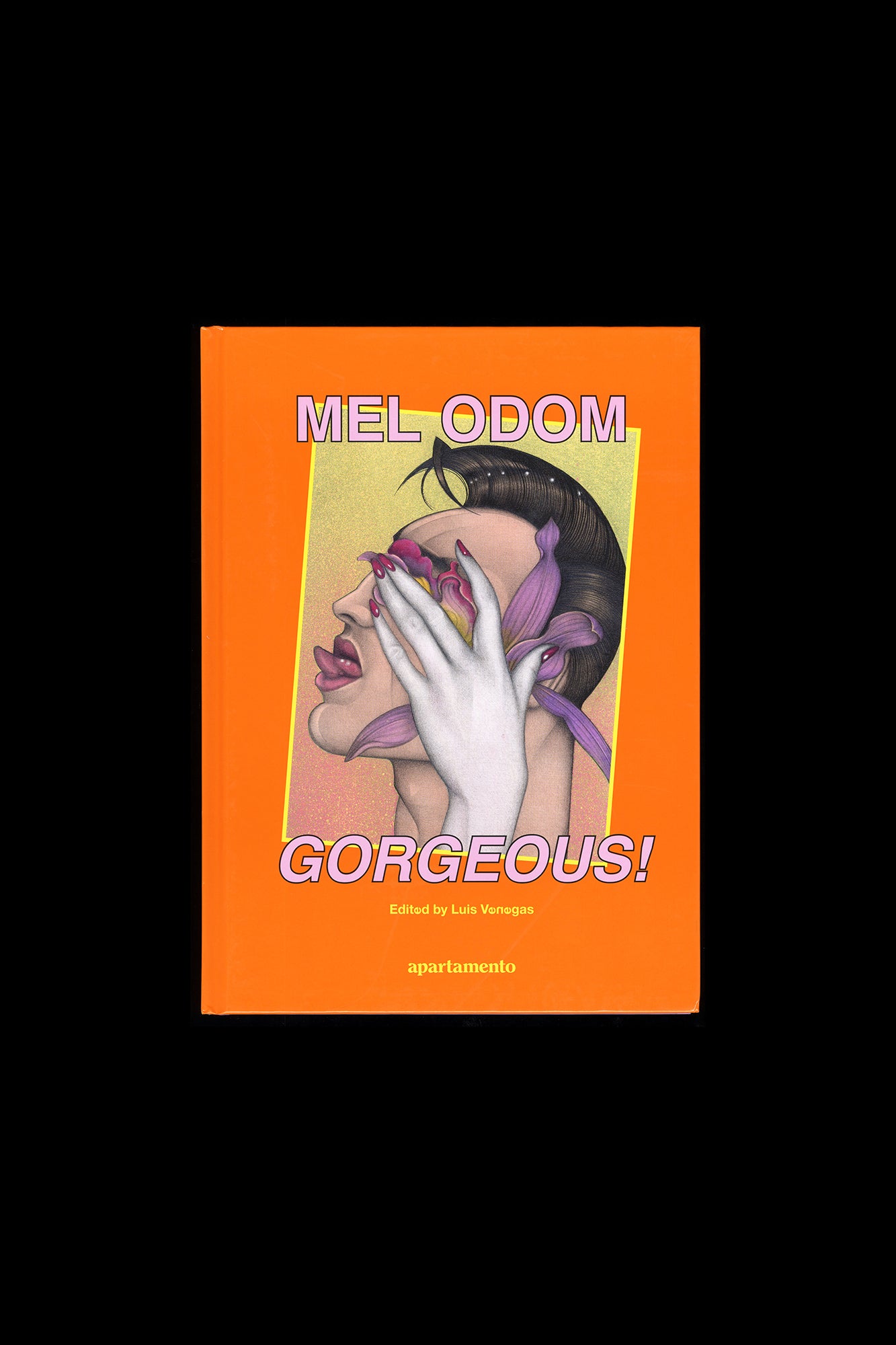
Mel Odom: Gorgeous!
Mel Odom: Gorgeous!
by the American artist’s desire
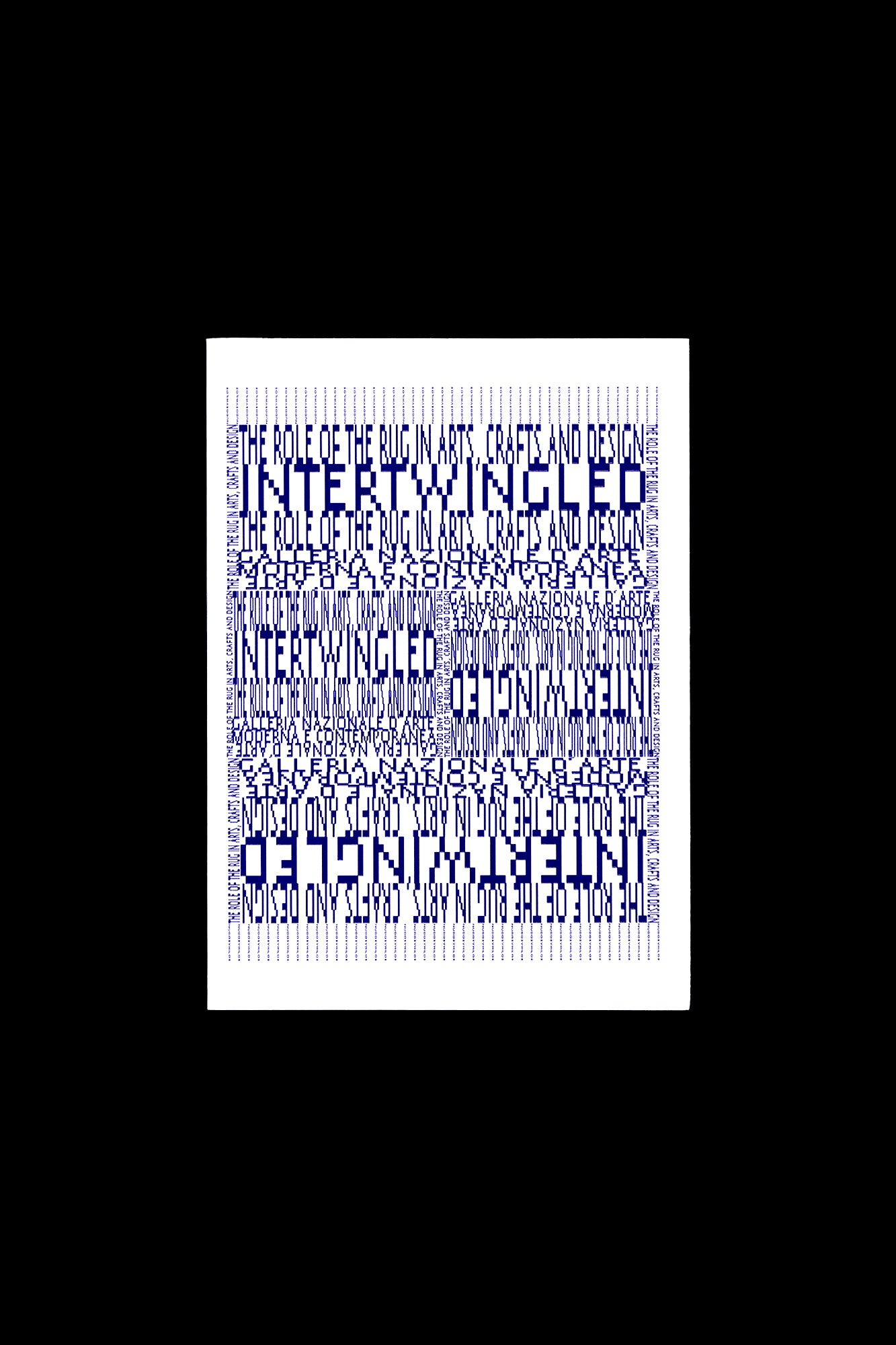
Intertwingled: The role of the rug in the arts, crafts and design
by the American sociologist and philosopher Ted Nelson to define the complexity of the interconnections in the field of know
Karel Martens: Uranus
by Zhongkai Li
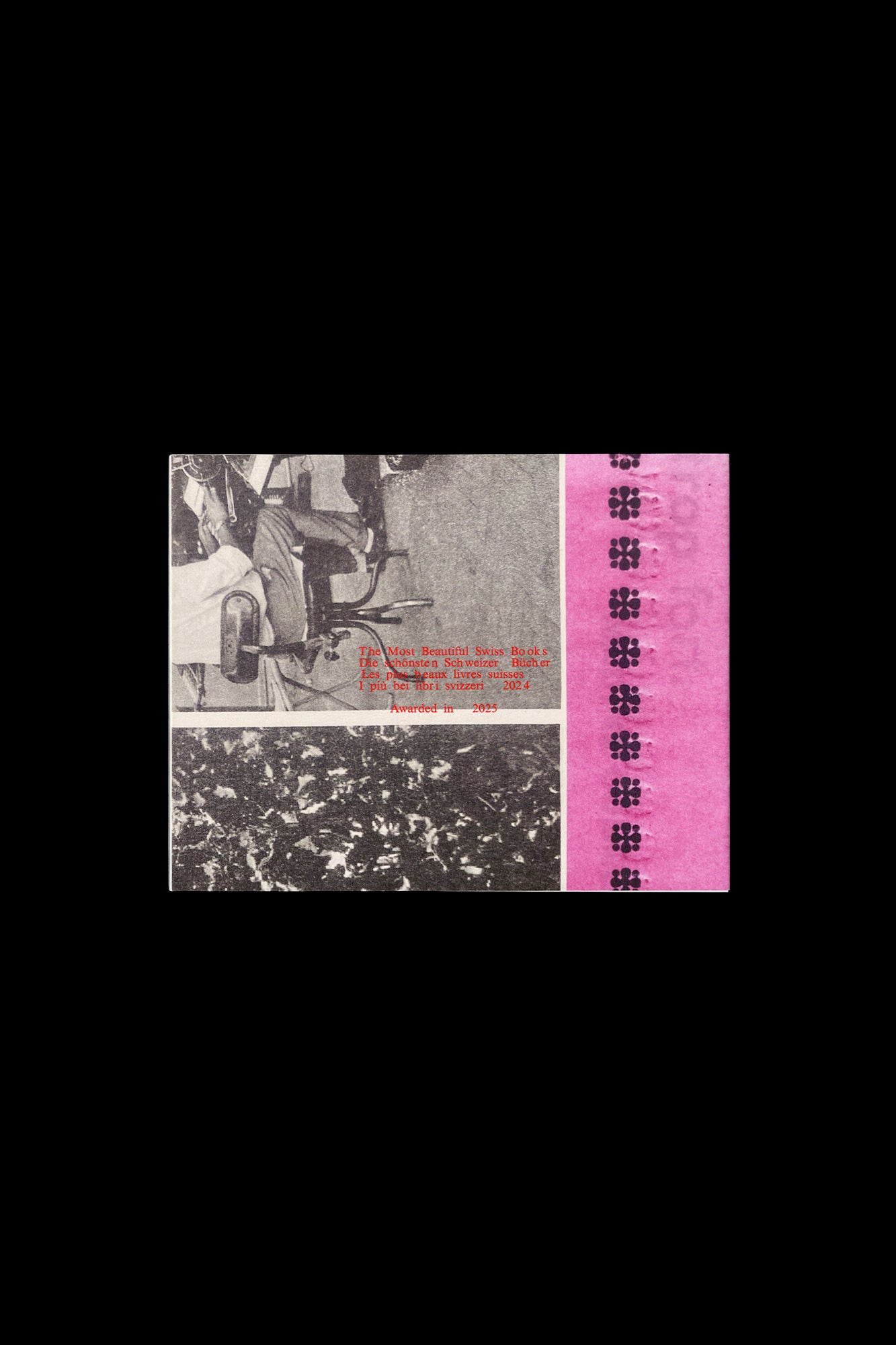
The Most Beautiful Swiss Books 2024
by Sereina Rothenberger

Market

Community Notes