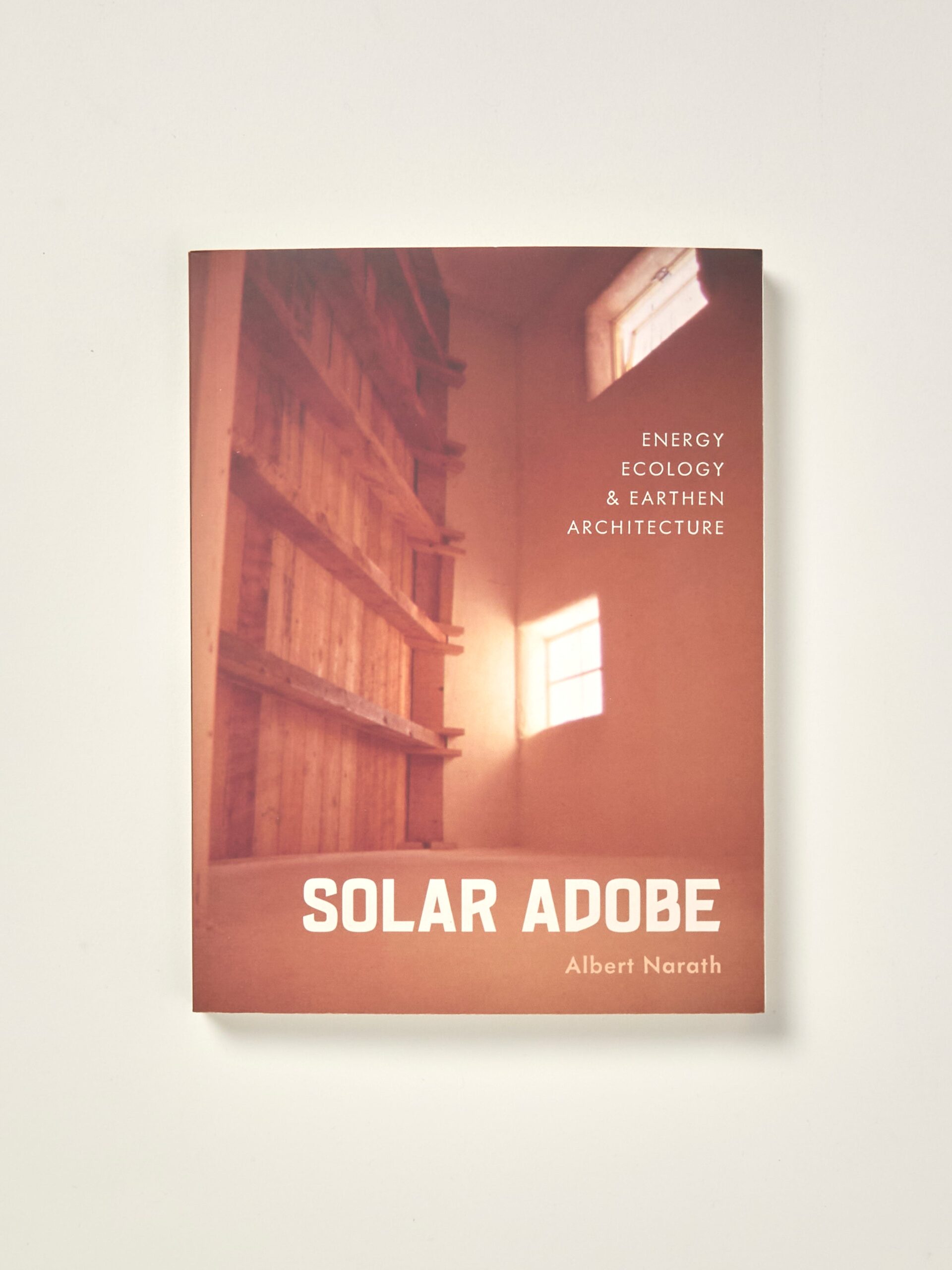
Solar Adobe: Energy, Ecology, and Earthen Architecture
by the Pueblo people of the American Southwest and by Spanish colonialists
How a centuries-old architectural tradition reemerged as a potential solution to the political and environmental crises of the 1970s Against the backdrop of a global energy crisis, a widespread movement embracing the use of raw earth materials for building construction emerged in the 1970s. Solar Adobe examines this new wave of architectural experimentation taking place in the United States, detailing how an ancient tradition became a point of convergence for issues of environmentalism, architecture, technology, and Indigenous resistance. Utilized for centuries by the Pueblo people of the American Southwest and by Spanish colonialists, adobe construction found renewed interest as various groups contended with the troubled legacies of modern architecture and an increasingly urgent need for sustainable design practices. In this period of critical experimentation, design networks that included architects, historians, counterculture communities, government weapons labs, and Indigenous activists all looked to adobe as a means to address pressing environmental and political issues. Albert Narath charts the unique capacities of adobe construction across a wide range of contexts, consistently troubling simple distinctions between traditional and modern technologies, high design and vernacular architecture. Drawing insightful parallels between architecture, environmentalism, and movements for Indigenous sovereignty, Solar Adobe stresses the importance of considering the history of the built environment in conjunction with architecture's larger impact on the natural world.
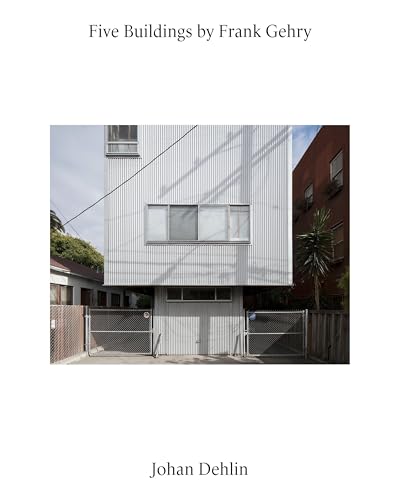
by Canadian American architect and designer Frank Gehry (born 1929) from an early stage in his decades-long career
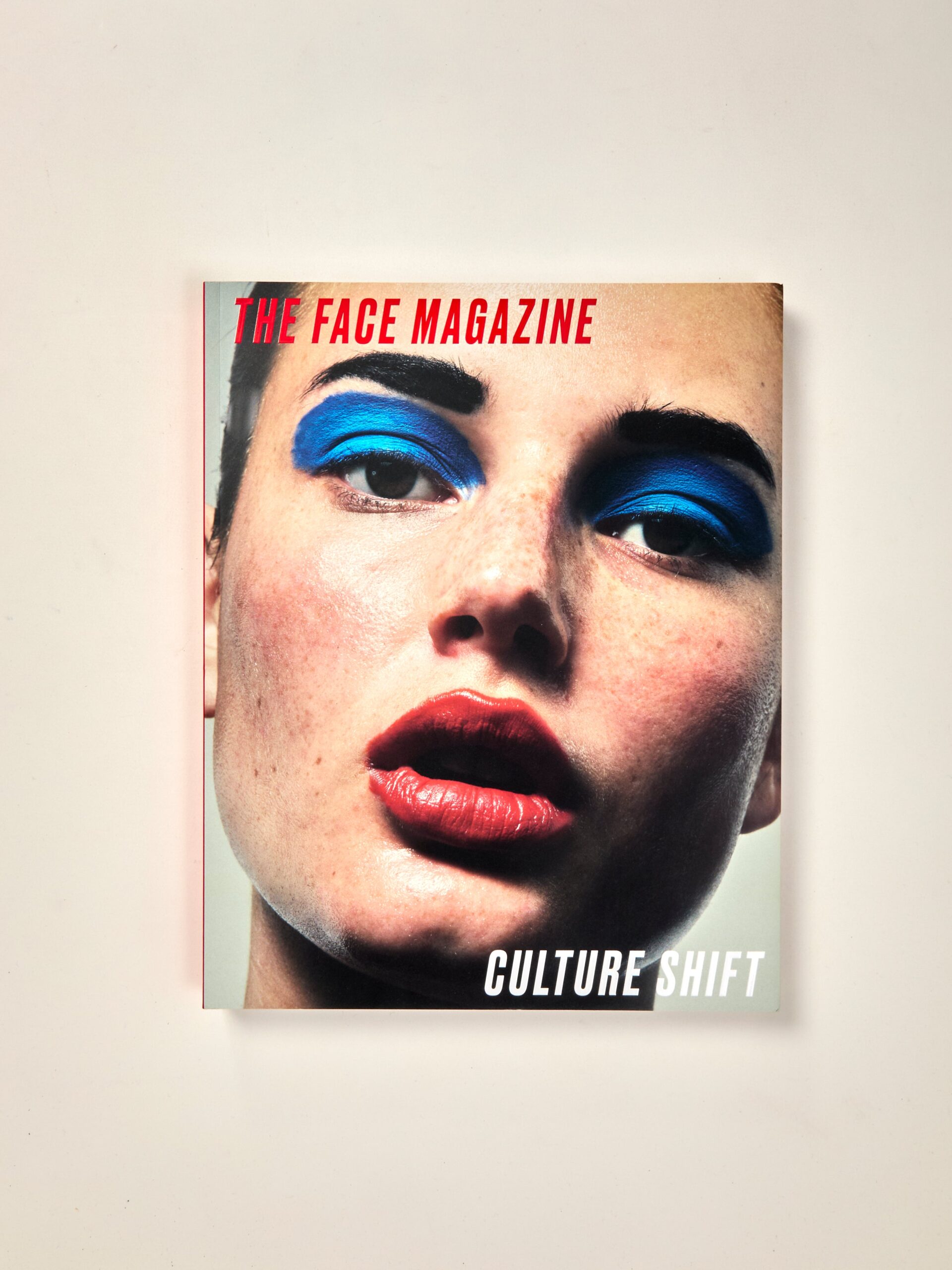
The Face Magazine: Culture Shift
by English journalist Nick Logan
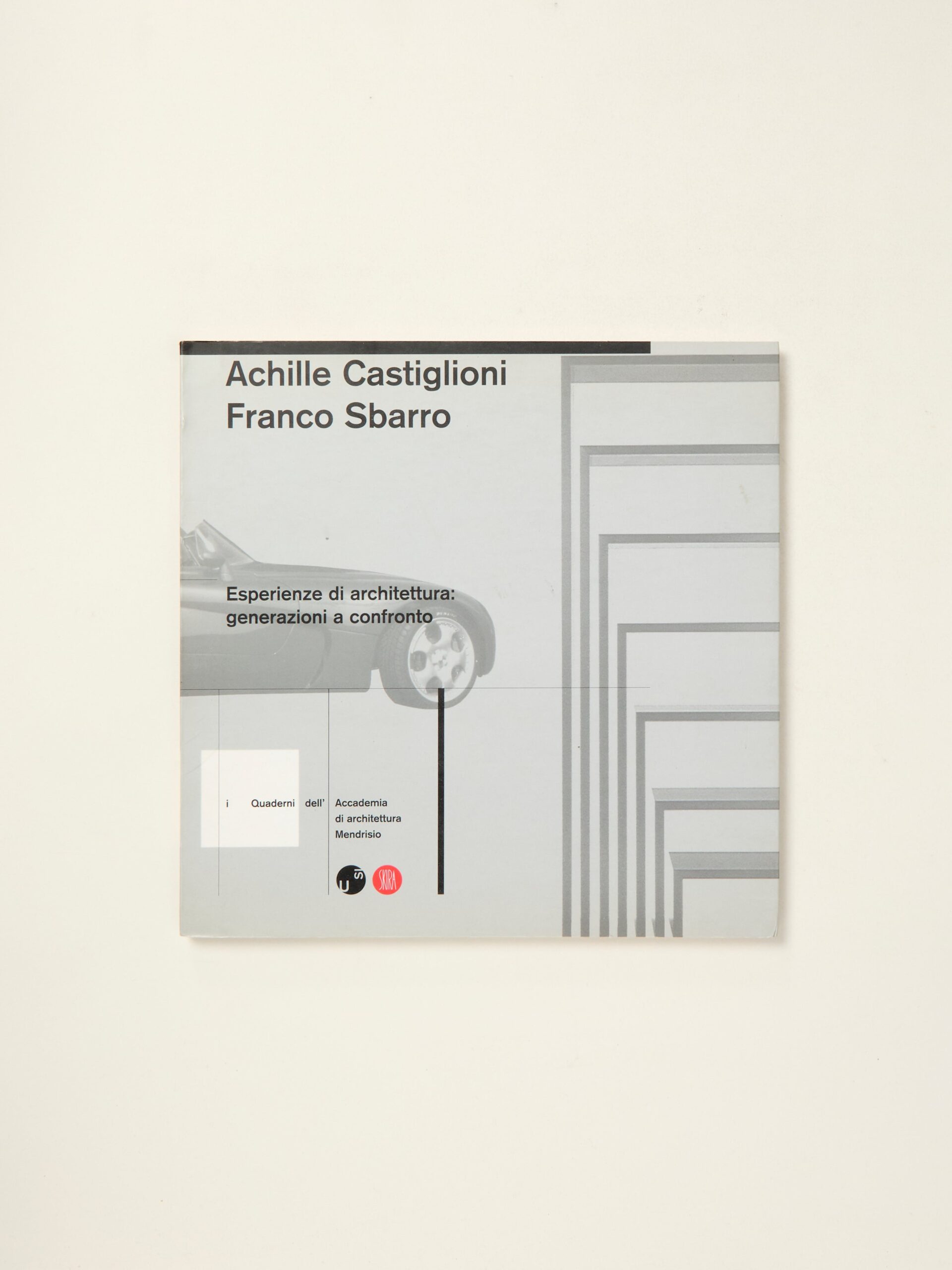
Achille Castiglioni, Franco Sbarro: Esperienze di architettura : generazioni a confronto (I quaderni dell’Accademia di architettura Mendrisio) (Italian Edition)
by Achille Castiglioni
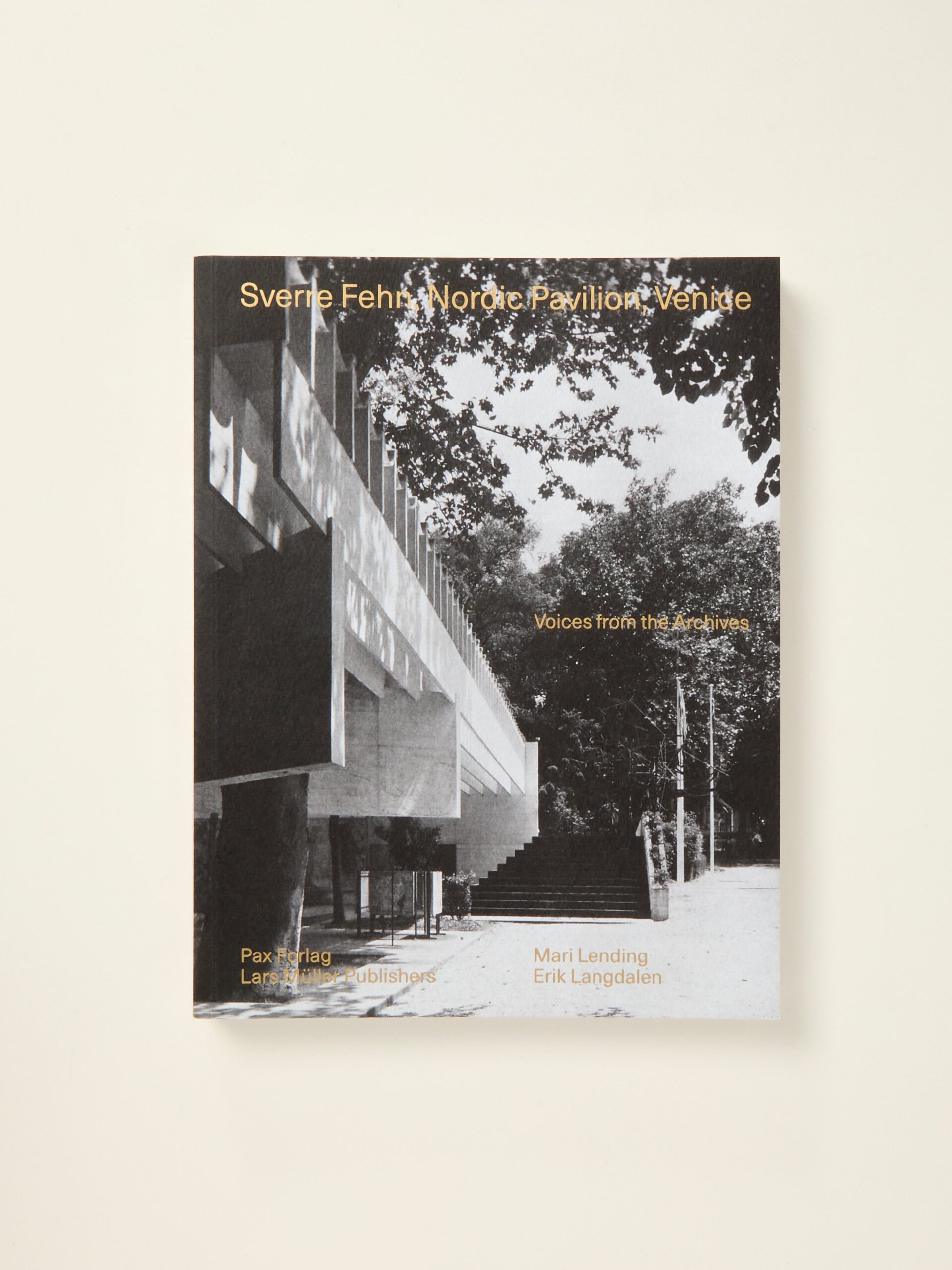
Sverre Fehn: Nordic Pavilion, Venice: Voices from the Archives
by Sverre Fehn
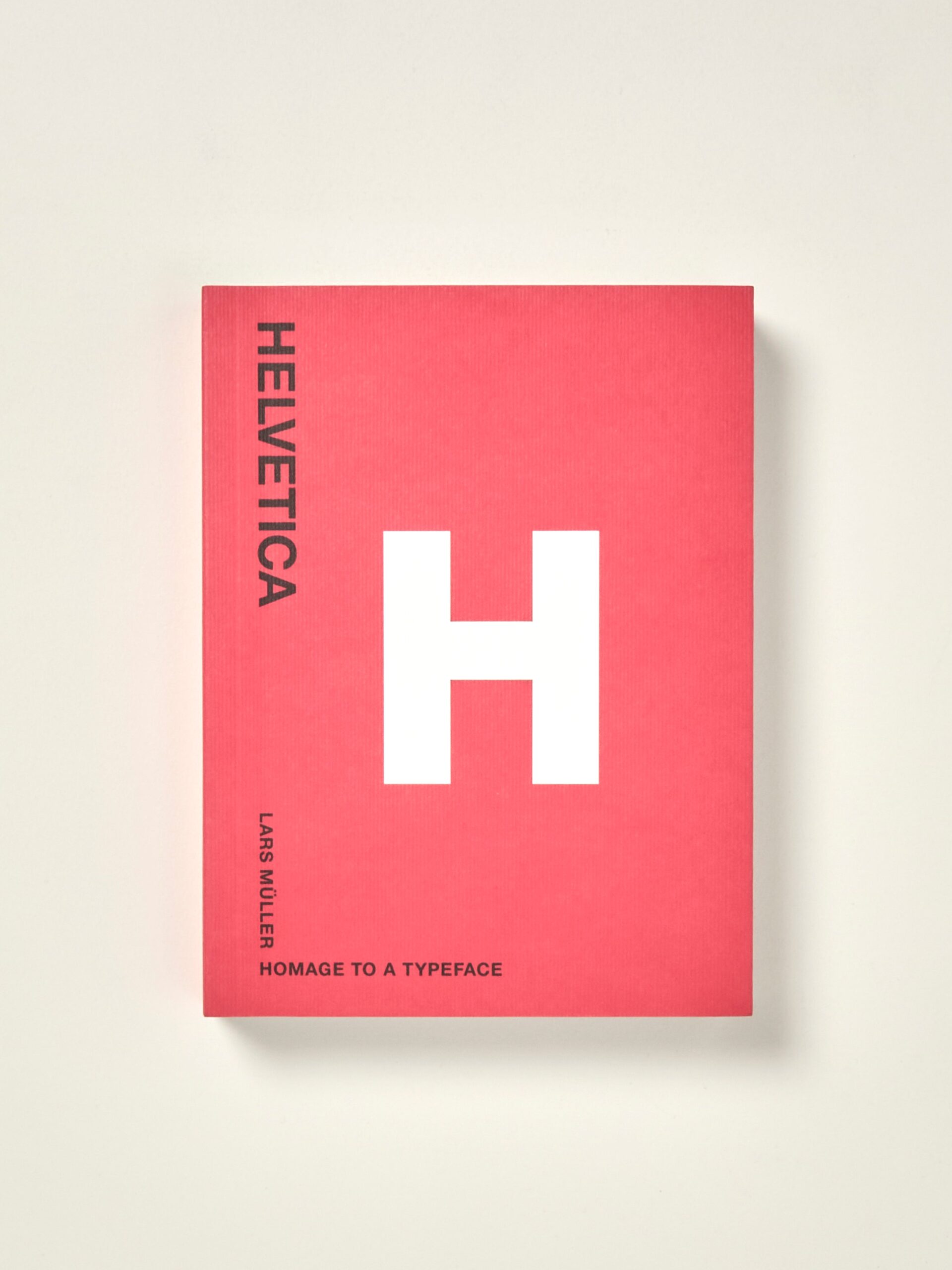
Helvetica: Homage to a Typeface
by renowned designers are juxtaposed with an anonymous collection of ugly
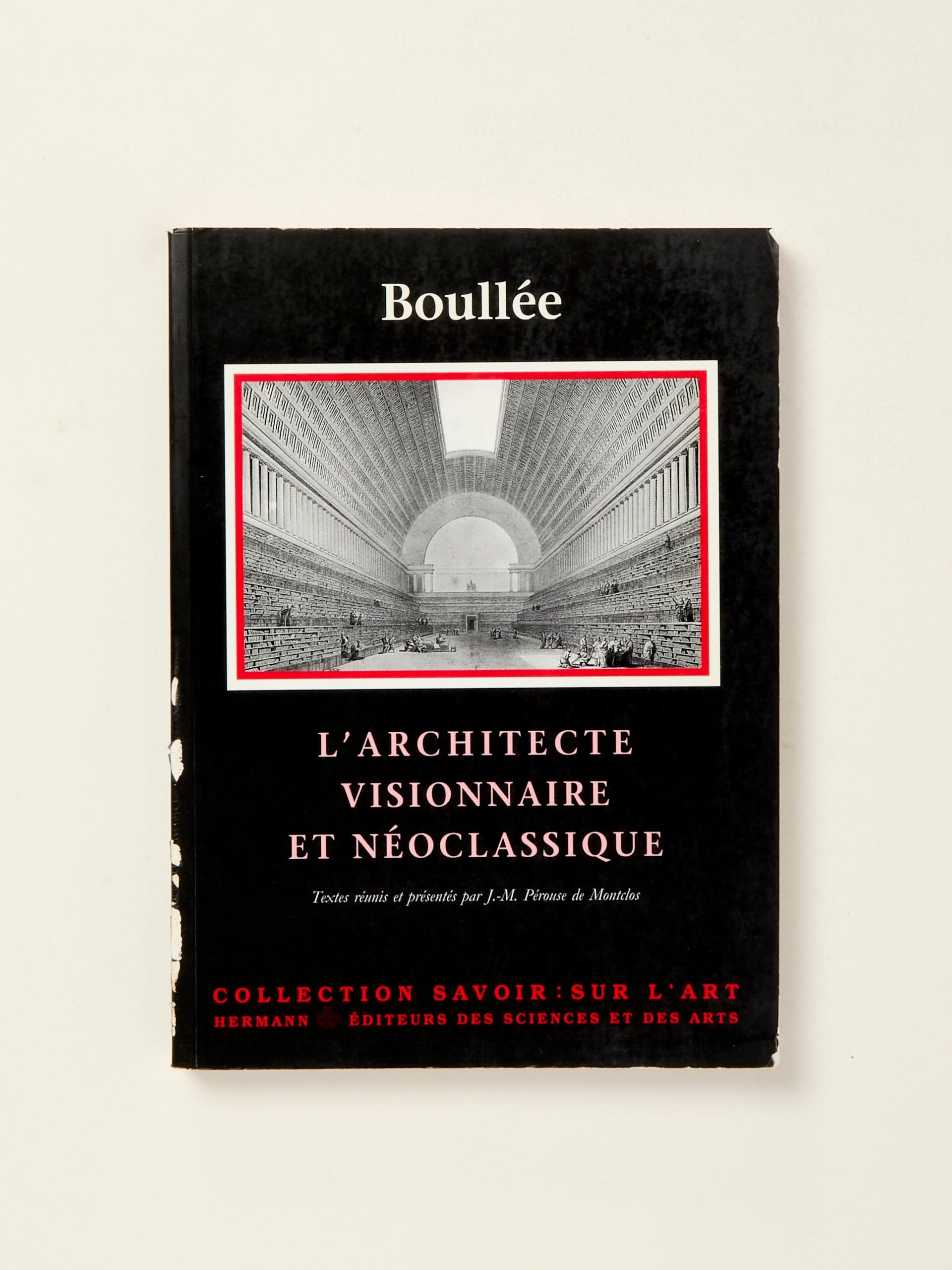
L’architecte visionaire et neoclassique
by the 18th century megalomaniac
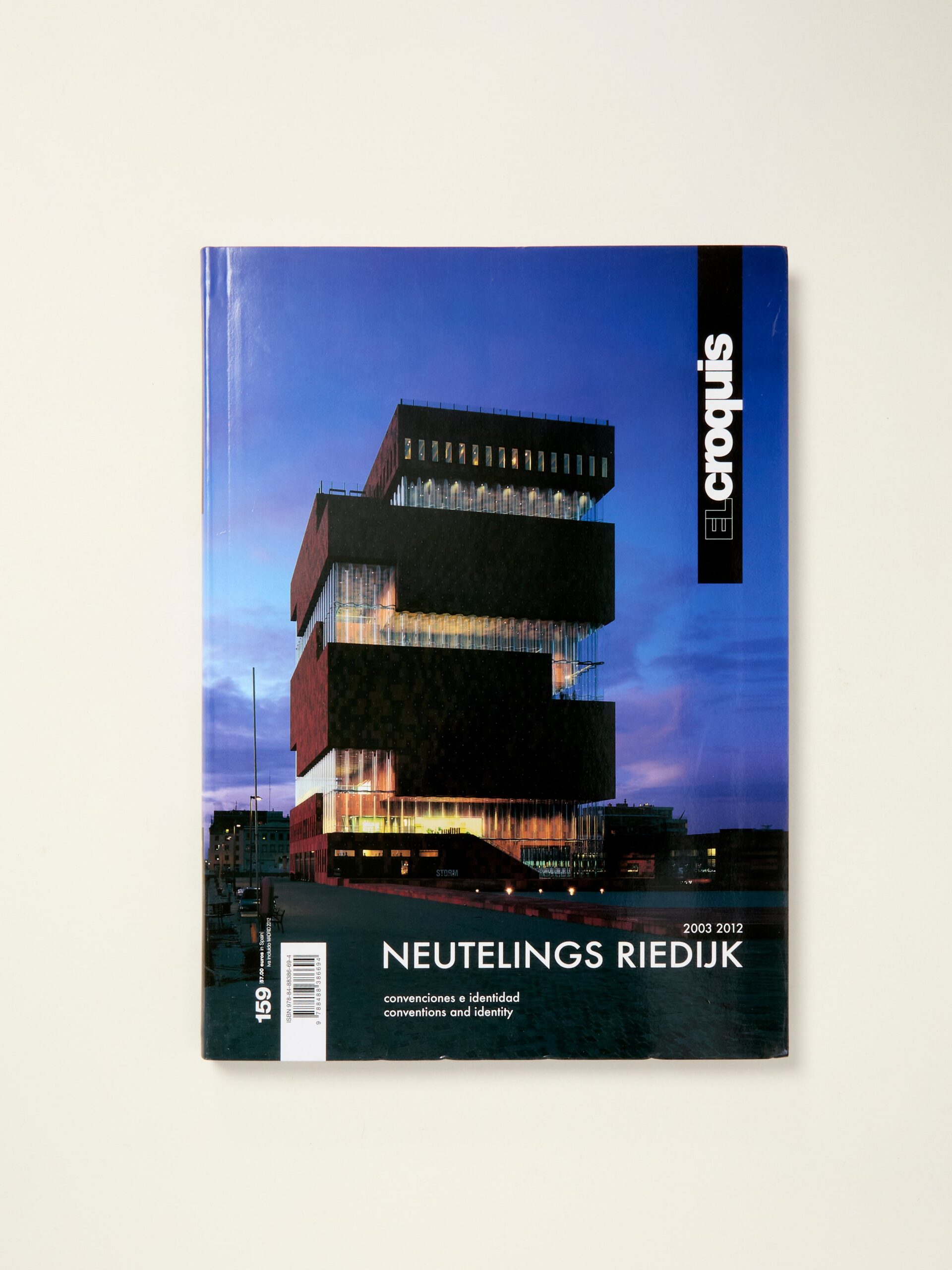
El Croquis 159: Neutelings Riedijk
by Aaron Betsky this issue of El Croquis presents the buildings and projects done in the last nine years by Neutelings Riedi
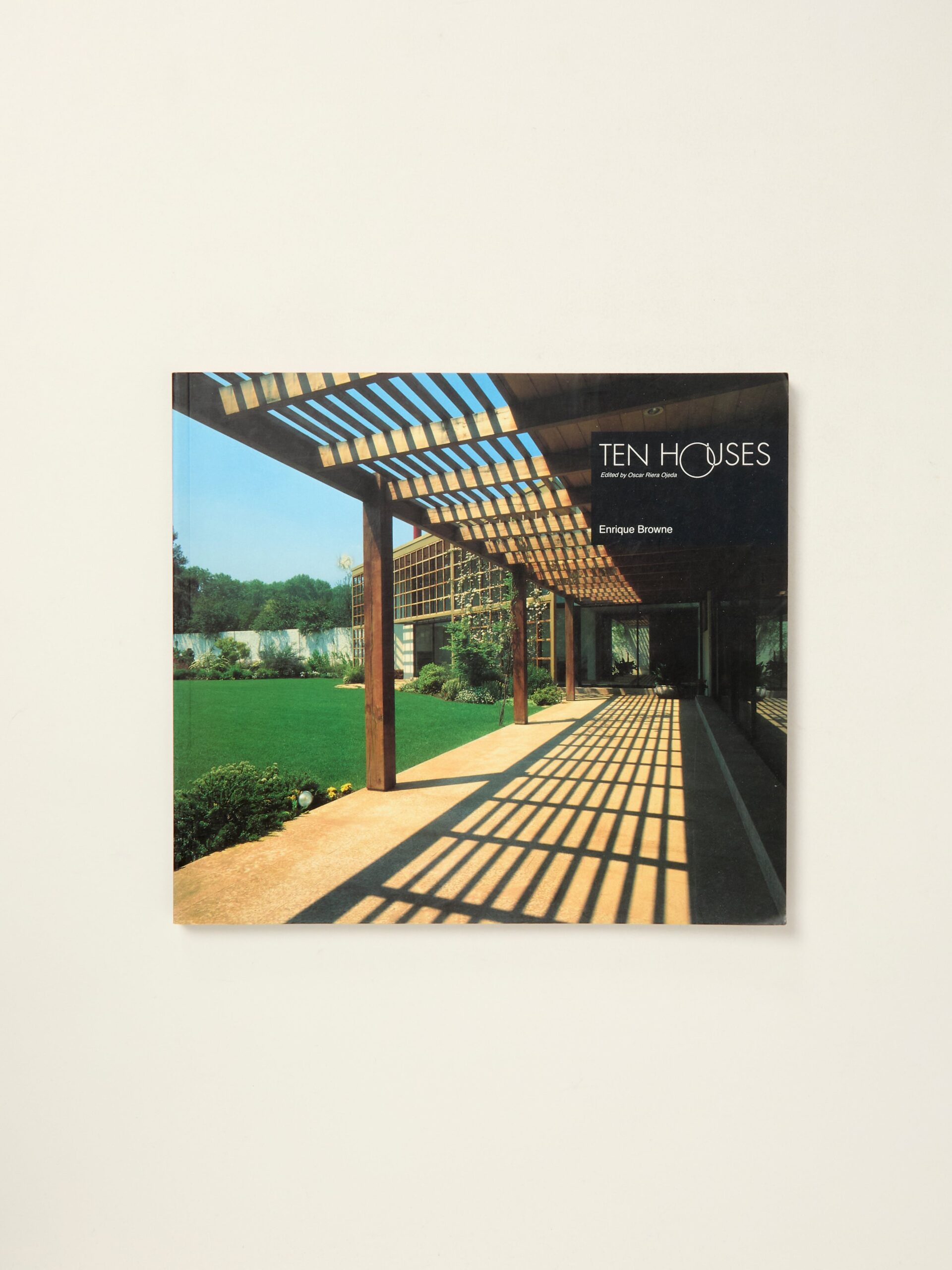
Ten Houses: Enrique Browne
by way of intermediate spaces between interior/exterior
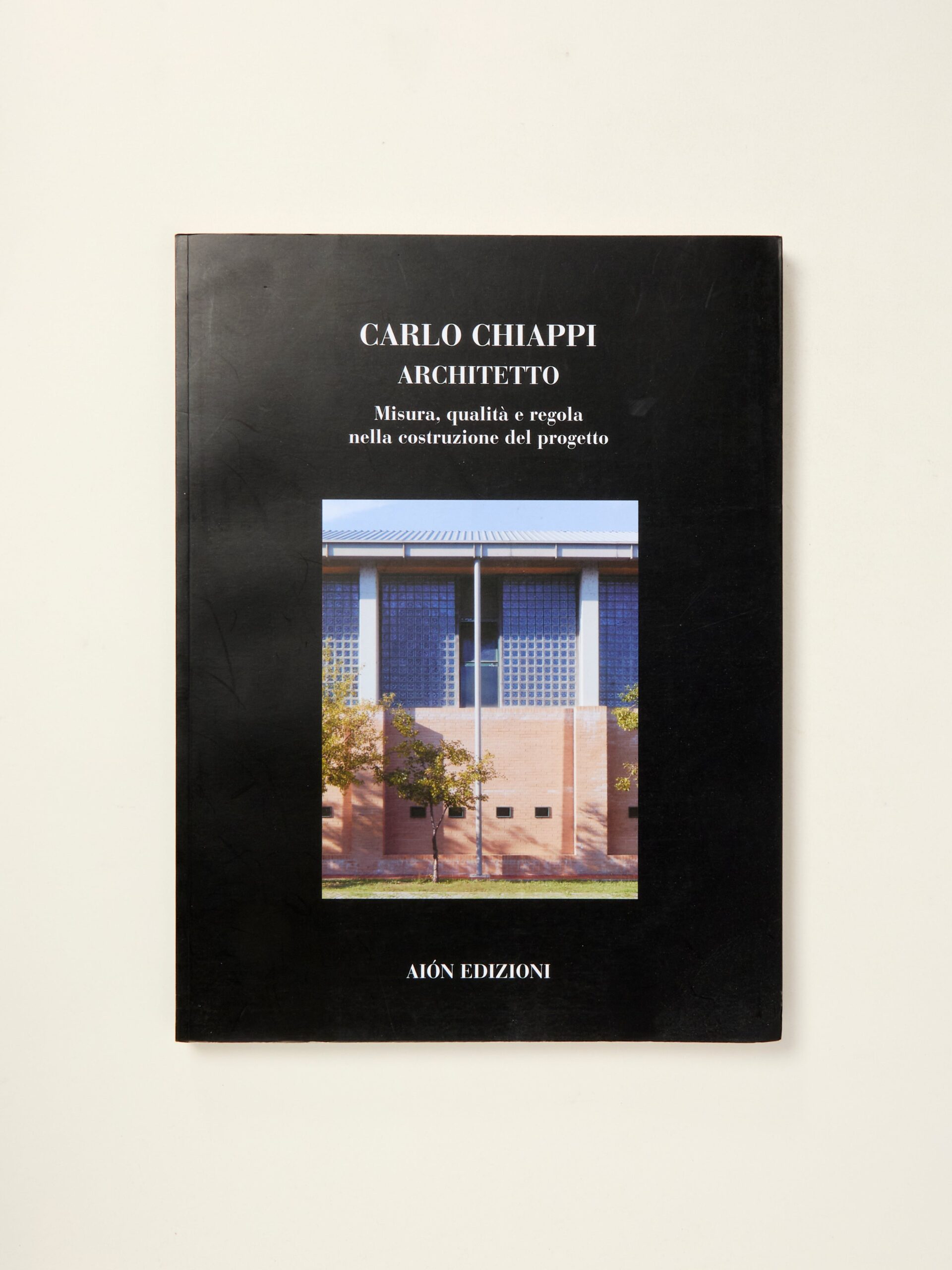
Carlo Chiappi architetto. Misura, qualità e regola nella costruzione del progetto (Measurement, Quality, and Rule in the Construction of the Project)
by Carlo Chiappi architetto.
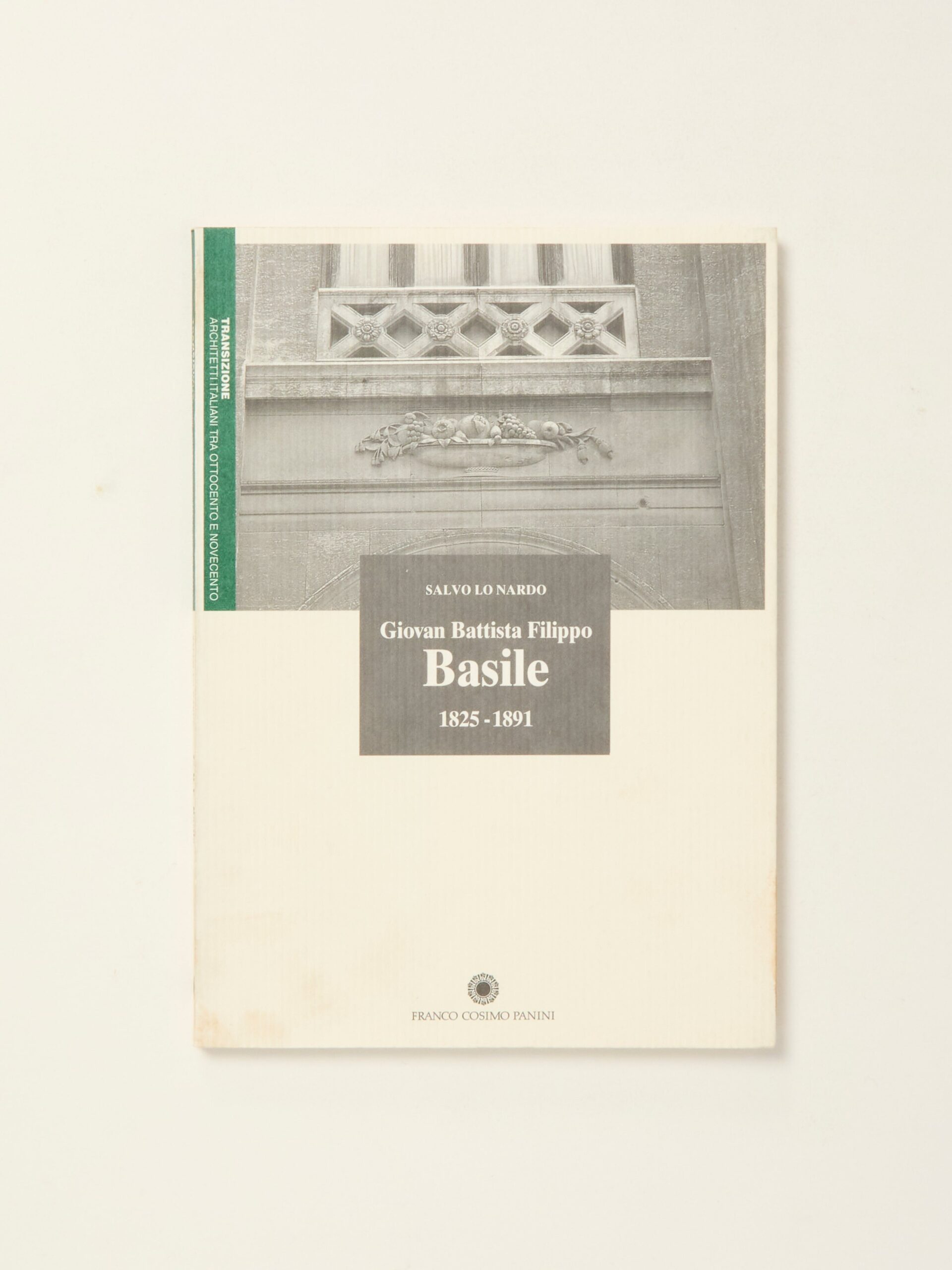
Giovan Batista Filippo Basile, 1825 – 1891
by Paolo Portoghesi
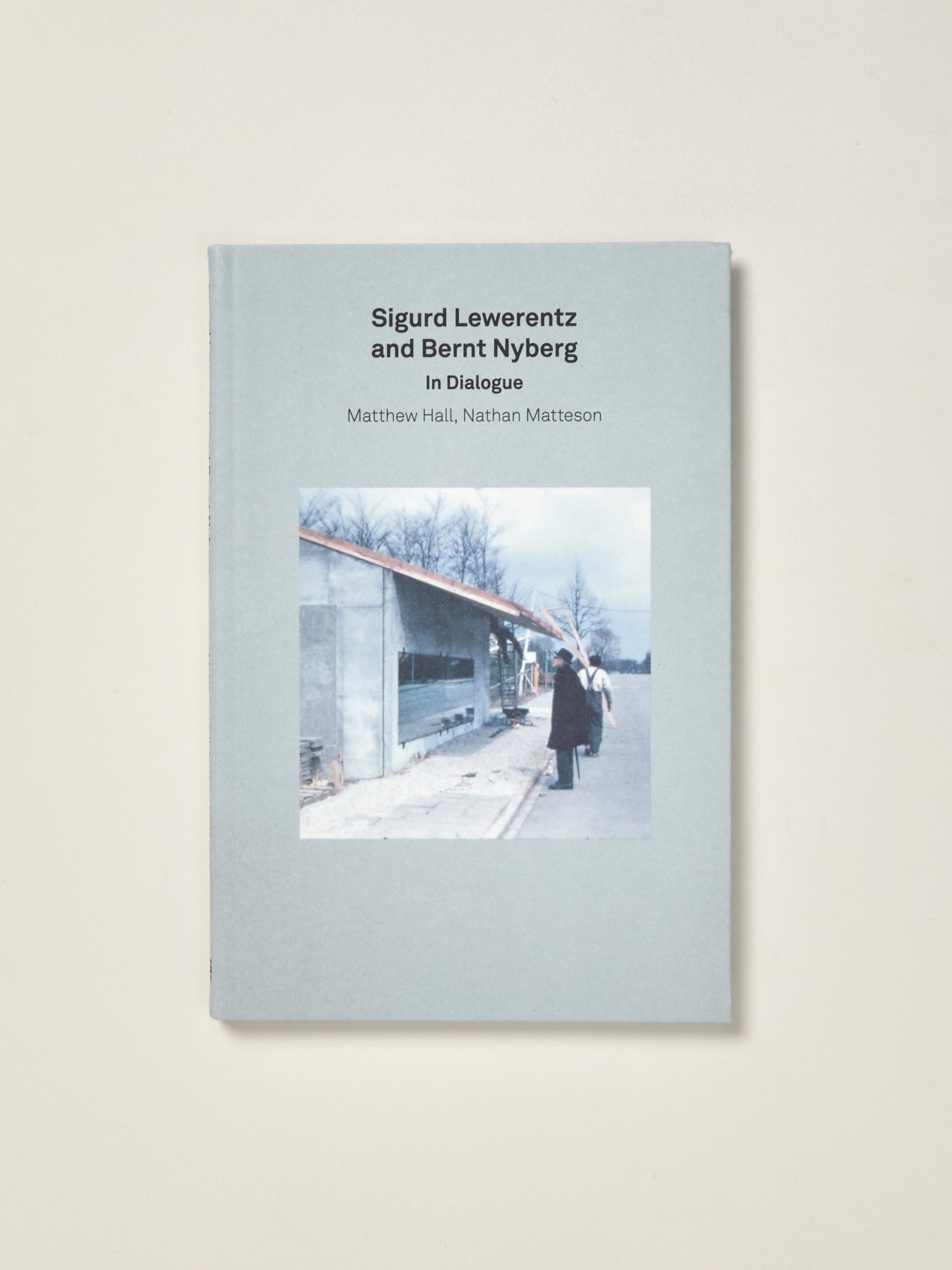
2G Essays: Sigurd Lewerentz and Bernt Nyberg in Dialogue
by Matthew Hall
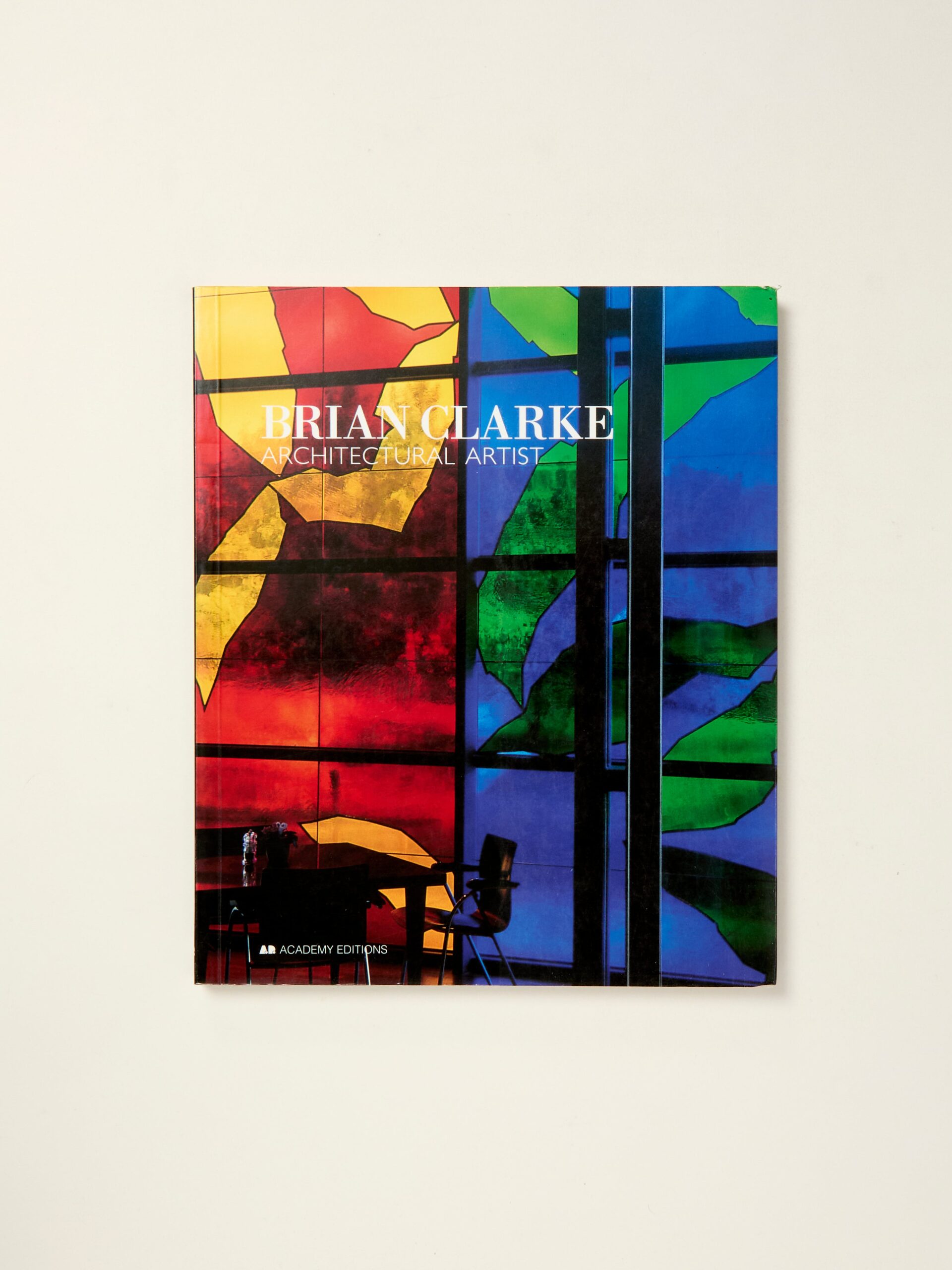
Brian Clarke: Architectural Artist (Art and Design Monographs)
by the remarkable architectural artist
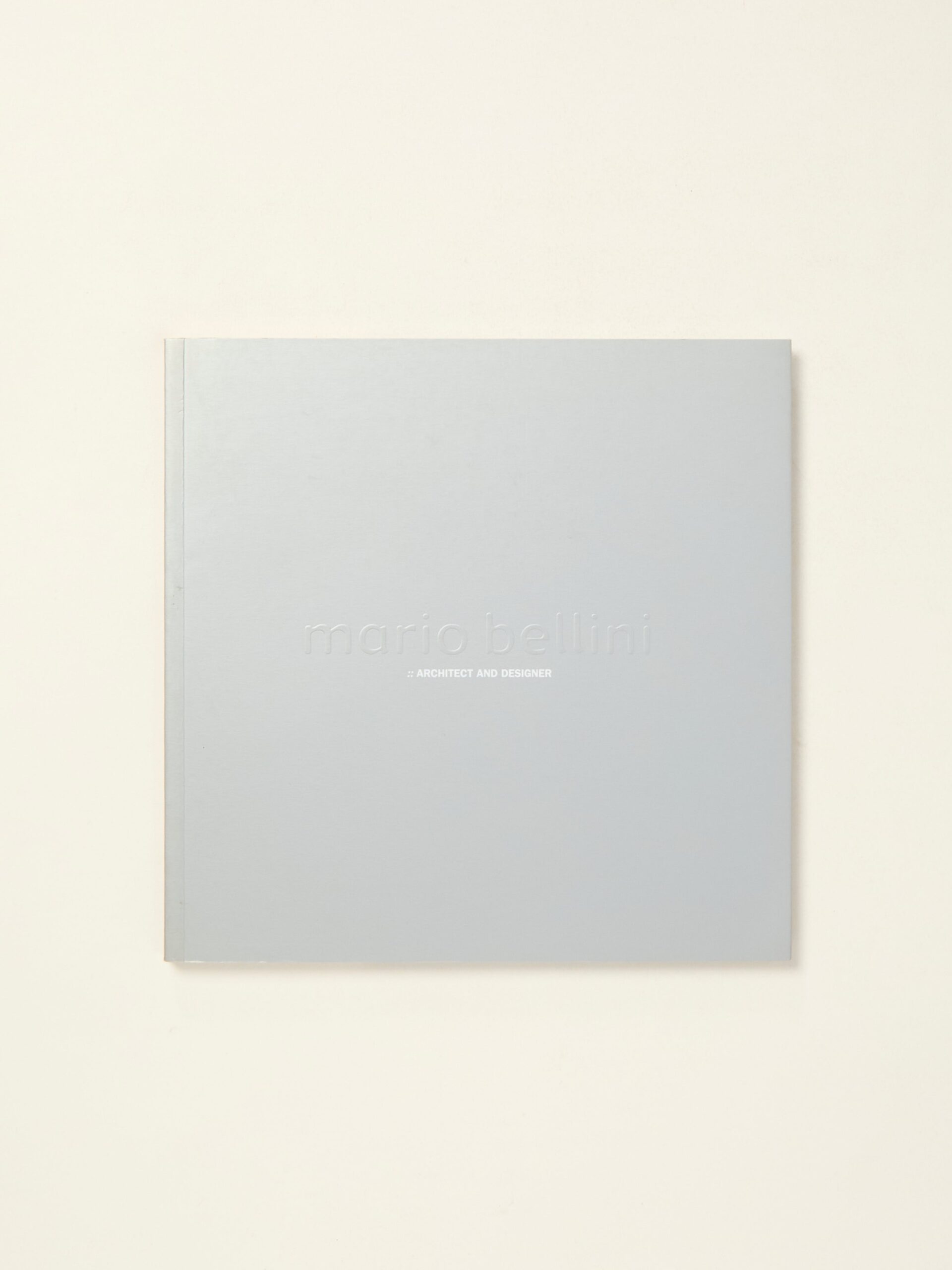
Mario Bellini: Architect and Designer
by Mario Bellini
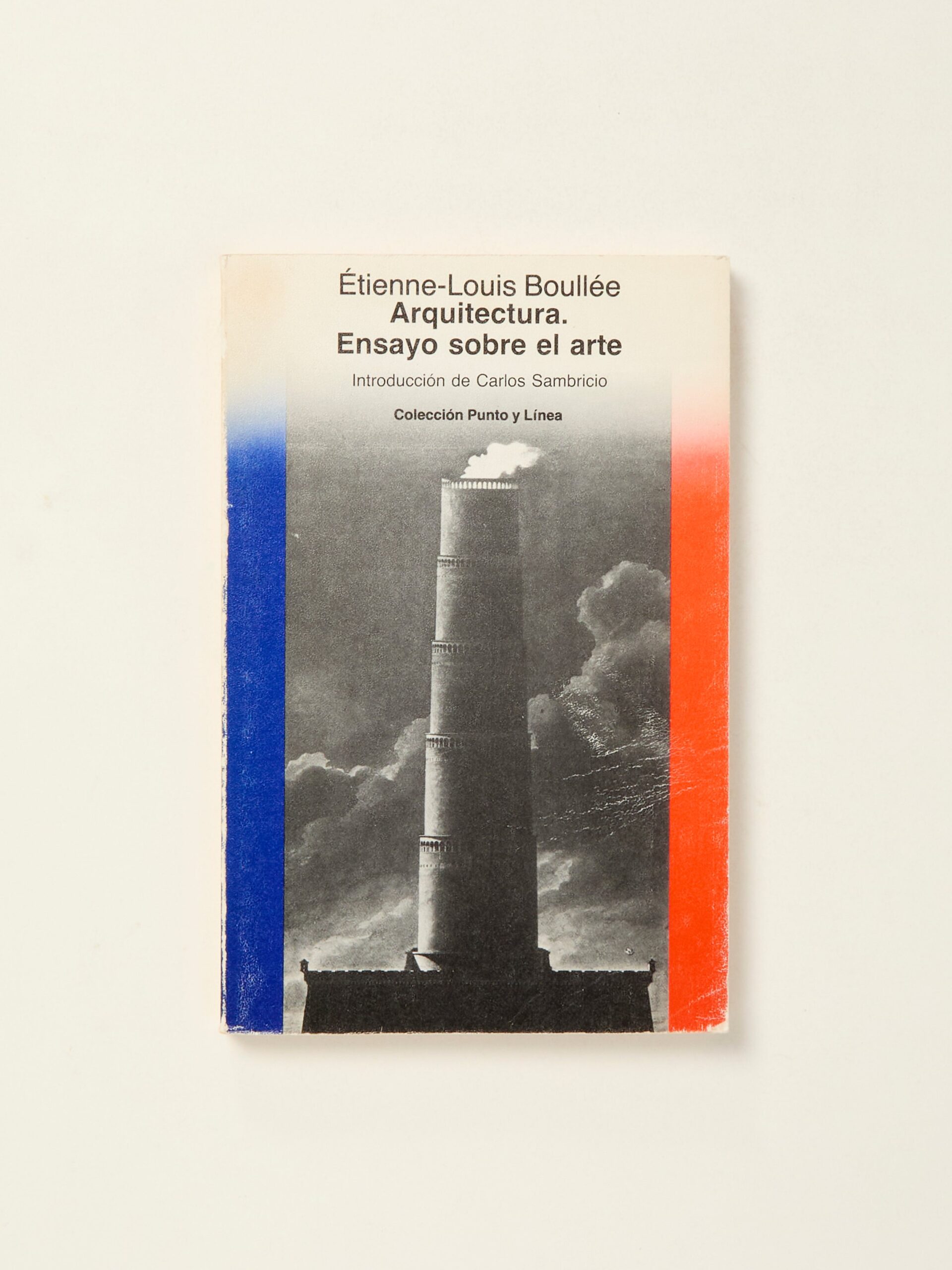
Etienne-Louis Boullee 1728-1799: Theoretician of Revolutionary Architecture
by Jean-Marie Pérouse de Montclos
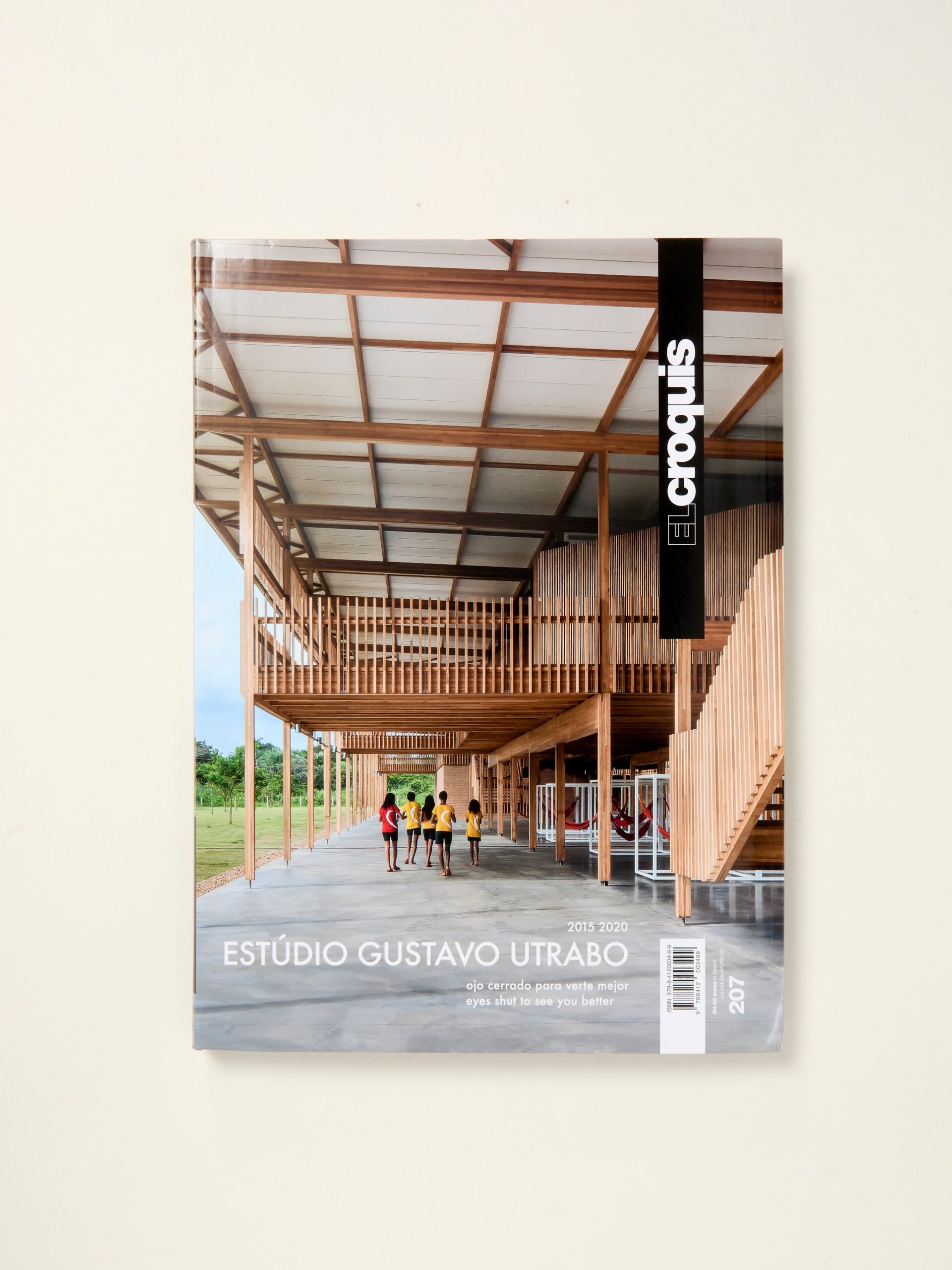
El Croquis 207: Estúdio Gustavo Utrabo (2015-2020)
by Marta Bogéa
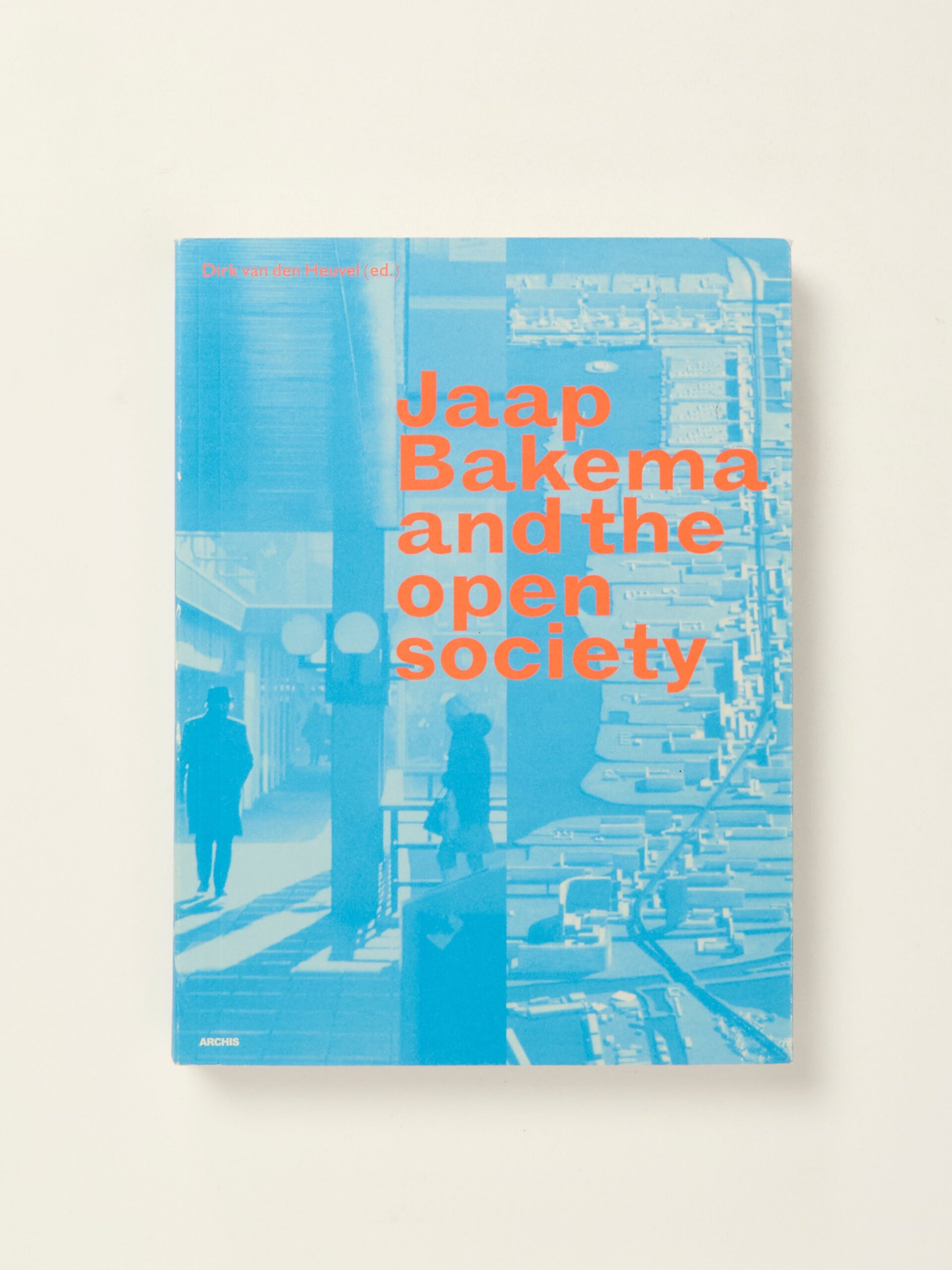
Jaap Bakema And The Open Society
by Jaap Bakema
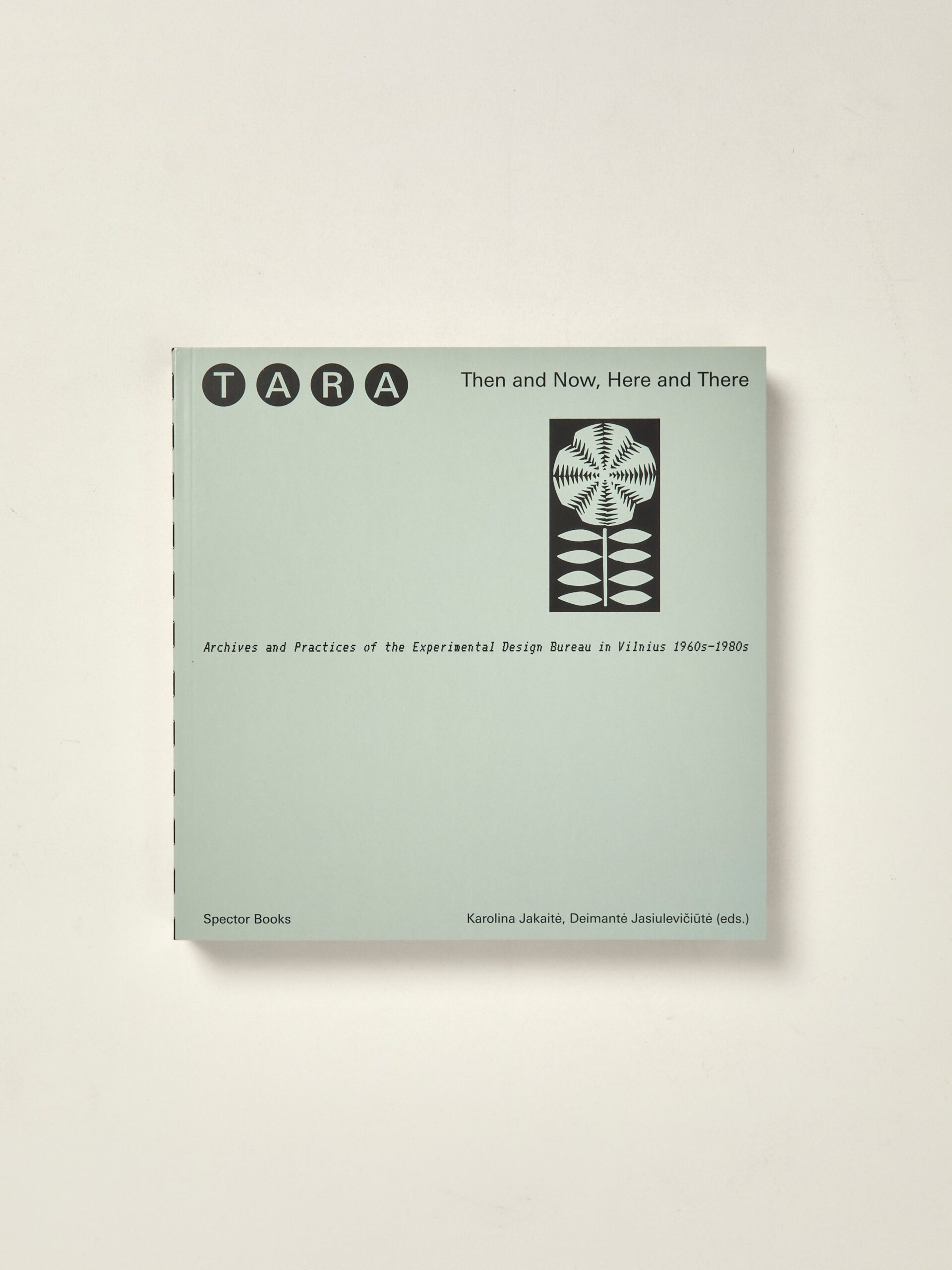
Tara: Then and Now, Here and There
by artists working in the graphic design field for their place of employment
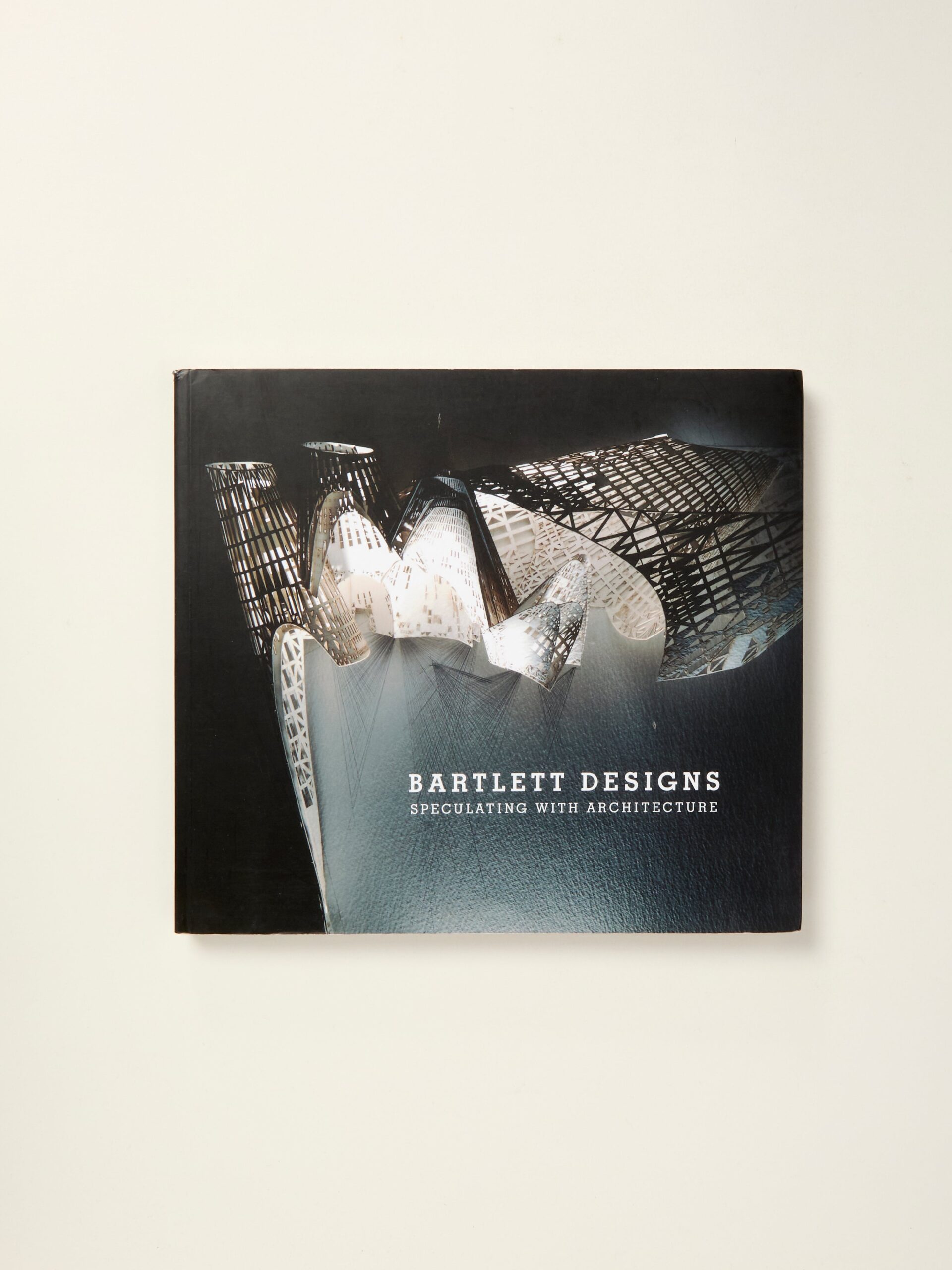
Bartlett Designs: Speculating with Architecture
by the individual tutors concerned
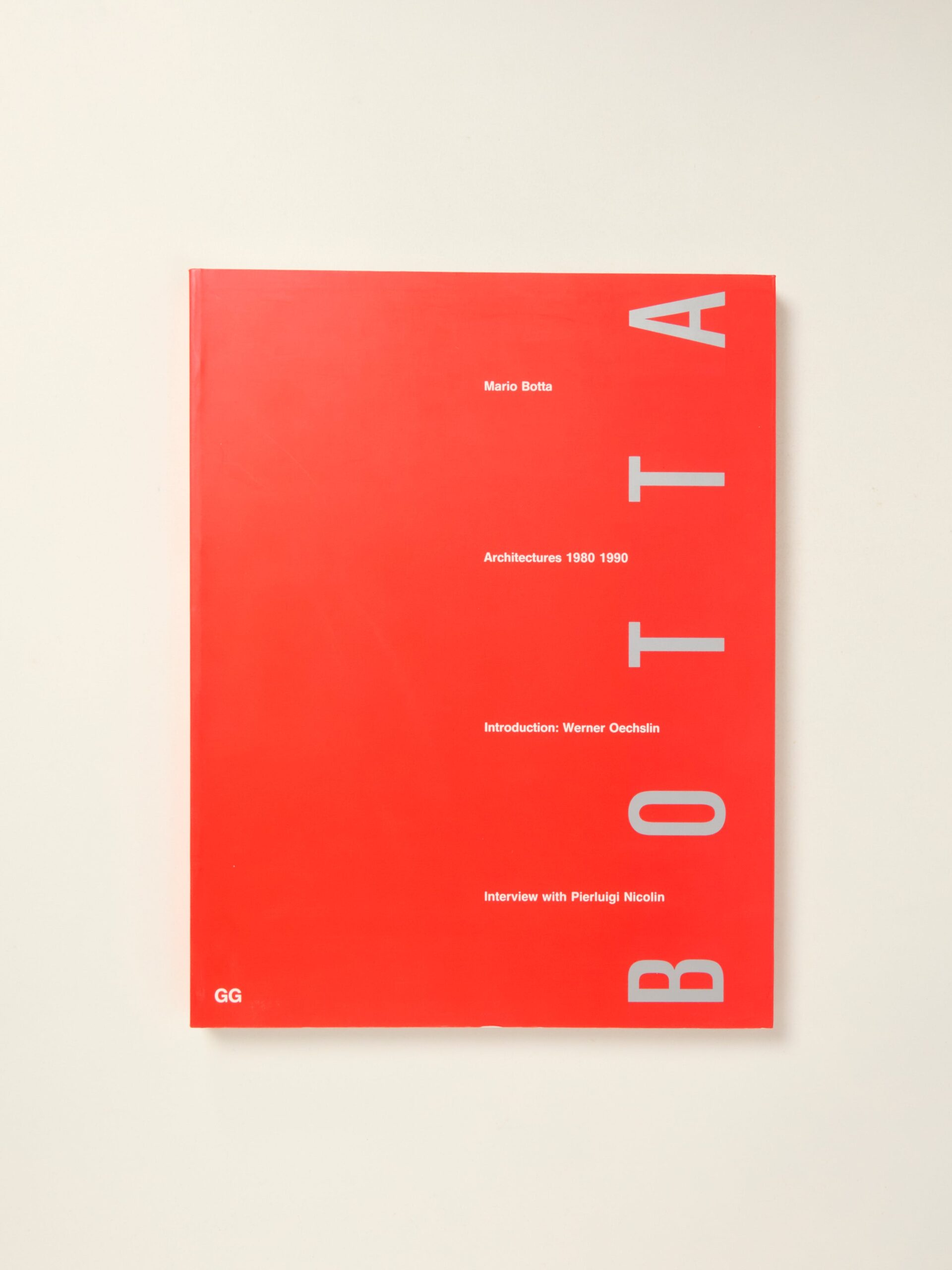
Mario Botta: Architectures 1980-1990
by Werner Oechslin
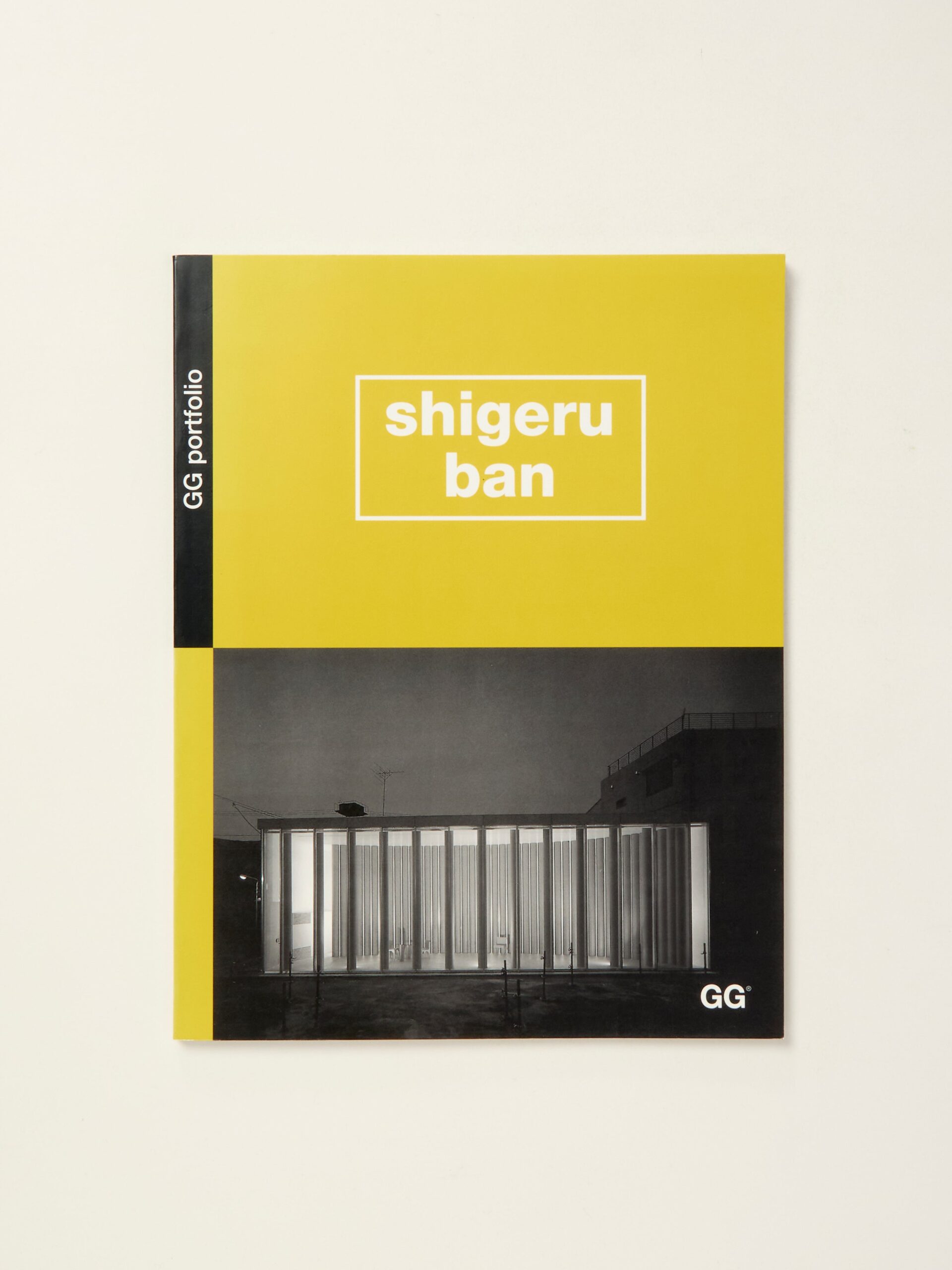
Shigeru Ban
by Shigeru Ban
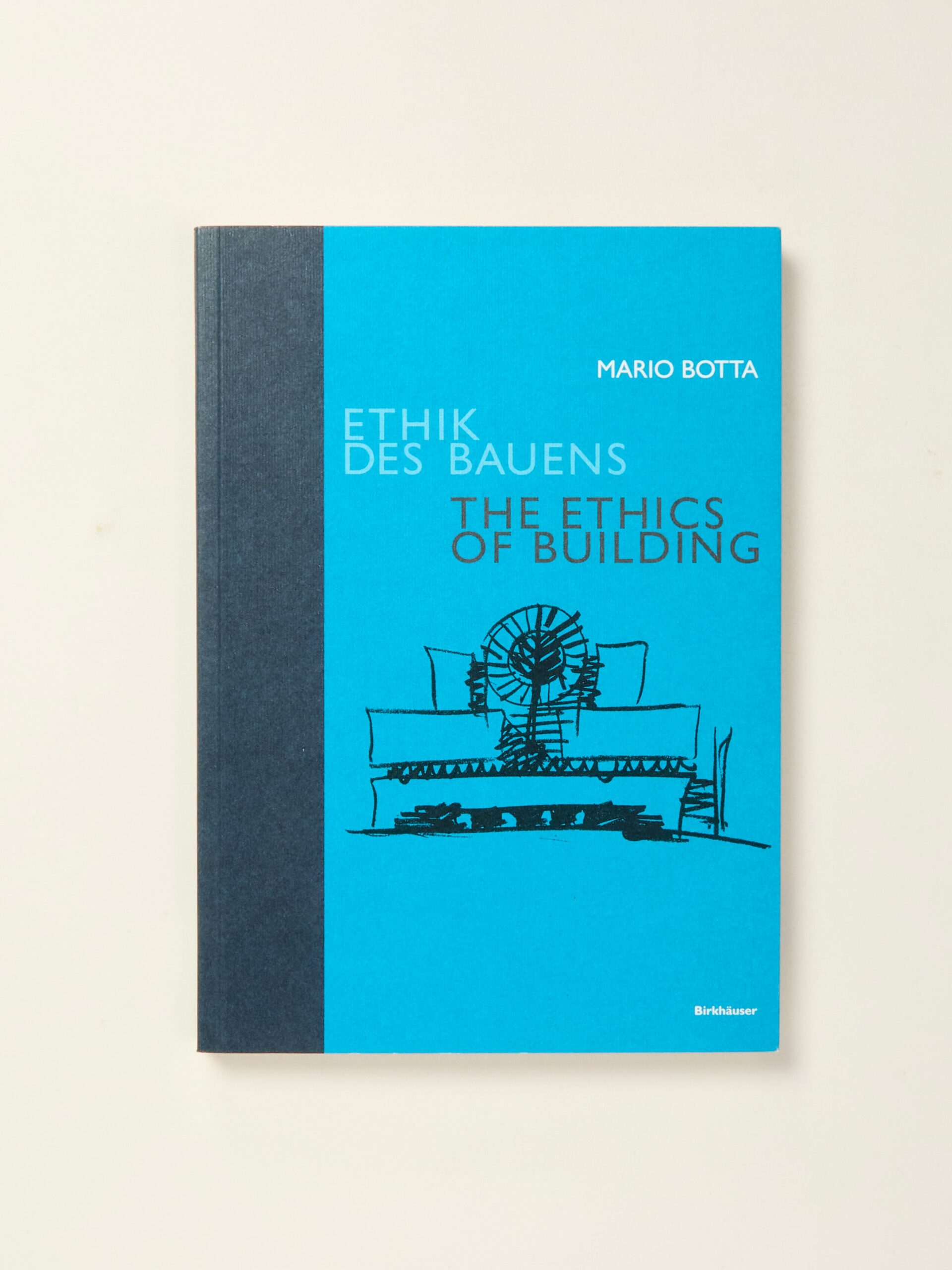
Ethik des Bauens/The Ethics of Buildings
by Botta himself help elucidate the theoretical discourse
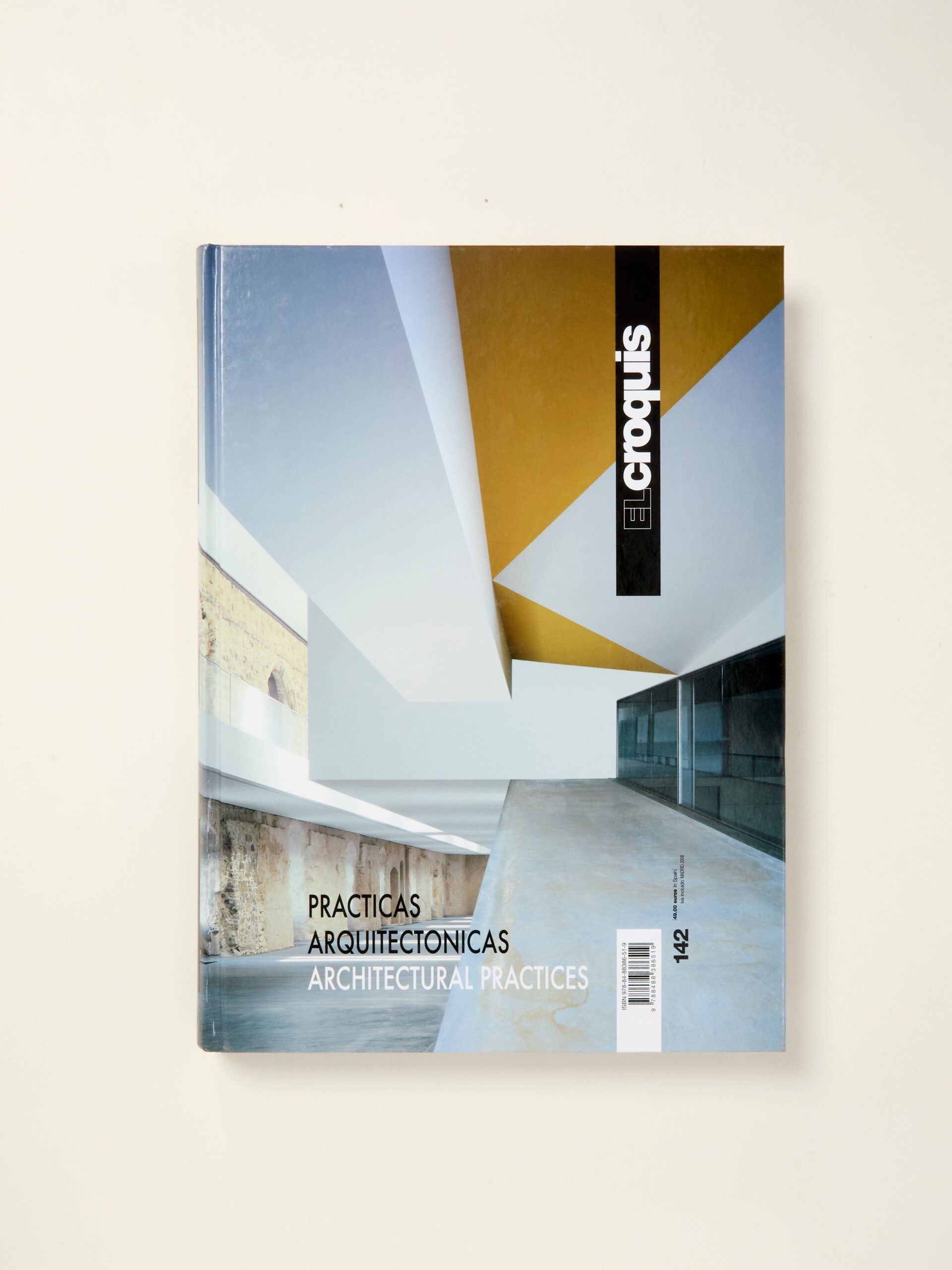
El Croquis 142: Architectural Practices (Practicas Arquitectonicas)
by El Croquis 142
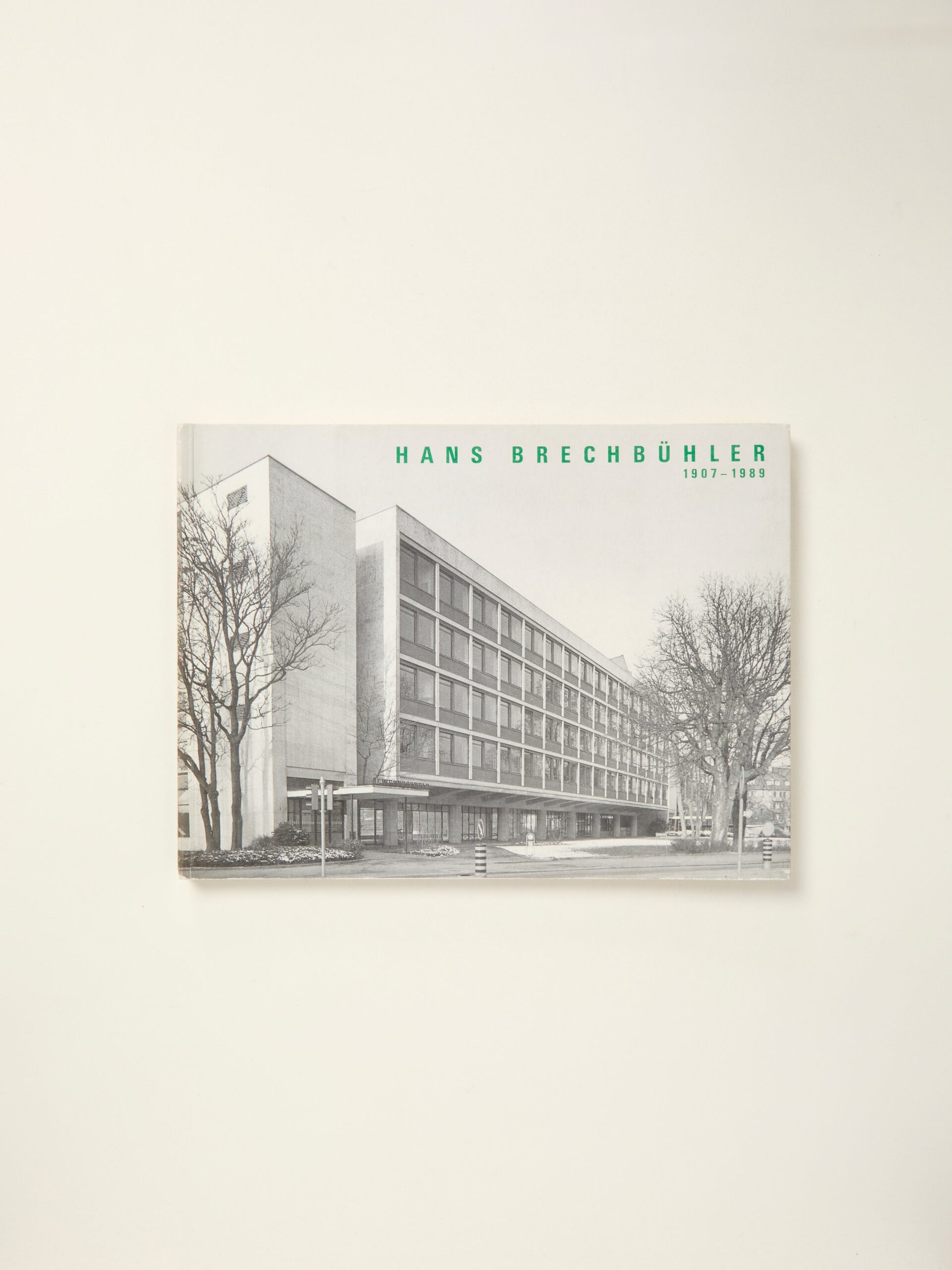
Hans Brechbuhler 1907-1989
by the Swiss modernist architect Hans Brechbuhler
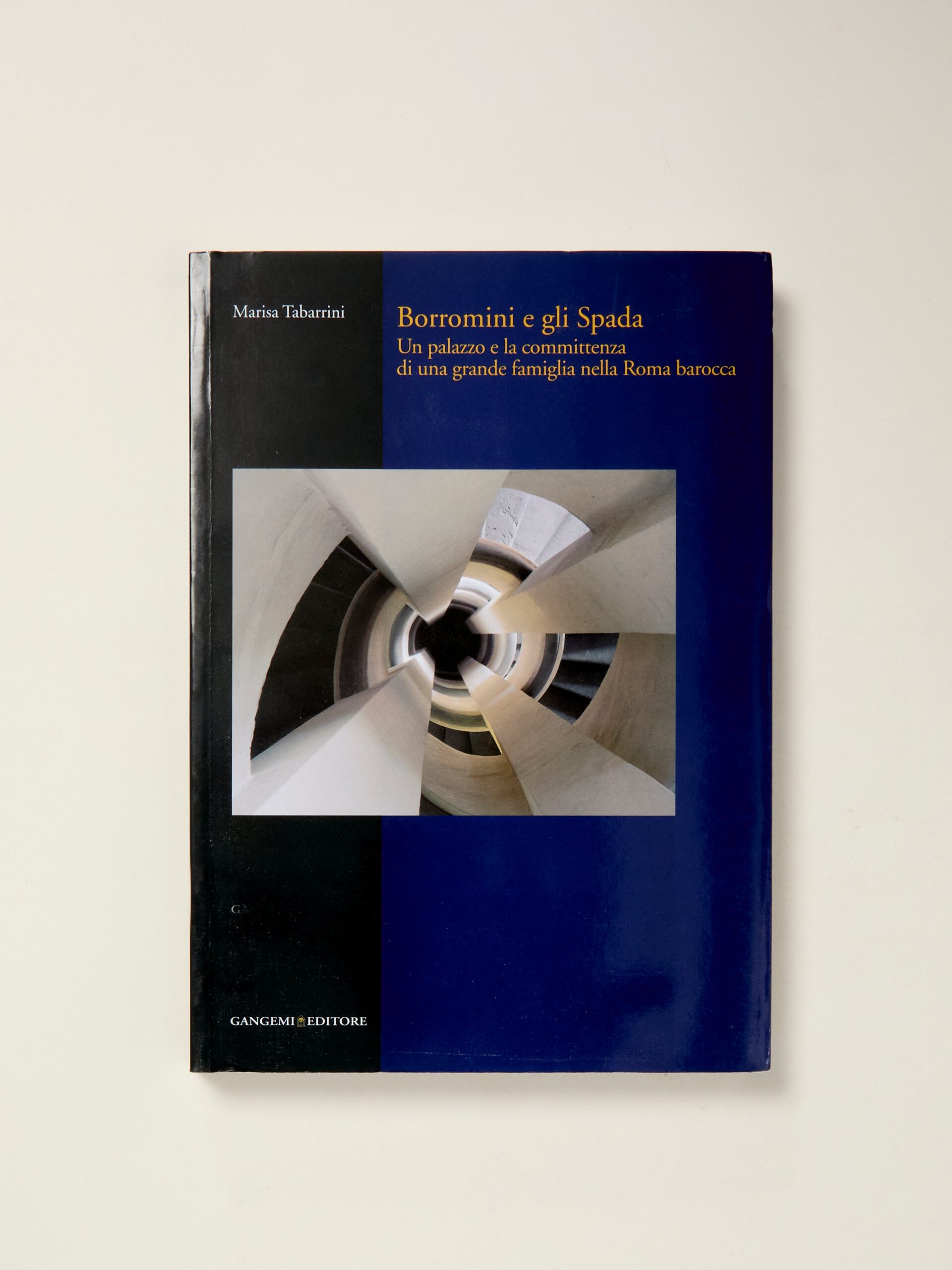
Borromini e gli Spada: Un palazzo e la committenza di una grande famiglia nella Roma barocca

Community Notes