by using her own Dominican-American story as one example
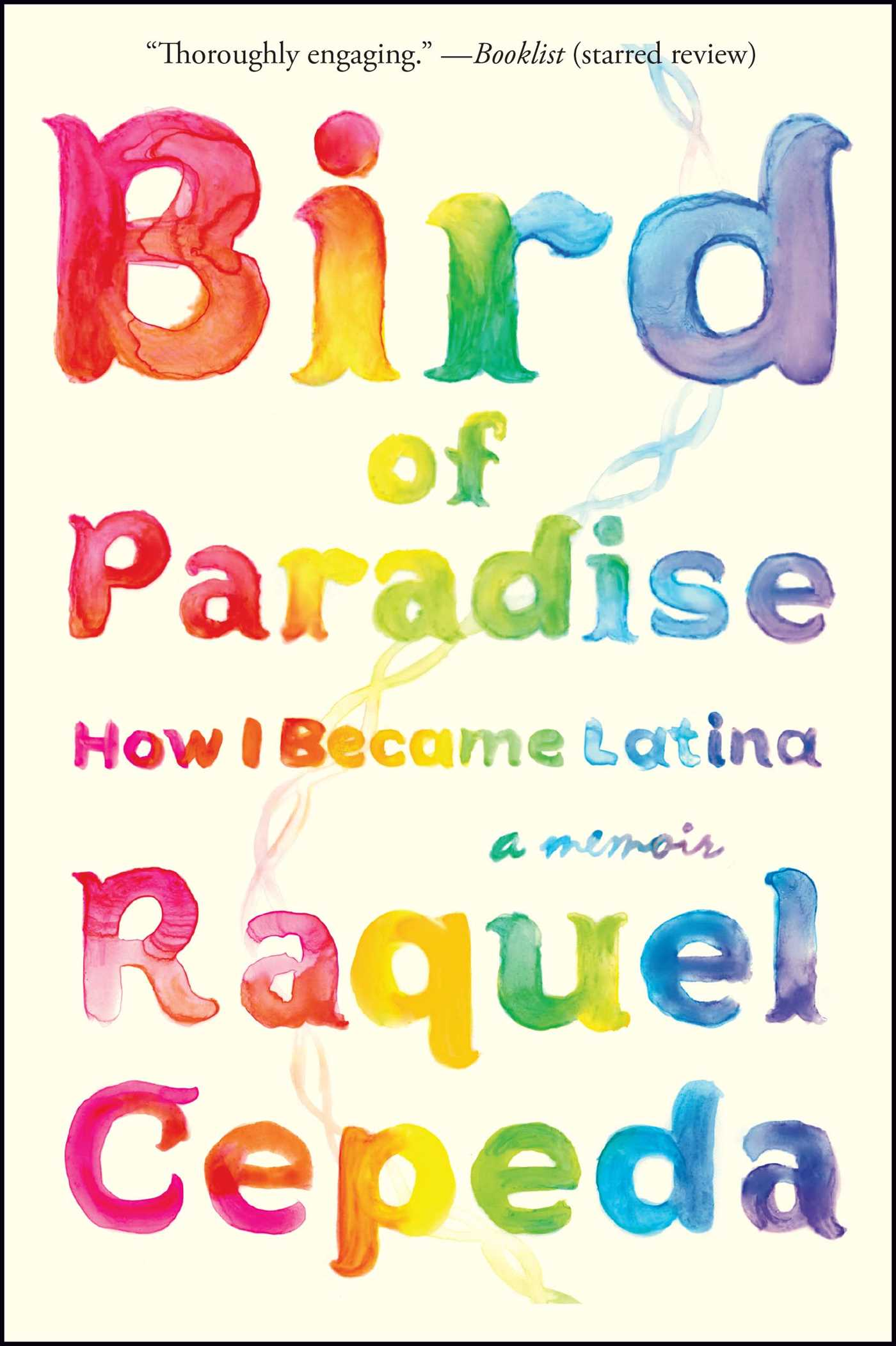
Digging through memories long buried, Cepeda journeyed not only into her ancestry but also into her own history. Born in Harlem to Dominican parents, she was sent to live with her maternal grandparents in the Paraíso (Paradise) district in Santo Domingo while still a baby. It proved to be an idyllic reprieve in her otherwise fraught childhood. Paraíso came to mean family, home, belonging. When Cepeda returned to the US, she discovered her family constellation had changed. Her mother had a new, abusive boyfriend, who relocated the family to San Francisco. When that relationship fell apart, Cepeda found herself back in New York City with her father and European stepmother: attending tennis lessons and Catholic schools; fighting vicious battles with her father, who discouraged her from expressing the Dominican part of her hyphenated identity; and immersed in the ’80s hip-hop culture of uptown Manhattan. It was in these streets, through the prism of hip-hop and the sometimes loving embrace of her community, that Cepeda constructed her own identity. Years later, when Cepeda had become a successful journalist and documentary filmmaker, the strands of her DNA would take her further, across the globe and into history. Who were her ancestors? How did they—and she—become Latina? Her journey, as the most unforgettable ones often do, would lead her to places she hadn’t expected to go. With a vibrant lyrical prose and fierce honesty, Cepeda parses concepts of race, identity, and ancestral DNA among Latinos by using her own Dominican-American story as one example, and in the process arrives at some sort of peace with her father. Bird of Paradise: How I Became Latina Paperback: 336 pages Publisher: Atria Books; Reprint edition (February 4, 2014) Language: English ISBN-10: 9781451635874 Product Dimensions: 5.5 x 0.9 x 8.4 inches Shipping Weight: 9.9 ounces
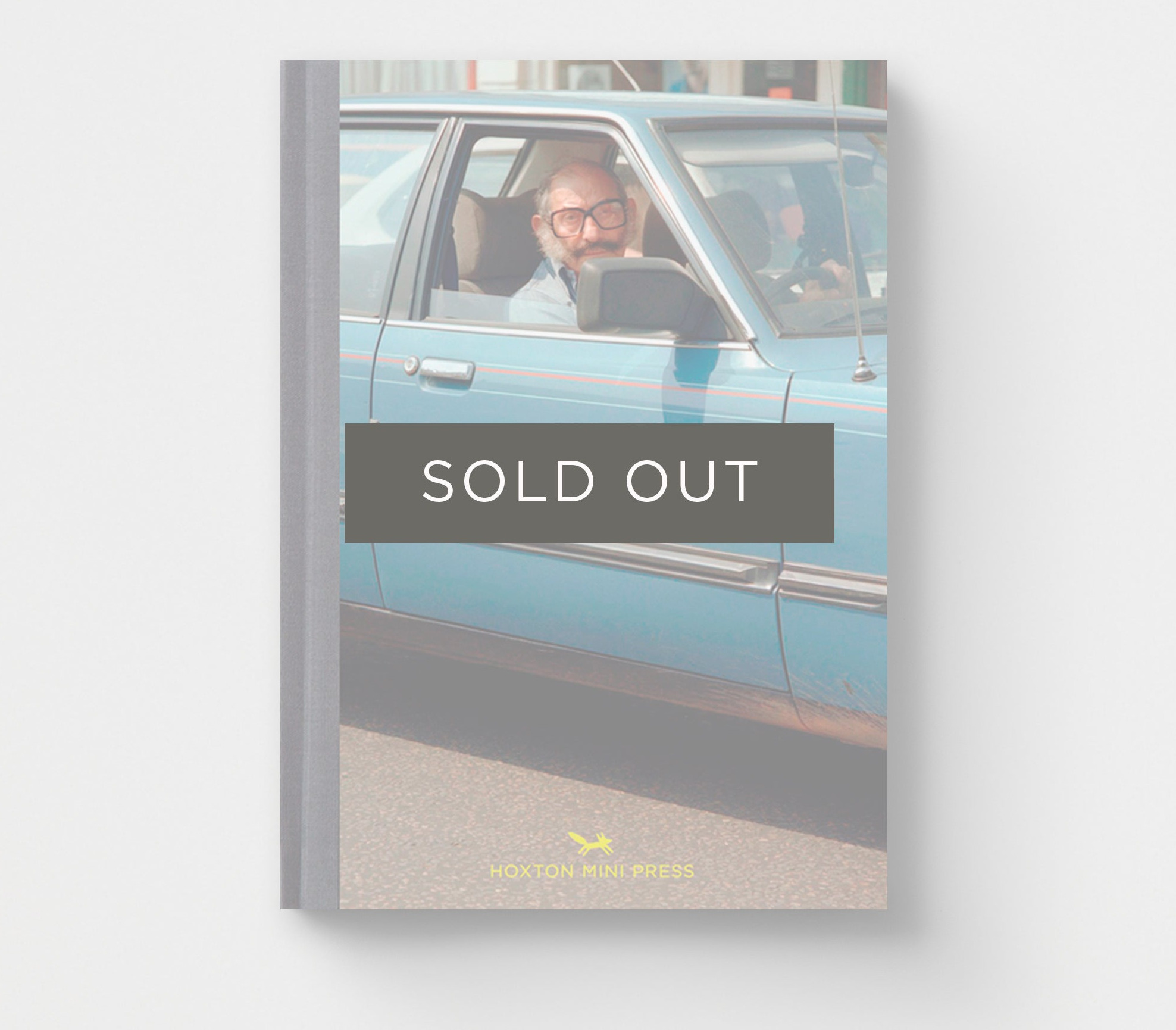
Drivers In The 1980s (Book 6: East London Photo Stories)
by Chris Dorley-Brown
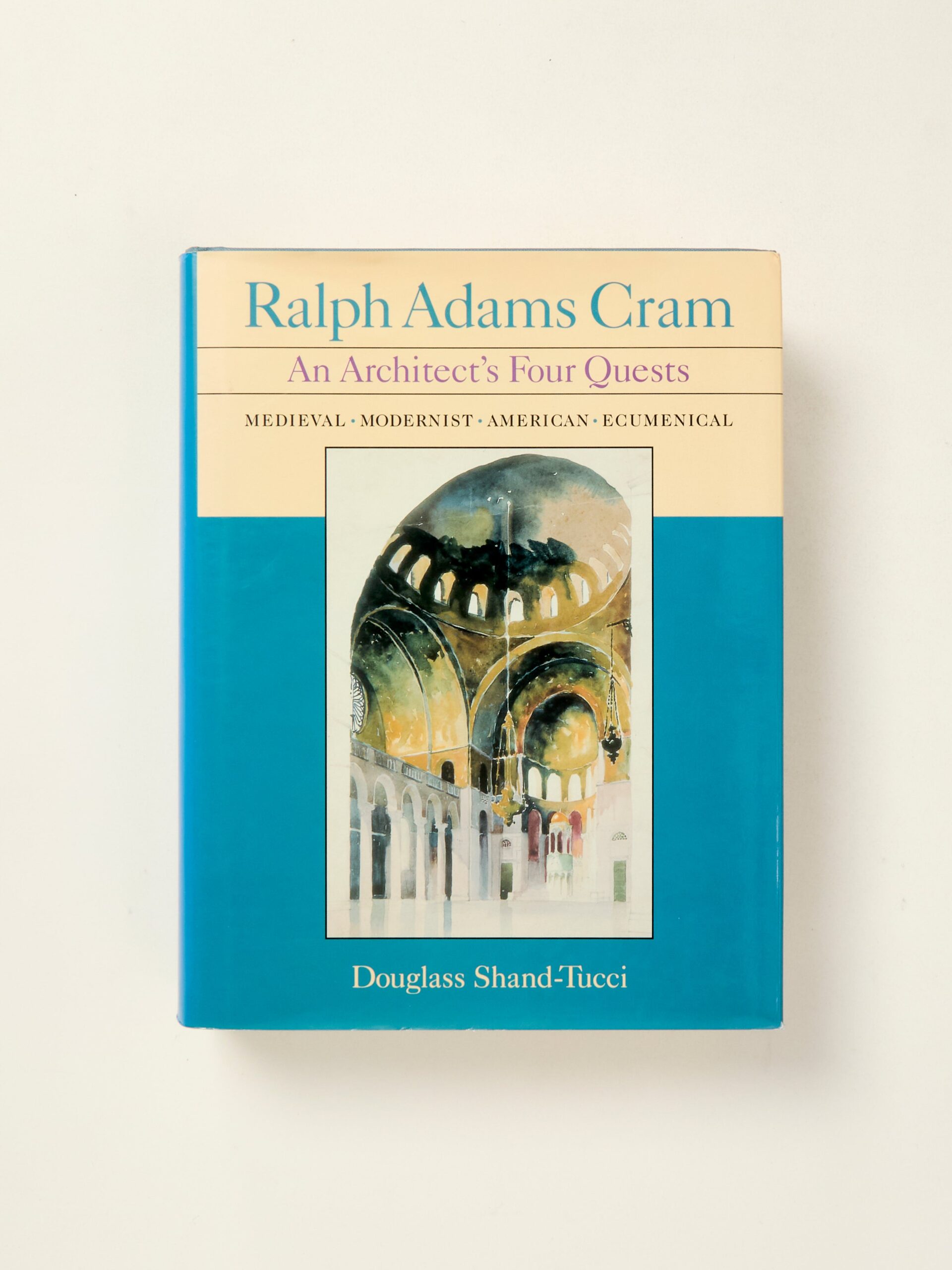
Ralph Adams Cram: An Architect’s Four Quests
by the 1920s Cram had become a household name
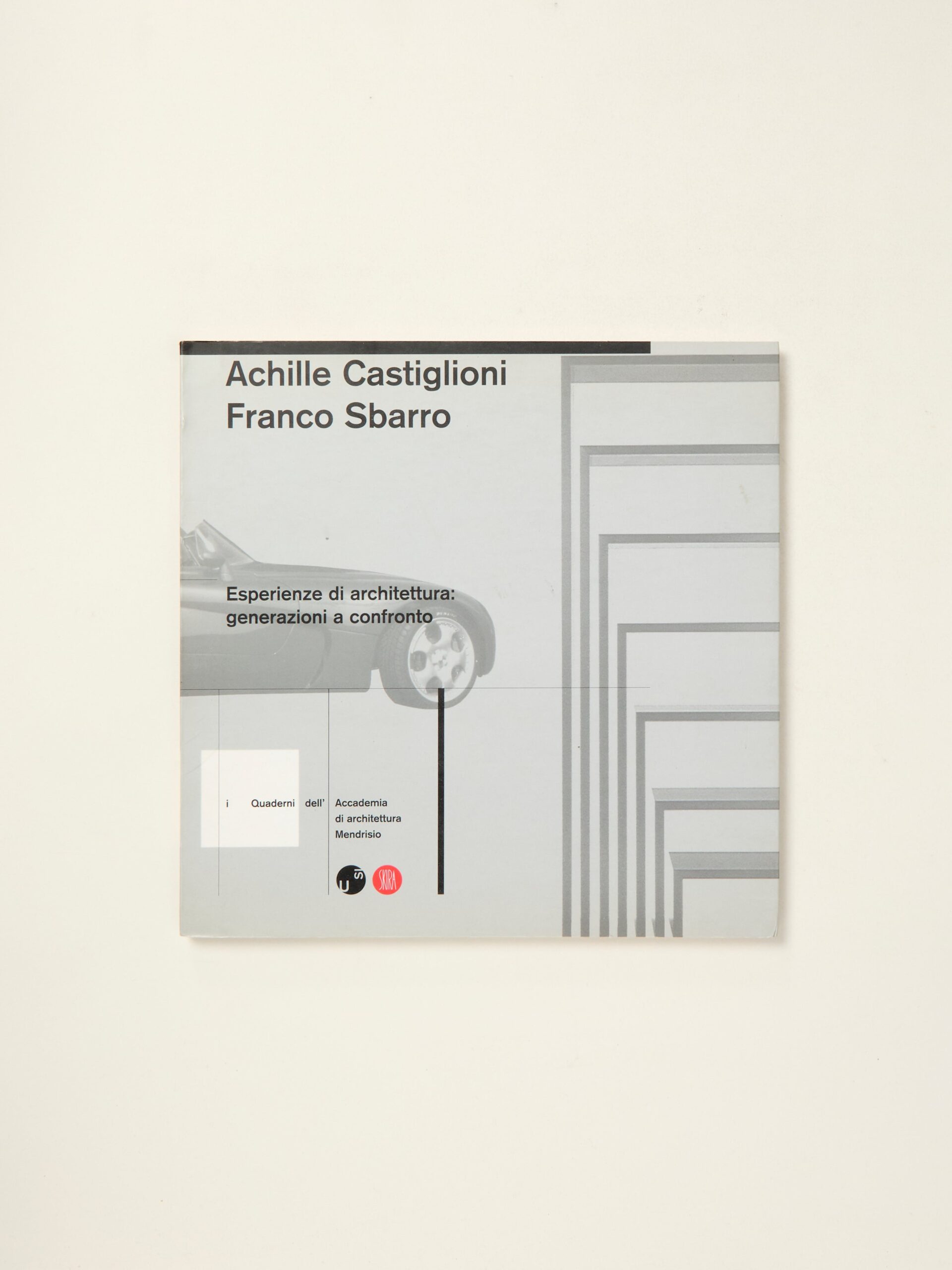
Achille Castiglioni, Franco Sbarro: Esperienze di architettura : generazioni a confronto (I quaderni dell’Accademia di architettura Mendrisio) (Italian Edition)
by Achille Castiglioni
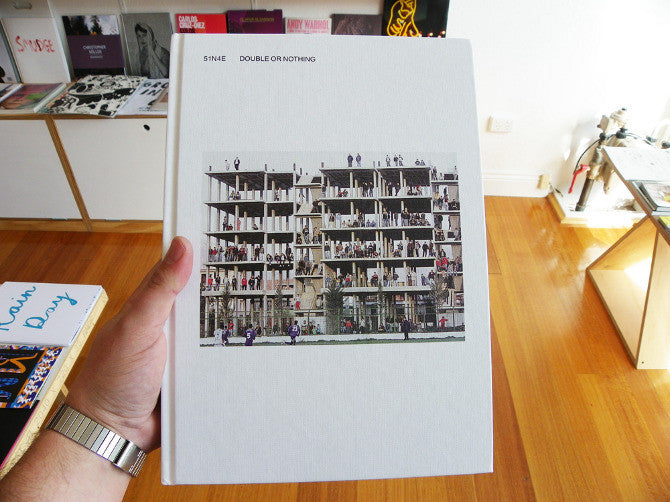
51N4E – Double or Nothing
by Architectural Association London
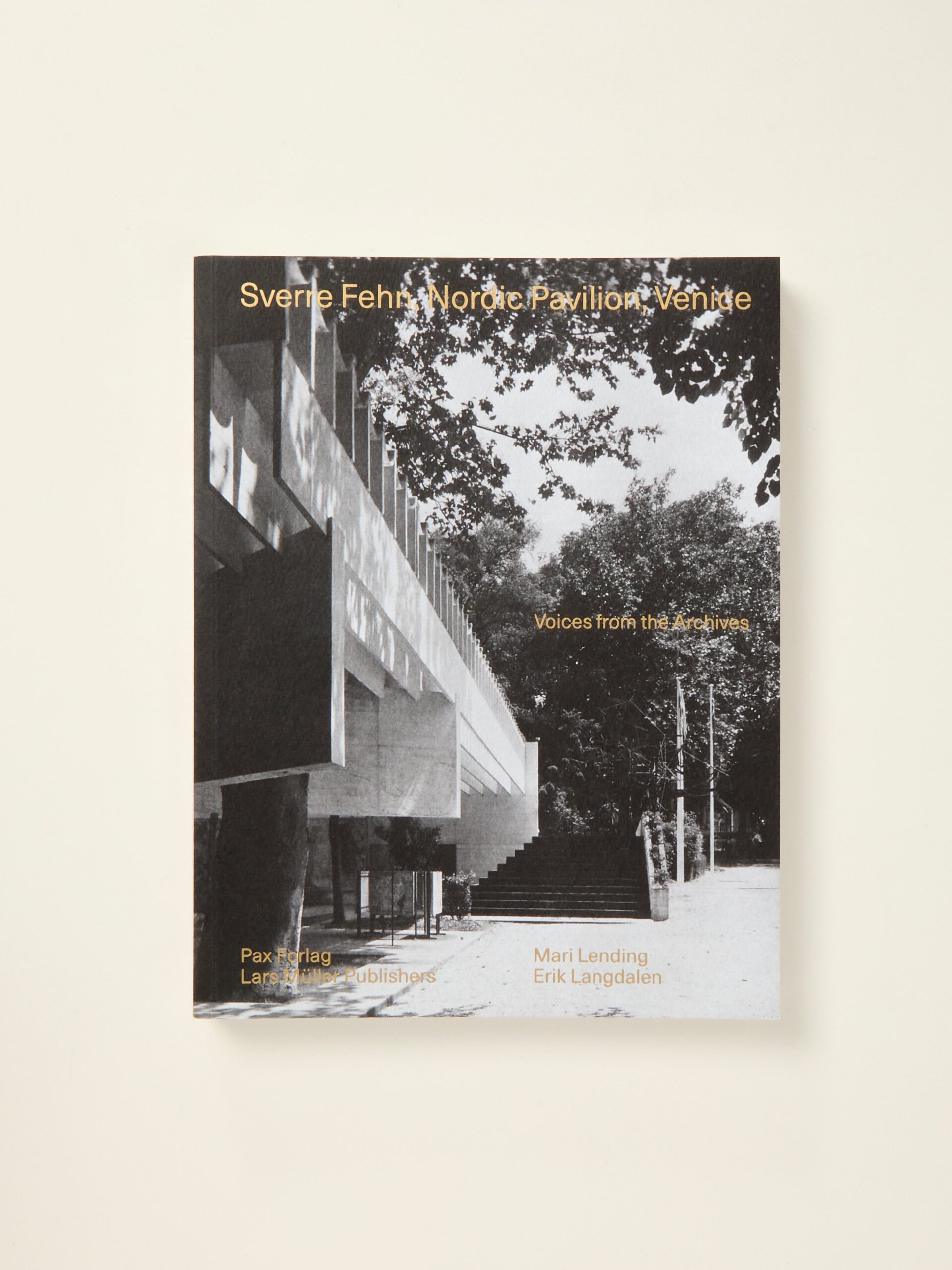
Sverre Fehn: Nordic Pavilion, Venice: Voices from the Archives
by Sverre Fehn
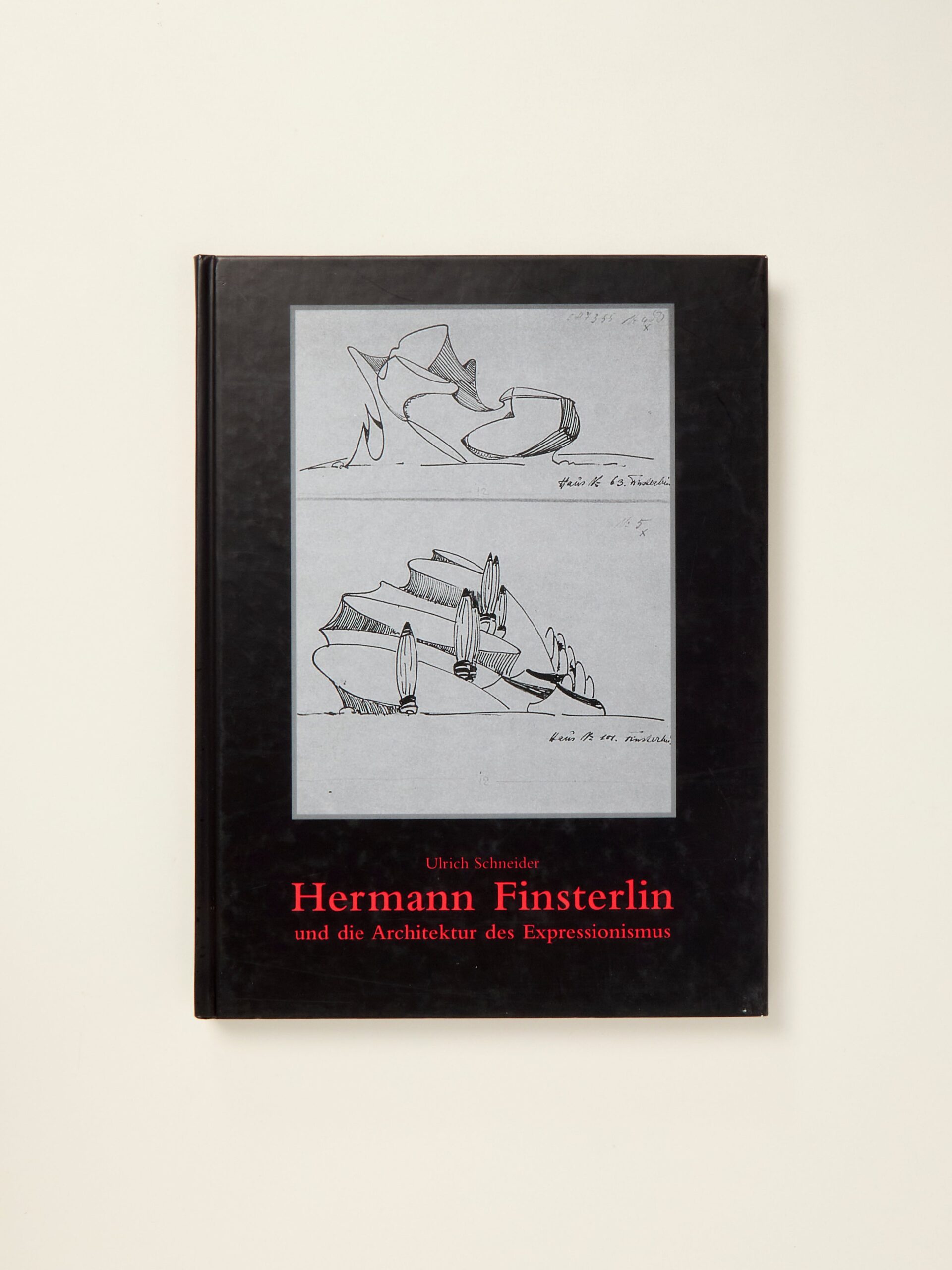
Hermann Finsterlin: und die Architektur des Expressionismus
by Hermann Finsterlin
Dafy Hagai – Israeli Girls
by Dafy Hagai -
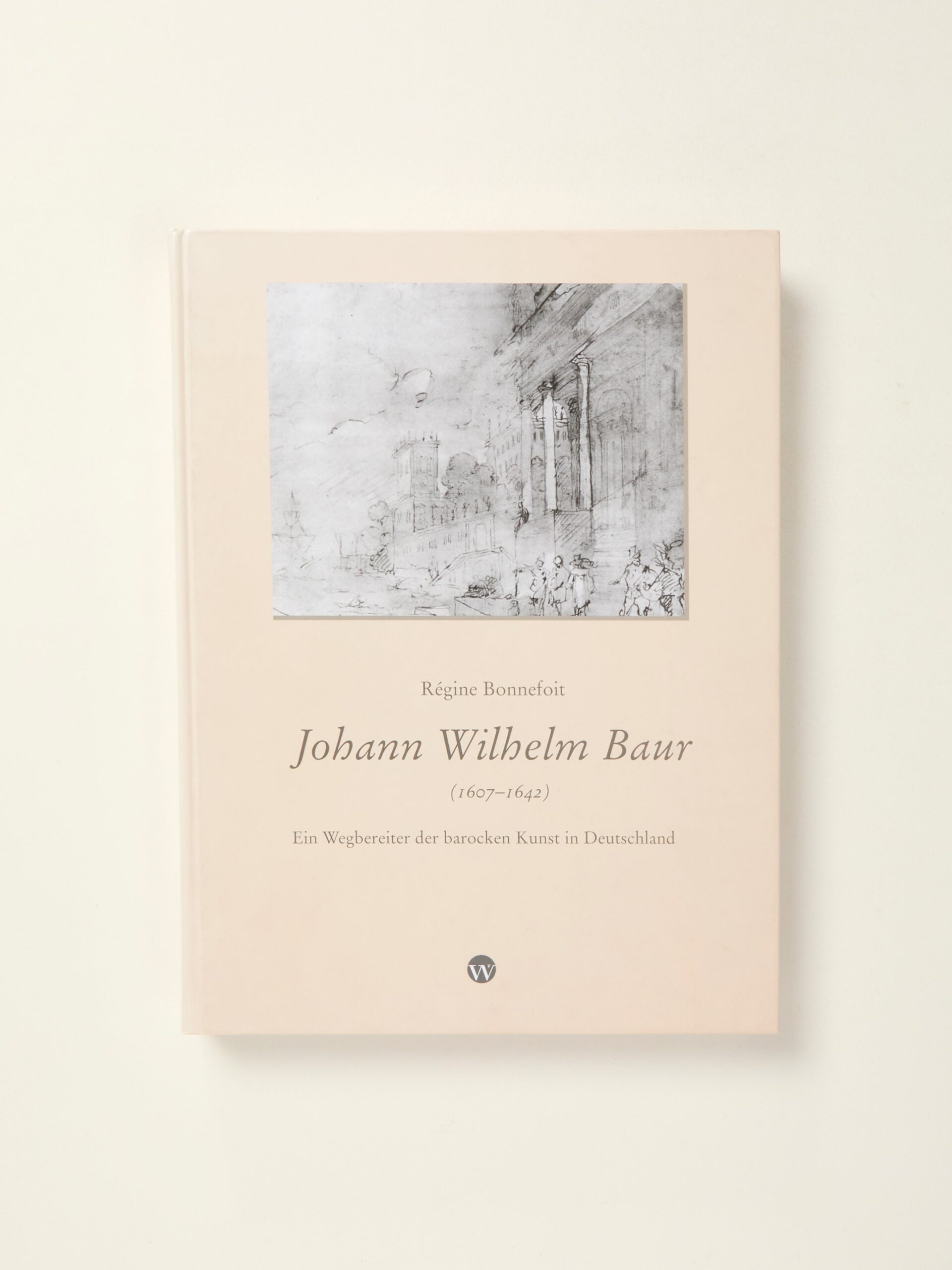
Johann Wilhelm Baur (1607-1642): Ein Wegbereiter der barocken Kunst in Deutschland
by Johann Wilhelm Baur (1607-1642)
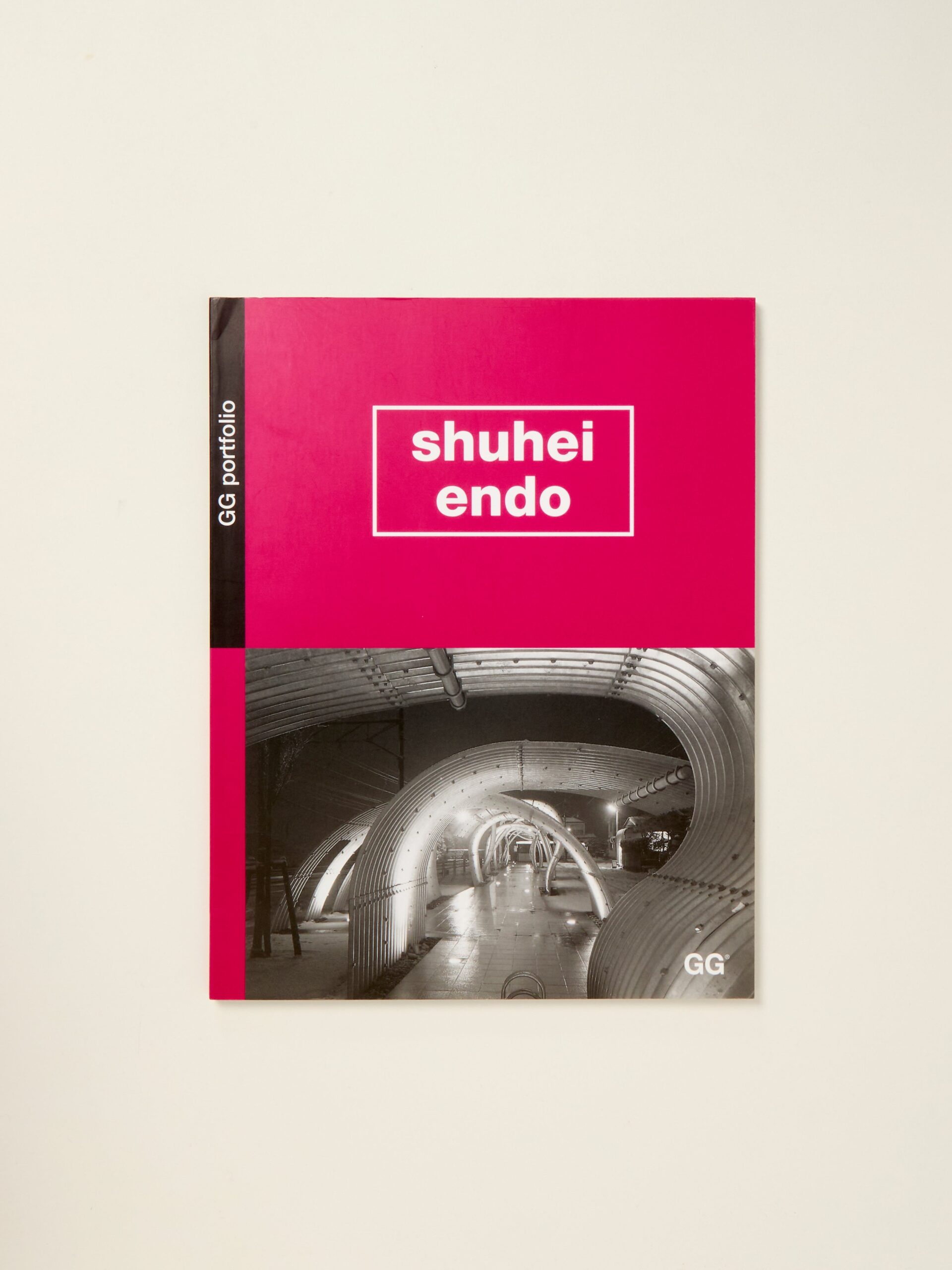
Shuhei Endo
by Endo Shuhei
PHILLIP TOLEDANO: A New Kind Of Beauty
by contemporary culture? By history? Or is it defined by the surgeon's hand? When we re-make ourselves
Devanthéry & Lamunière: Four Examples
by these two architects should
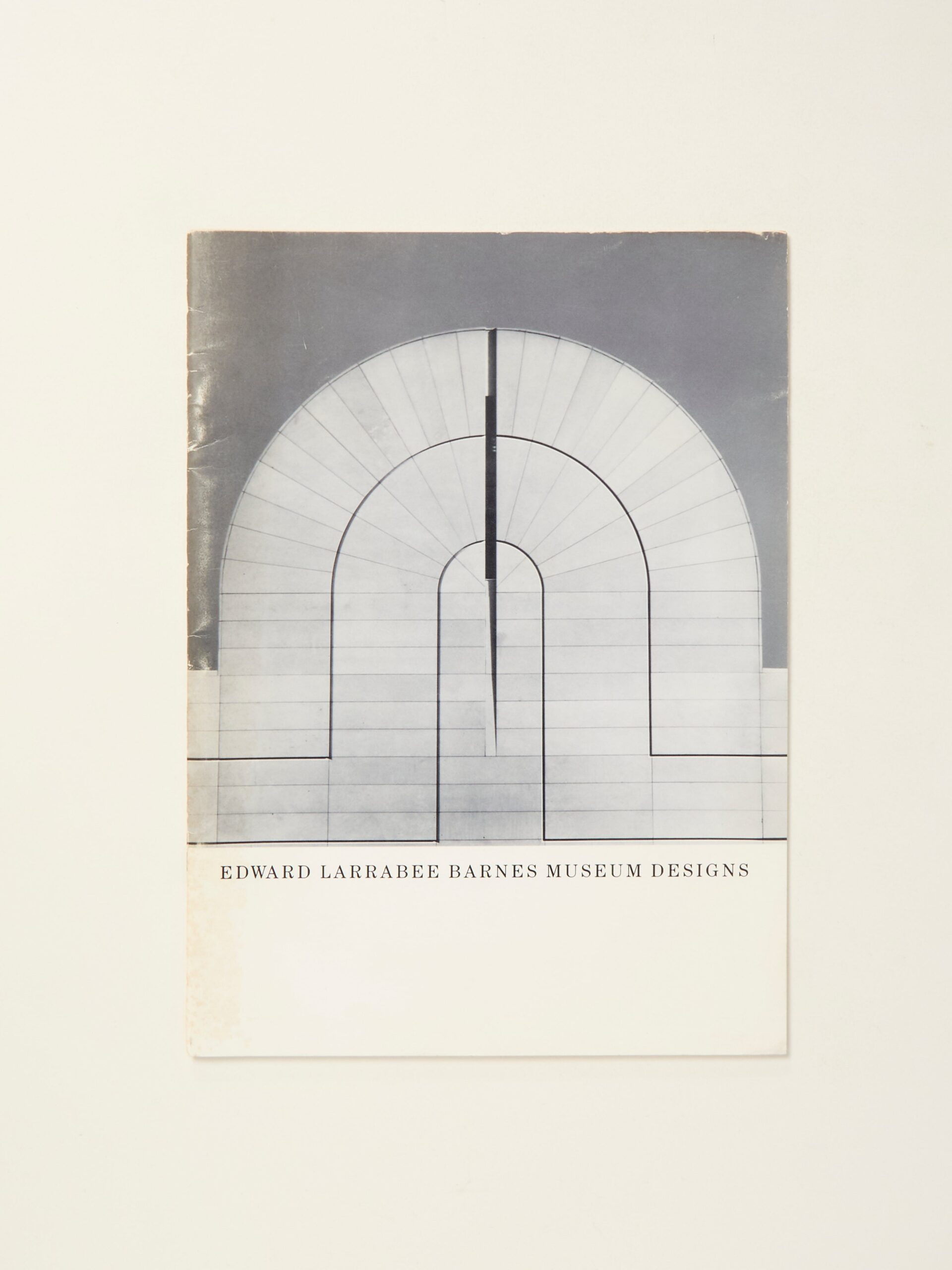
Edward Larrabee Barnes Museum Designs: March 22 – May 24, 1987/The Katonah Gallery






Community Notes