This website uses cookies.
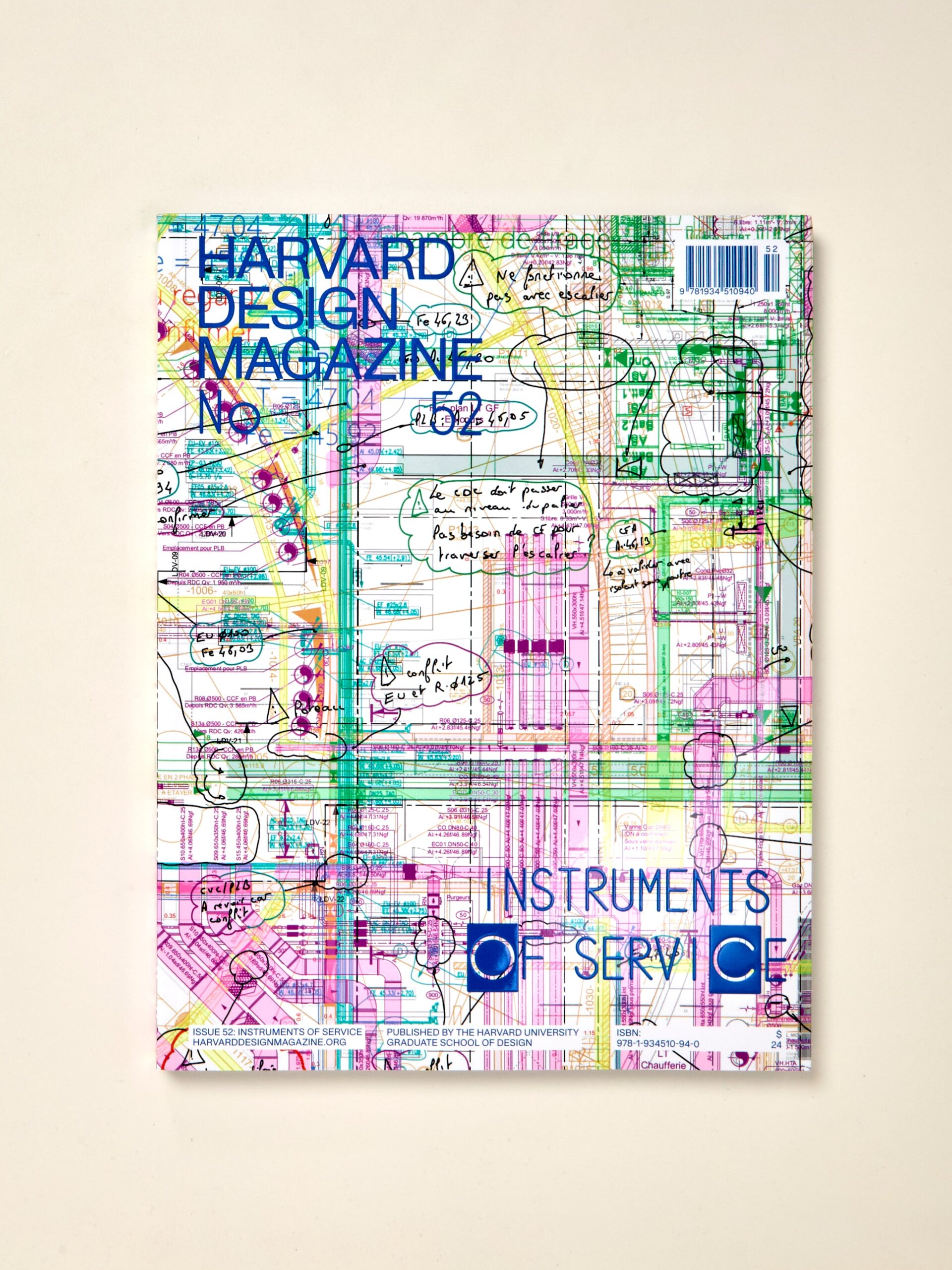
Harvard Design Magazine Issue 52: Instruments of Service cover

Harvard Design Magazine Issue 52: Instruments of Service

by

At a moment when the word “design” has come to refer to everything and thus nothing, this issue examines the hidden mechanics and visible output of design practice in order to track the shifting role of designers in society and to gauge the capacity of designers to effect change in a world of mounting crises. The issue poses a simple question: What do architects actually make and how is this changing? Guest edited by Elizabeth Bowie Christoforetti and Jacob Reidel, assistant professors in practice of architecture at the Harvard Graduate School of Design, issue 52’s exploration is grounded in architecture. Once upon a time asserted to be the “mother art” (Frank Lloyd Wright) and as “the ultimate goal of all creative activity” (Walter Gropius’s introduction to his Bauhaus Manifesto), but over the past century it has lost its purchase on such sweeping and grandiose claims to creative primacy and world-building. At the same time, however, architecture remains a ubiquitous point of reference for a wide range of disciplines, practices, and protagonists that influence the design of the things we use and the environments we inhabit—including fields not only directly related to architecture such as landscape architecture, urban planning, and urban design, but also fashion, industrial design, graphic design, and digital design. The issue’s title, Instruments of Service, carries a double meaning. As defined in standard American Institute of Architects contracts, “Instruments of Service are representations, in any medium of expression now known or later developed, of the tangible and intangible creative work performed by the Architect and the Architect’s consultants under their respective professional services agreements. Instruments of Service may include, without limitation, studies, surveys, models, sketches, drawings, specifications, and other similar materials.” Instruments of service are the instruction manuals that architects—and other designers—make so that others can make something. They define the architect’s relationships with labor, construction, clients, and society. And these relationships—along with the agency of architectural practice—are changing as a growing number of external pressures force instruments of service to change. Architects and designers can also be seen as instruments of service to society, responsible to a continually shifting set of values. At a fundamental level, the designer’s job is to imagine and articulate a better future. In a time of crisis and competing value systems—market returns, cultural relevance, environmental response, social equity, automation—the role of the designer in society is ever more important and increasingly accountable to divergent interests that call into question the raison d’être of design practice itself. In the end, what we make is inextricably tied to why and for whom we make it.
Publisher
Harvard Design Magazine
ISBN-13
9781934510940
Subjects
Magazineformat--softcoverIn stockready

  • Have:1
  • Want:
  • Avg Rating:
  • Ratings:

Who has this book

1 Connection

Recommendations

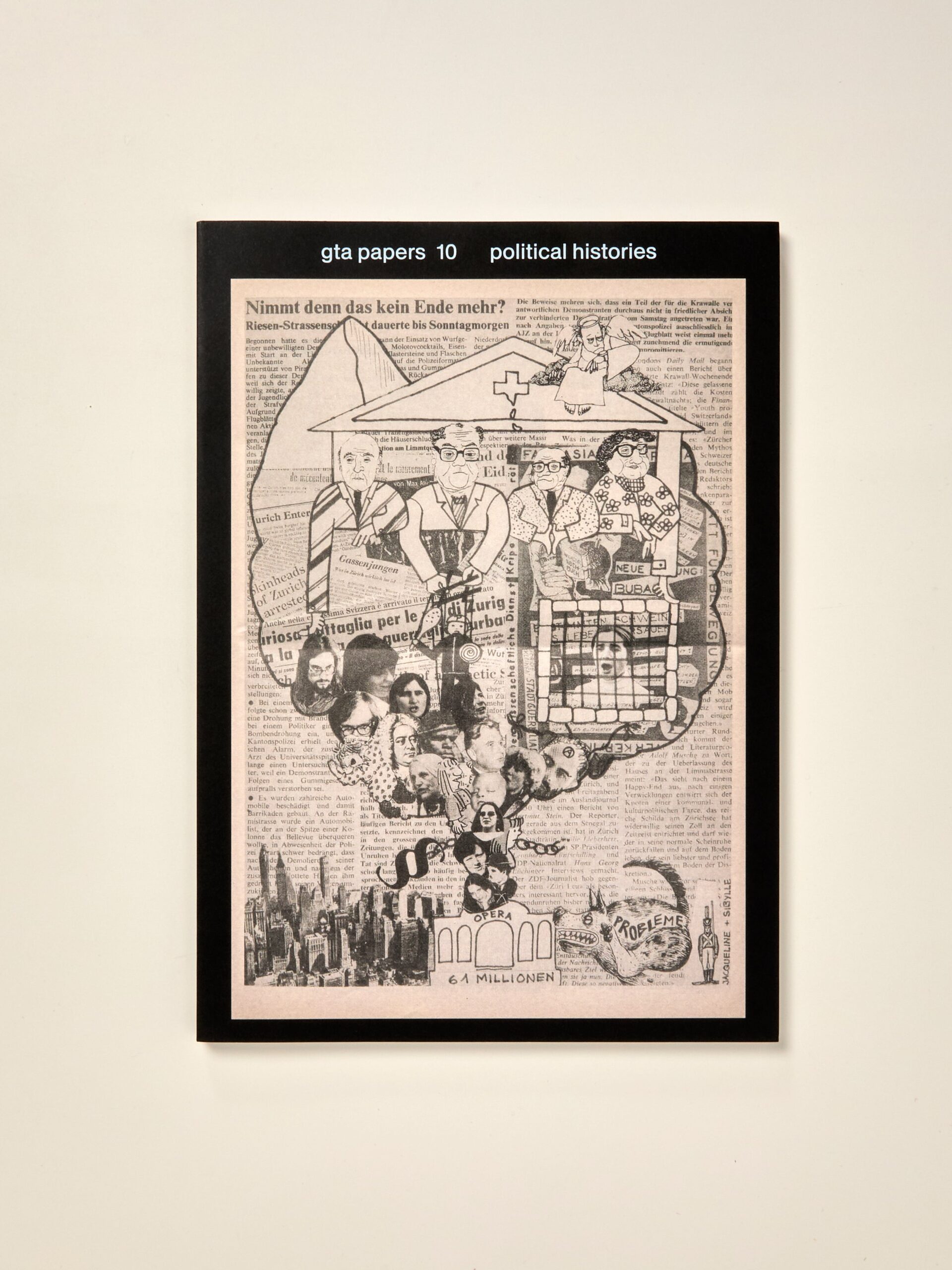
gta papers 10: Political Histories
by including political authors who directly address architecture and urban space
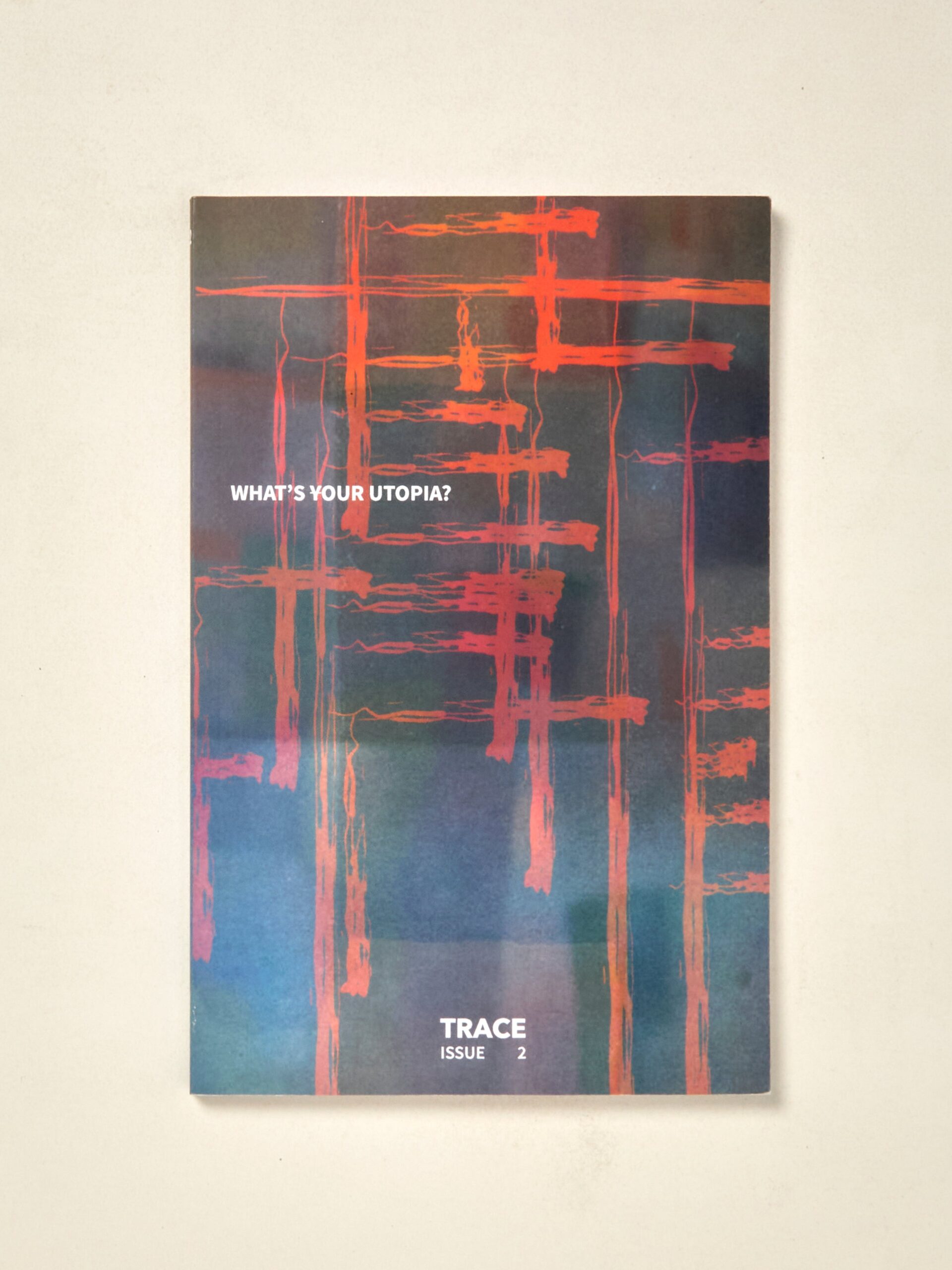
TRACE 2: What’s Your Utopia
by
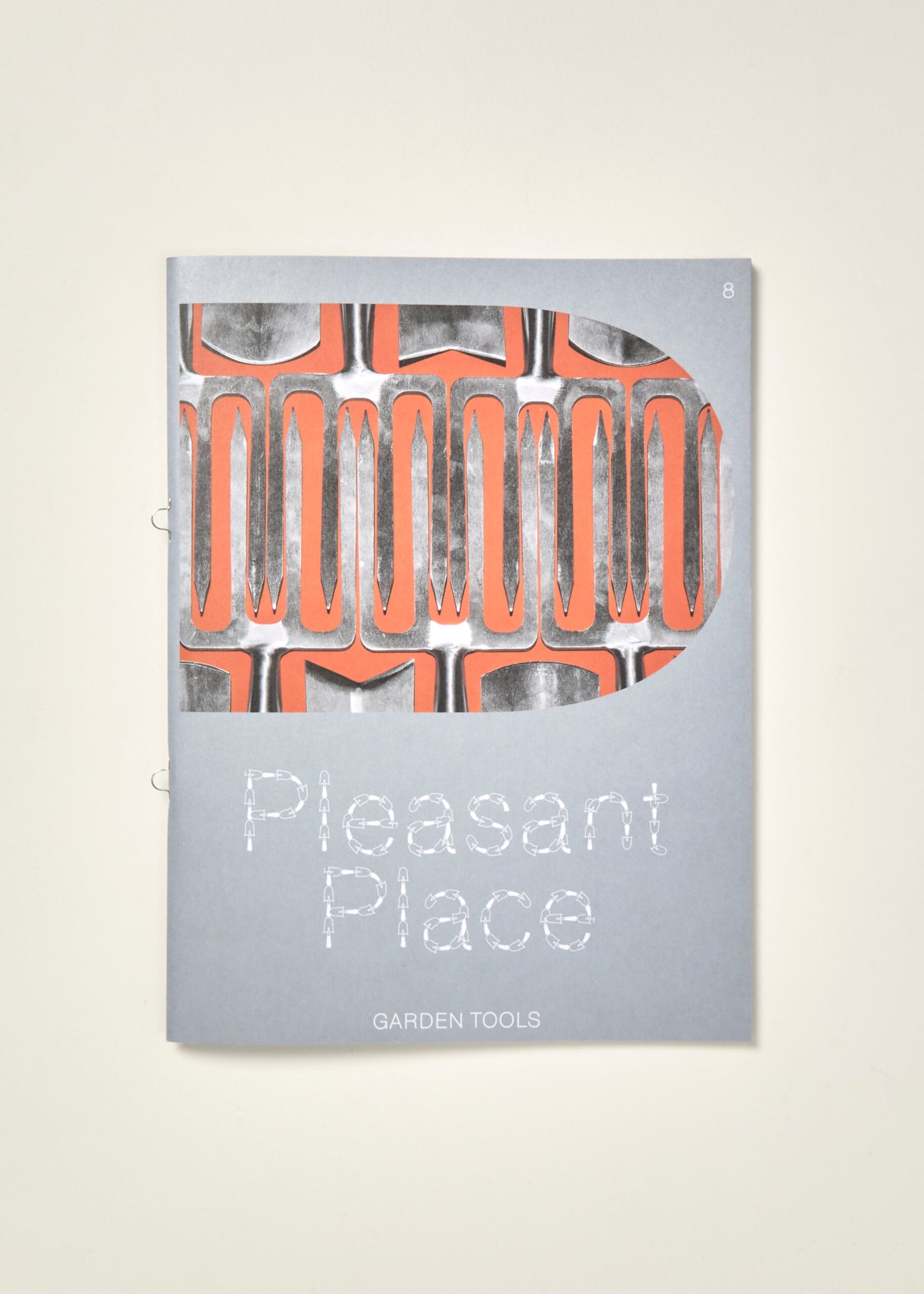
Pleasant Place 8: Garden Tools
by Norbert Peeters before diving into the world of garden tools: the essential
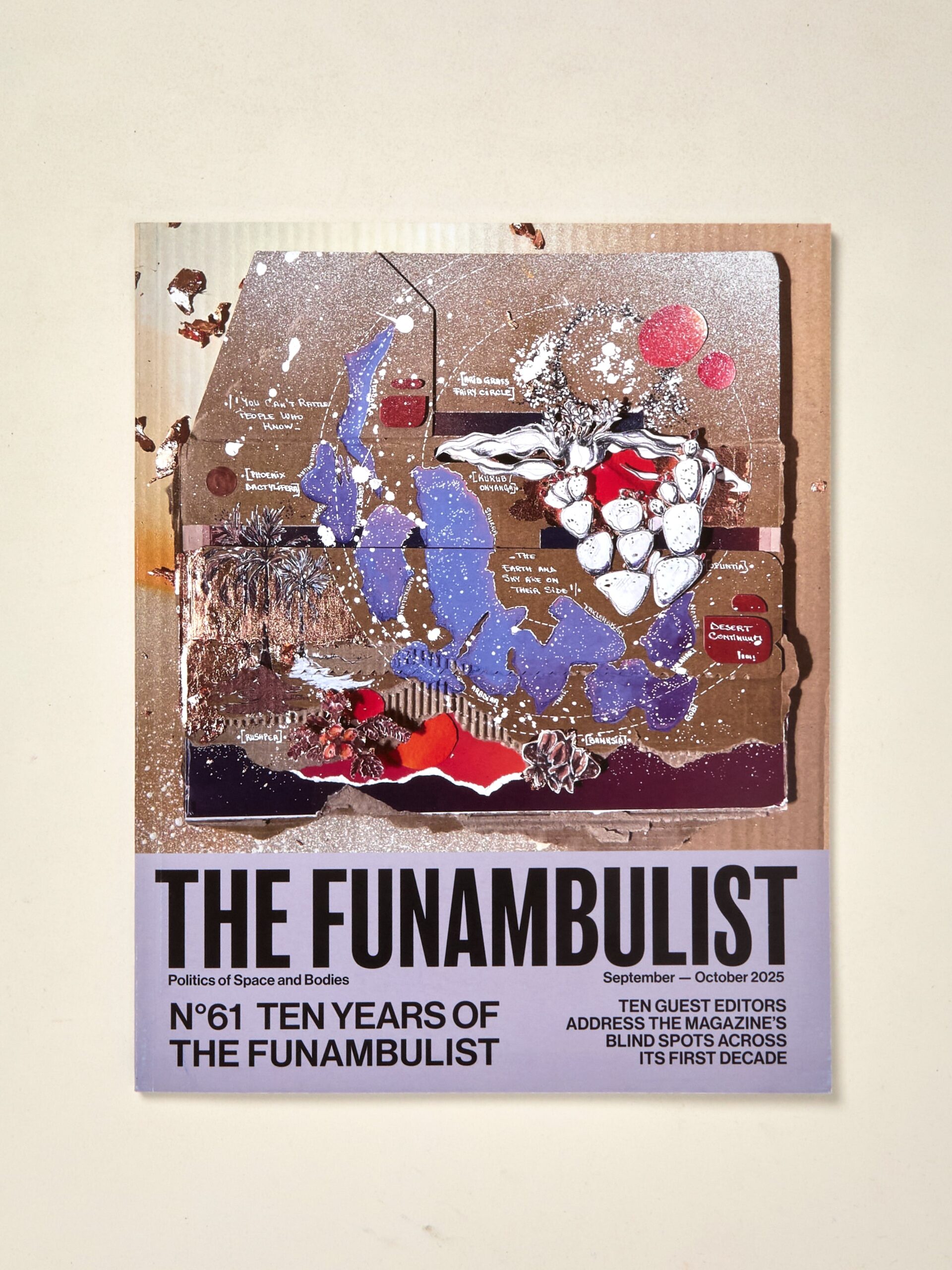
The Funambulist No. 61: Ten Years of the Funambulist
by our guest editors
DOMa 12
DOMa 12
by Maciej Domański
The Last Straw Issue No. 75: Beyond the Bale
by
GA Houses 121
GA Houses 121
by Castle
C3 439: Dancing Degree
by MannYoung Chung questions orthogonality through fluid design
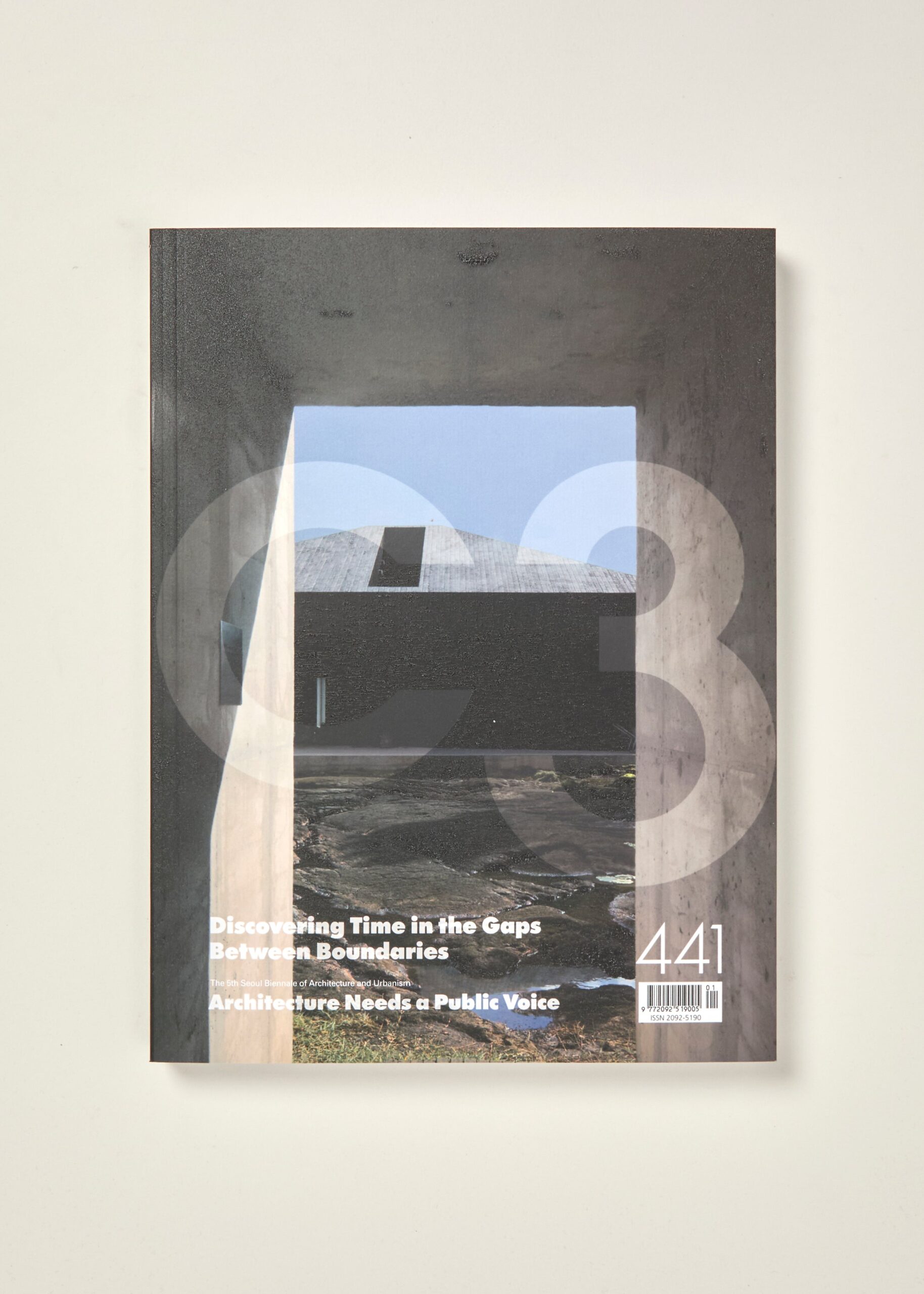
C3 441: Discovering Time in the Gaps Between Boundaries
by SOSU Architects
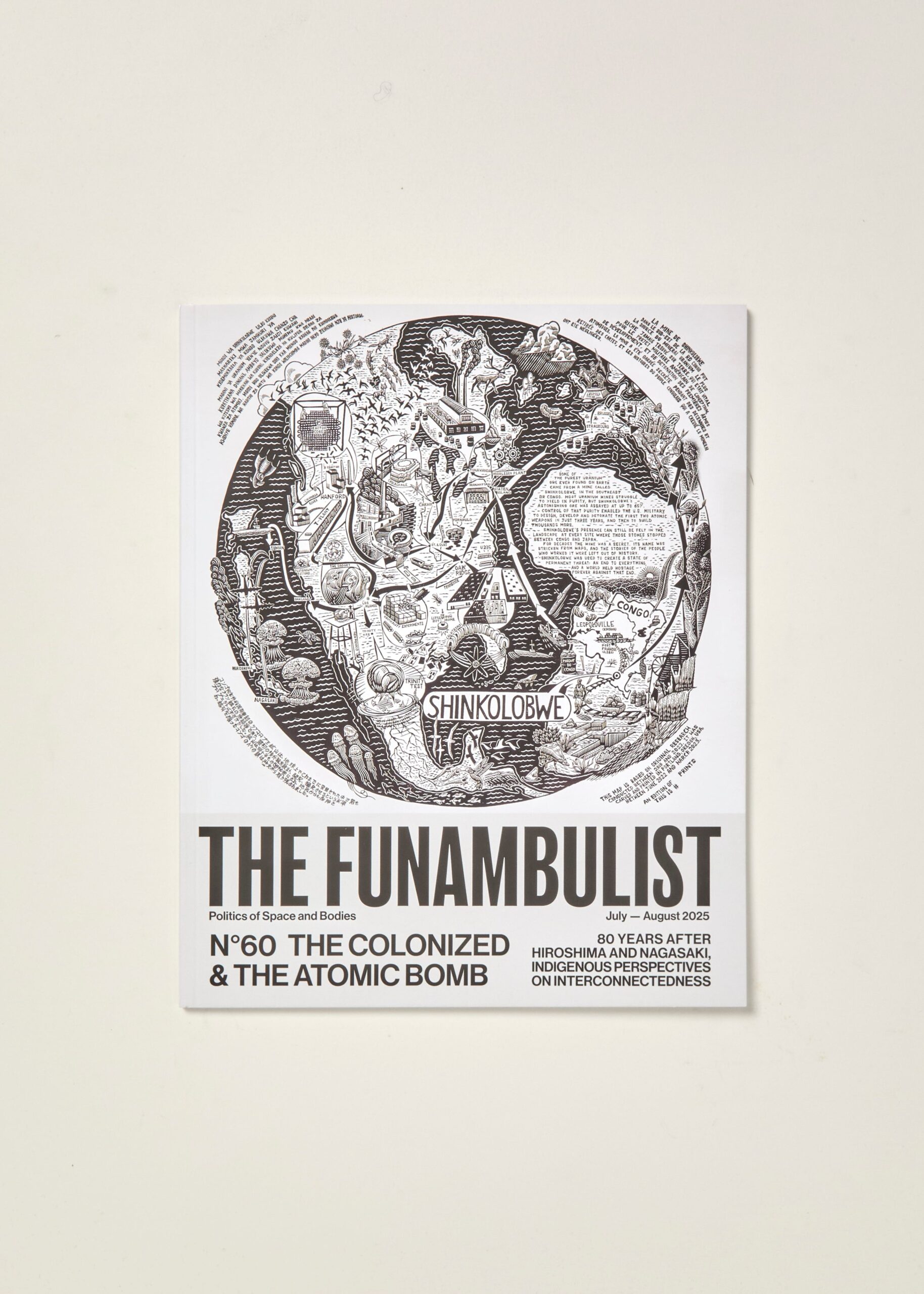
The Funambulist No. 60: The Colonized & the Atomic Bomb
by Tewa pueblos (whose land was stolen to build the Manhattan Project’s Los Alamos National Laboratory) and activists in Jap
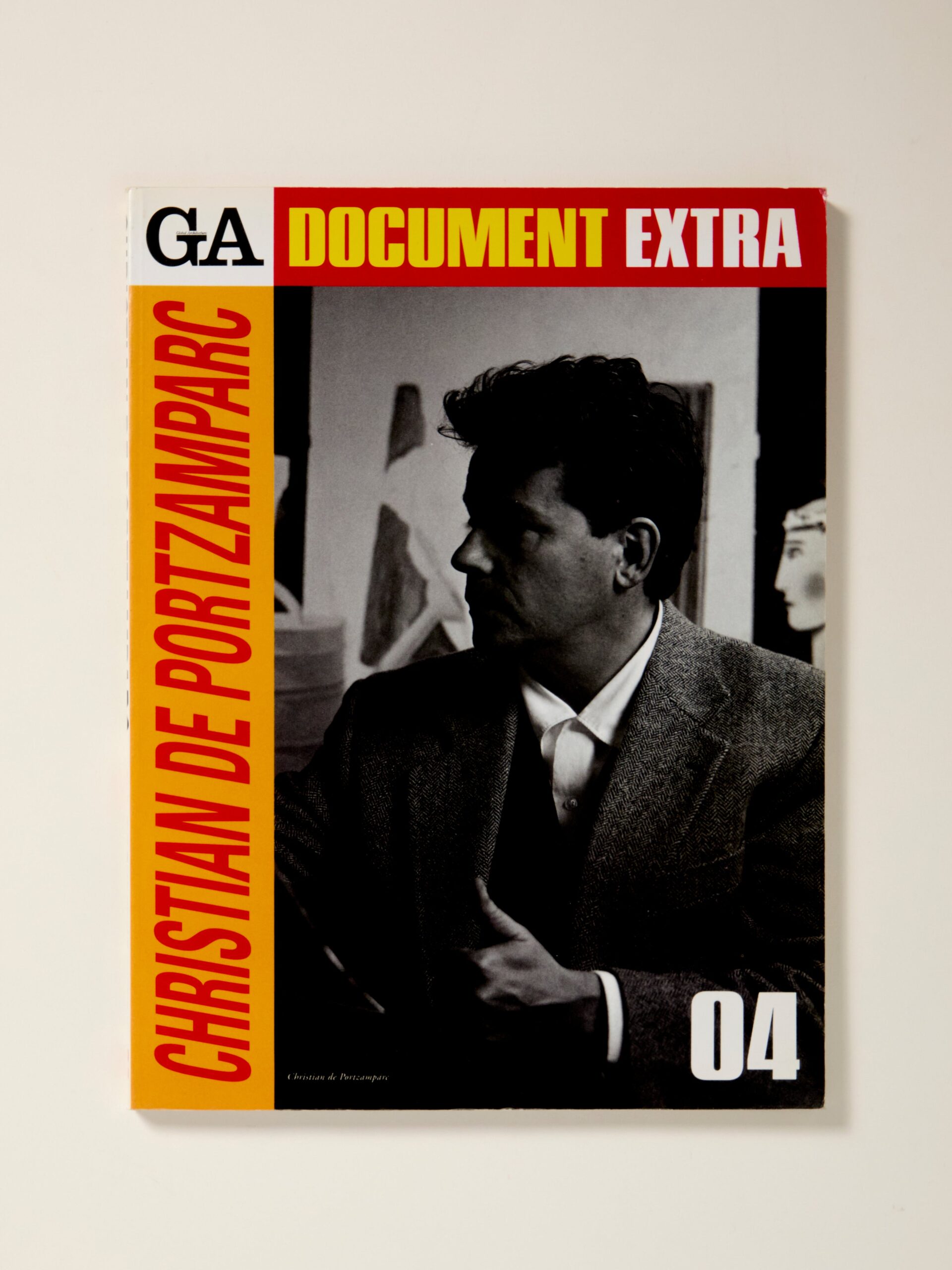
GA Document Extra 04: Christian de Portzamparc
by GA Document Extra 04
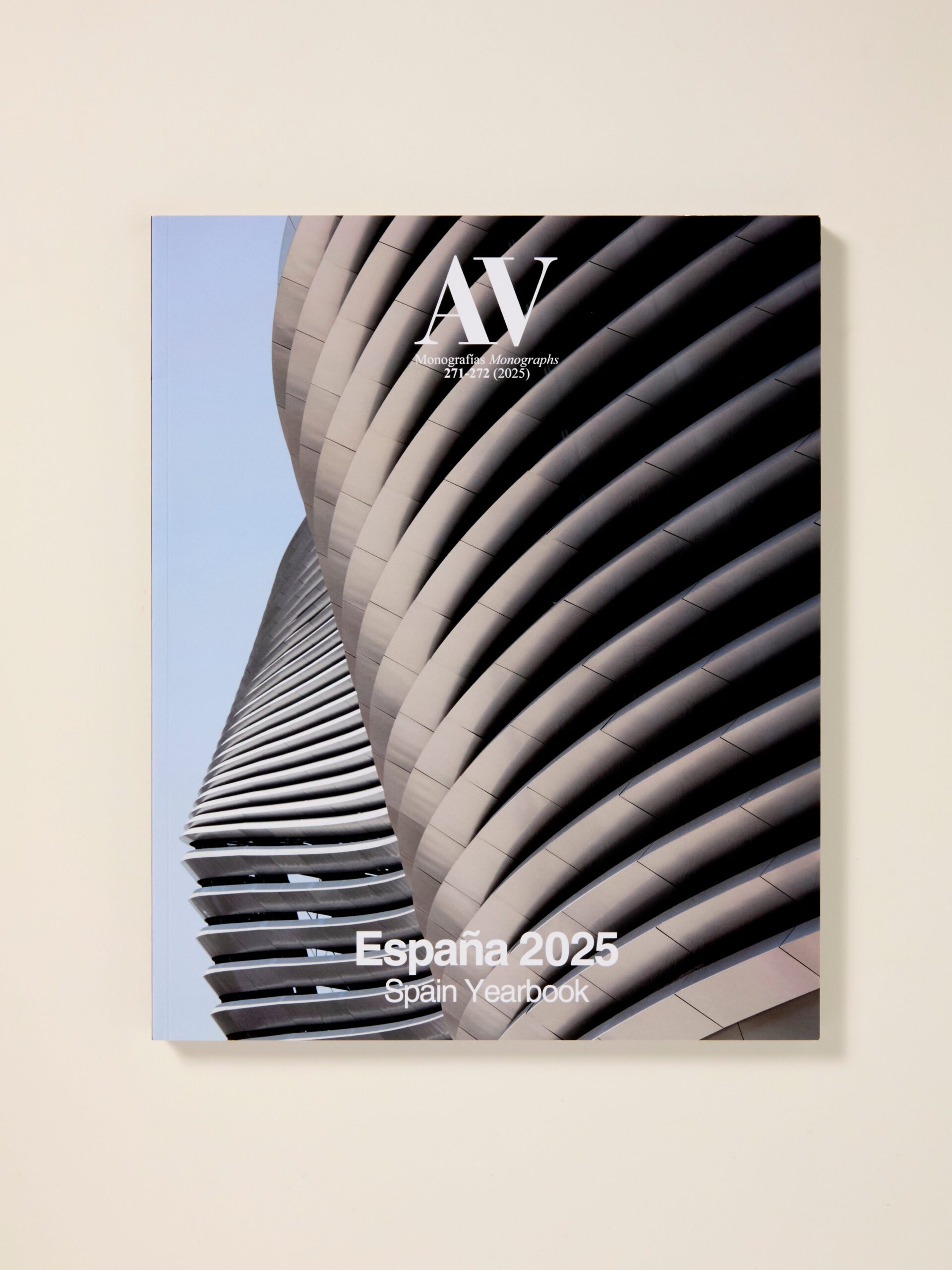
AV Monographs 271-272: Spain 2025
by Spanish architects
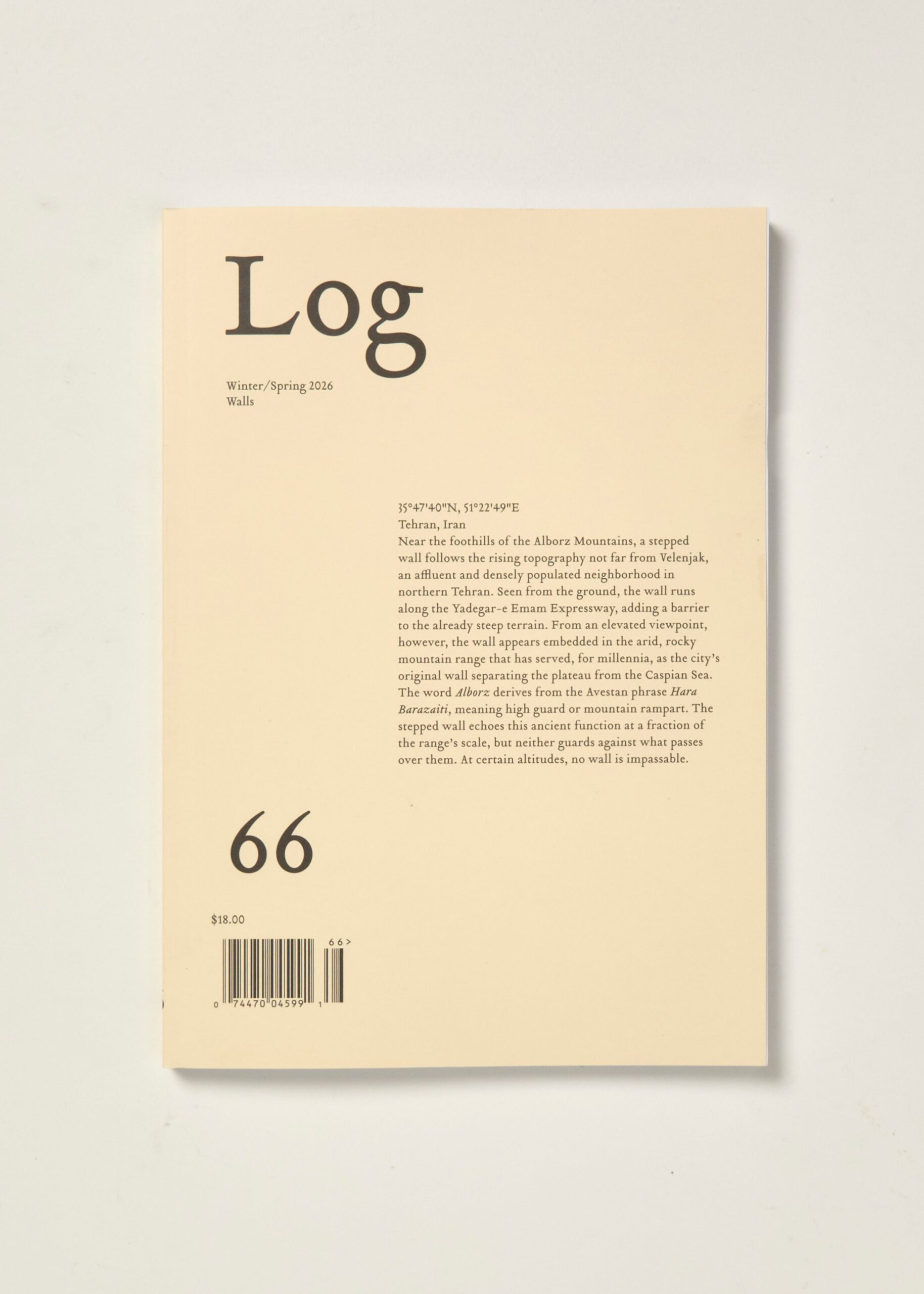
Log 66: Walls
Log 66: Walls
by drawing walls
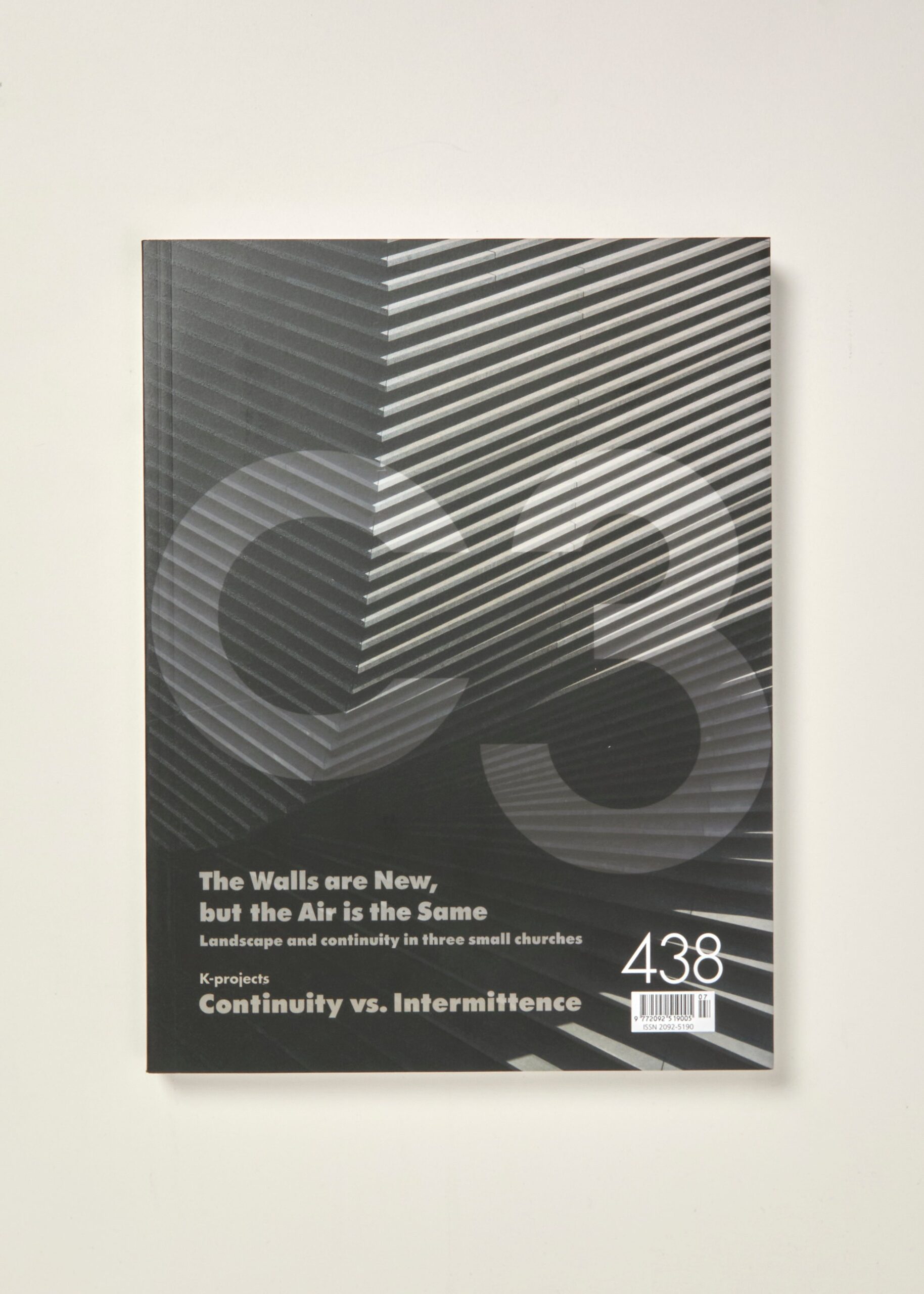
C3 438: The Walls are New but the Air is the Same
by Benedetta Tagliabue and EMBT Architects
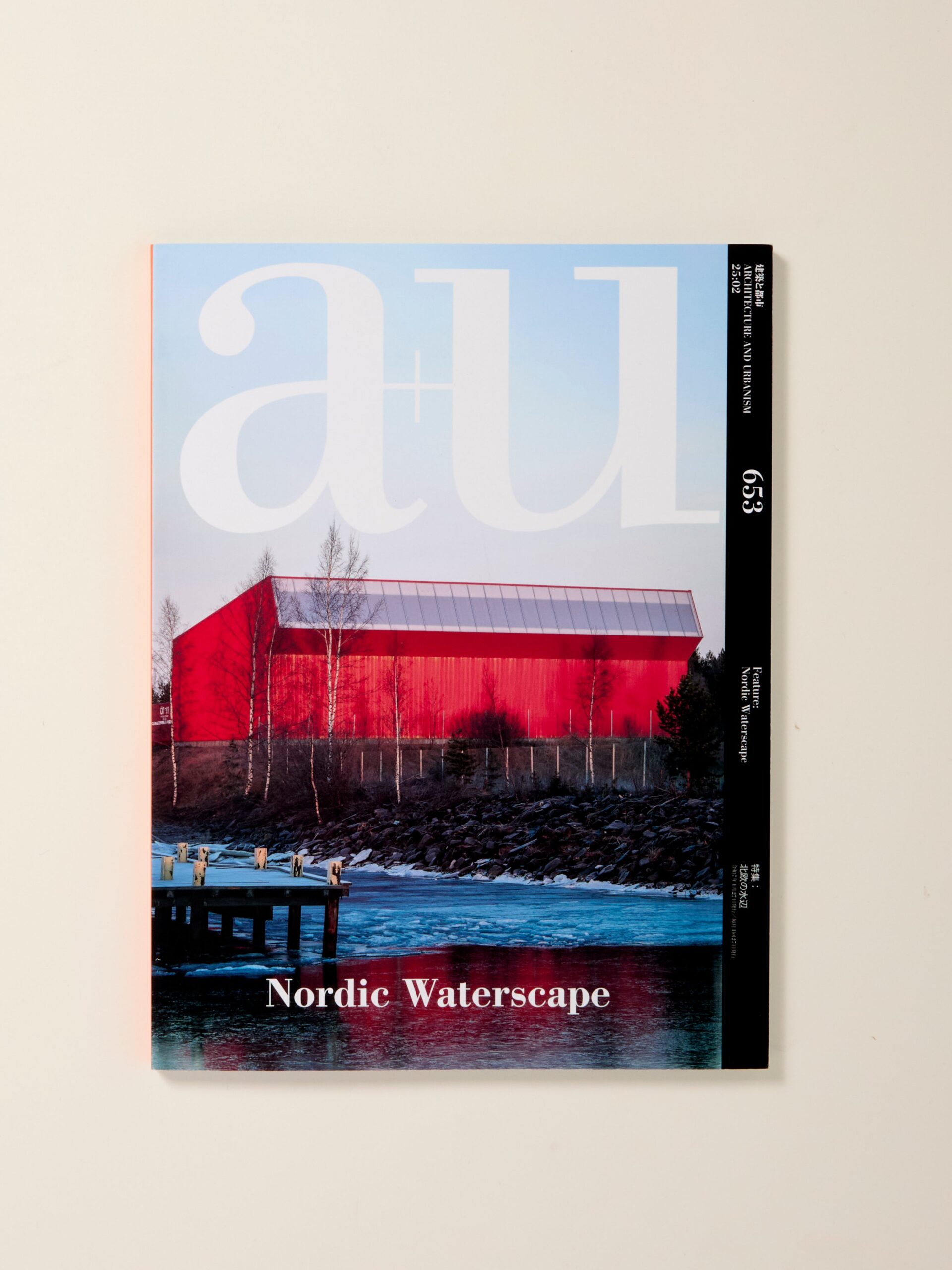
a+u 653 25:02 Nordic Waterscapes
by OOPEAA and Bademaschinen in Oslo by ACT
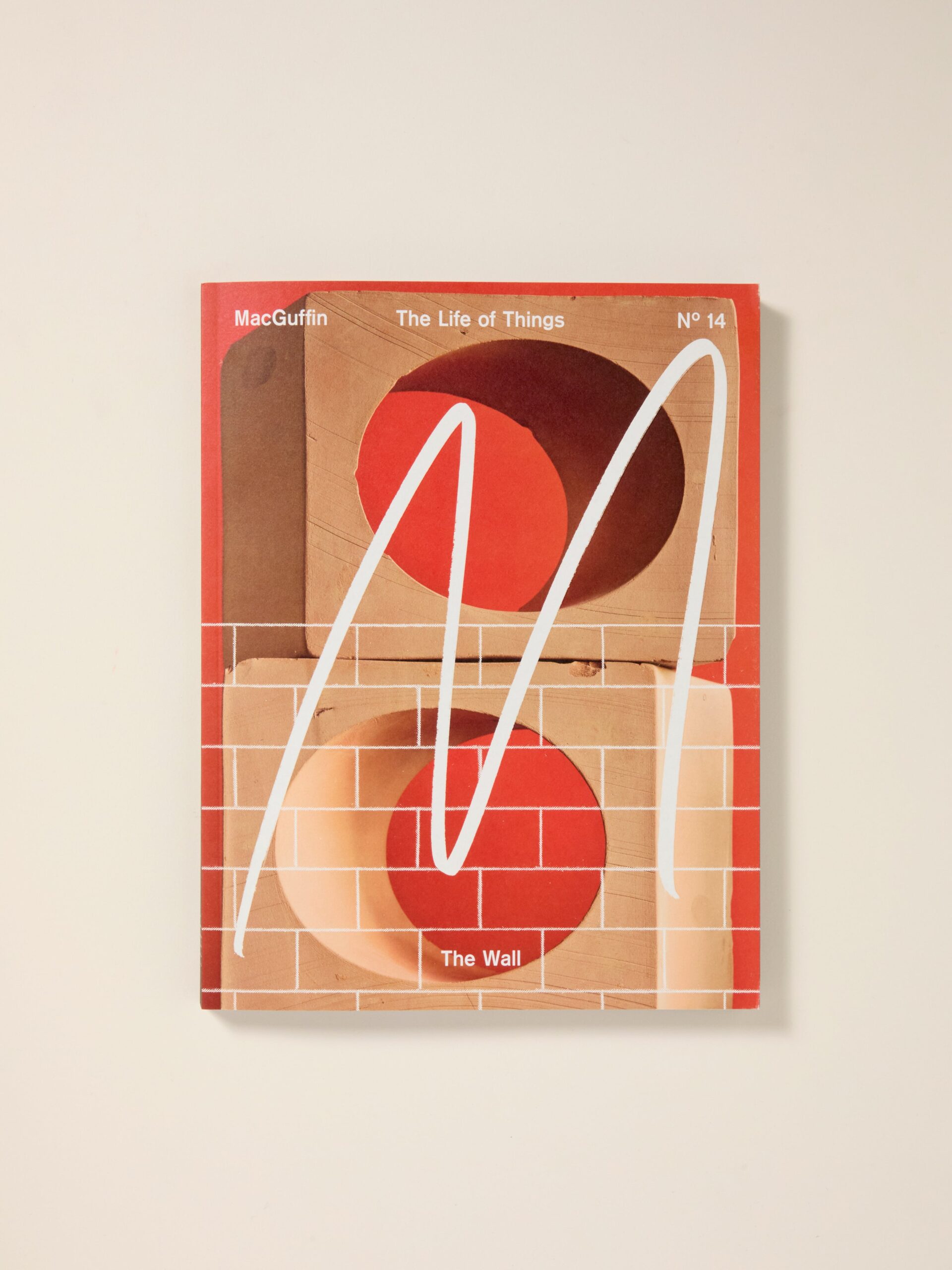
MacGuffin 14: The Wall
by François Truffaut
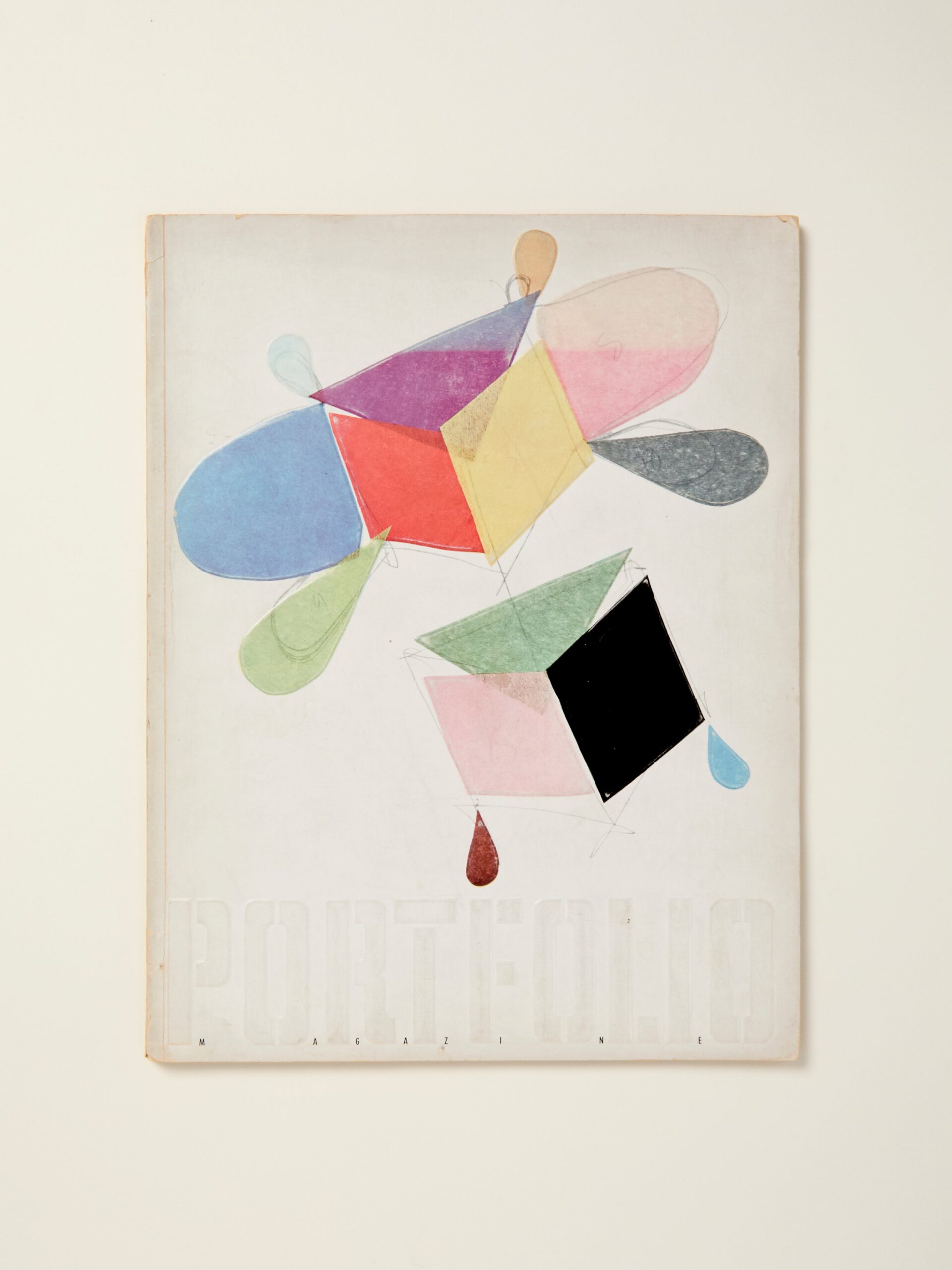
Portfolio Magazine, Issue 2 (Summer 1950)
by George Rosenthal and Frank Zachary and art-directed by Alexey Brodovitch
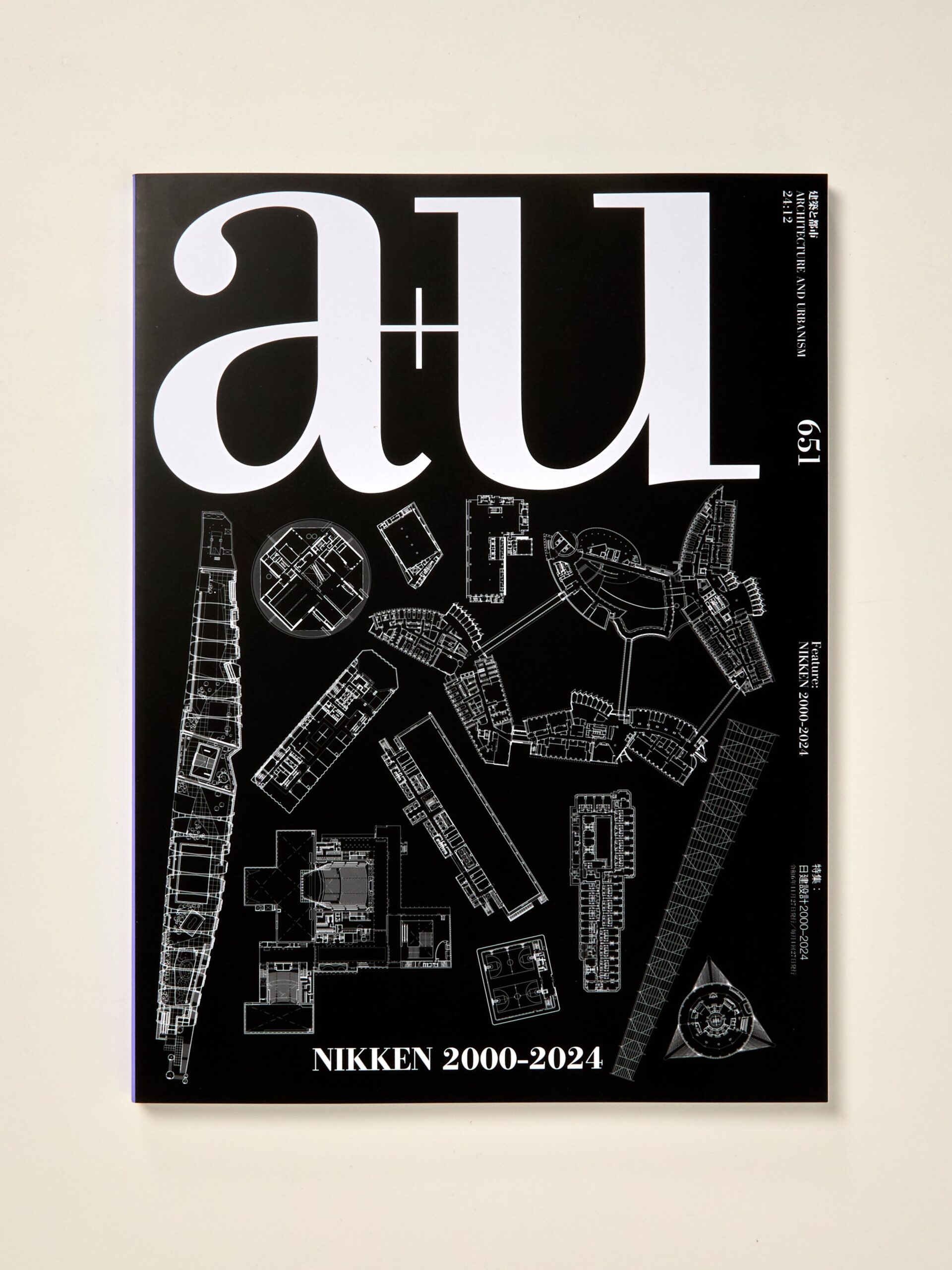
a+u 651 24:12 NIKKEN 2000-2024
by
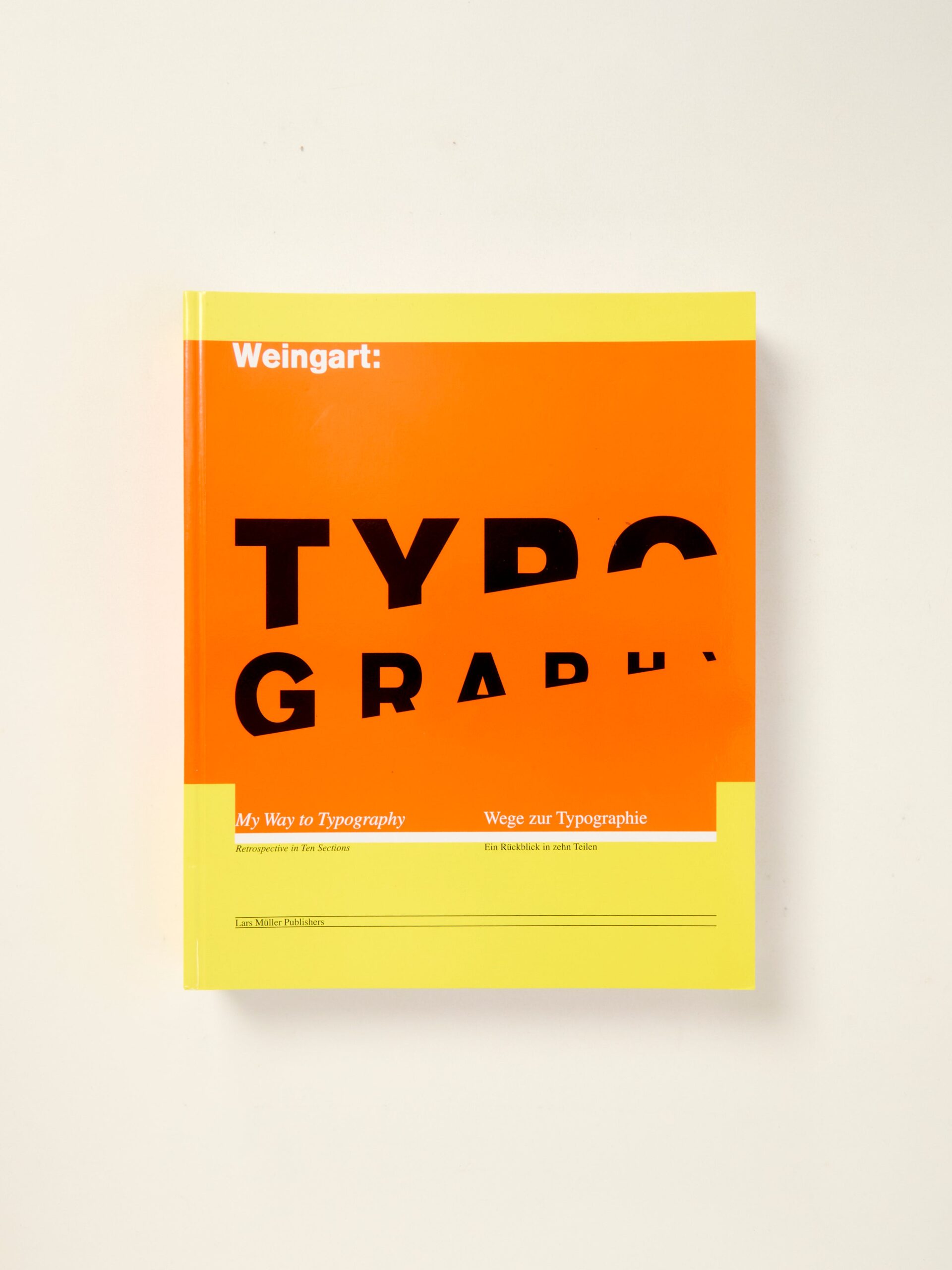
Weingart: Typography
by his teaching at the Basel School of Design and by his lectures
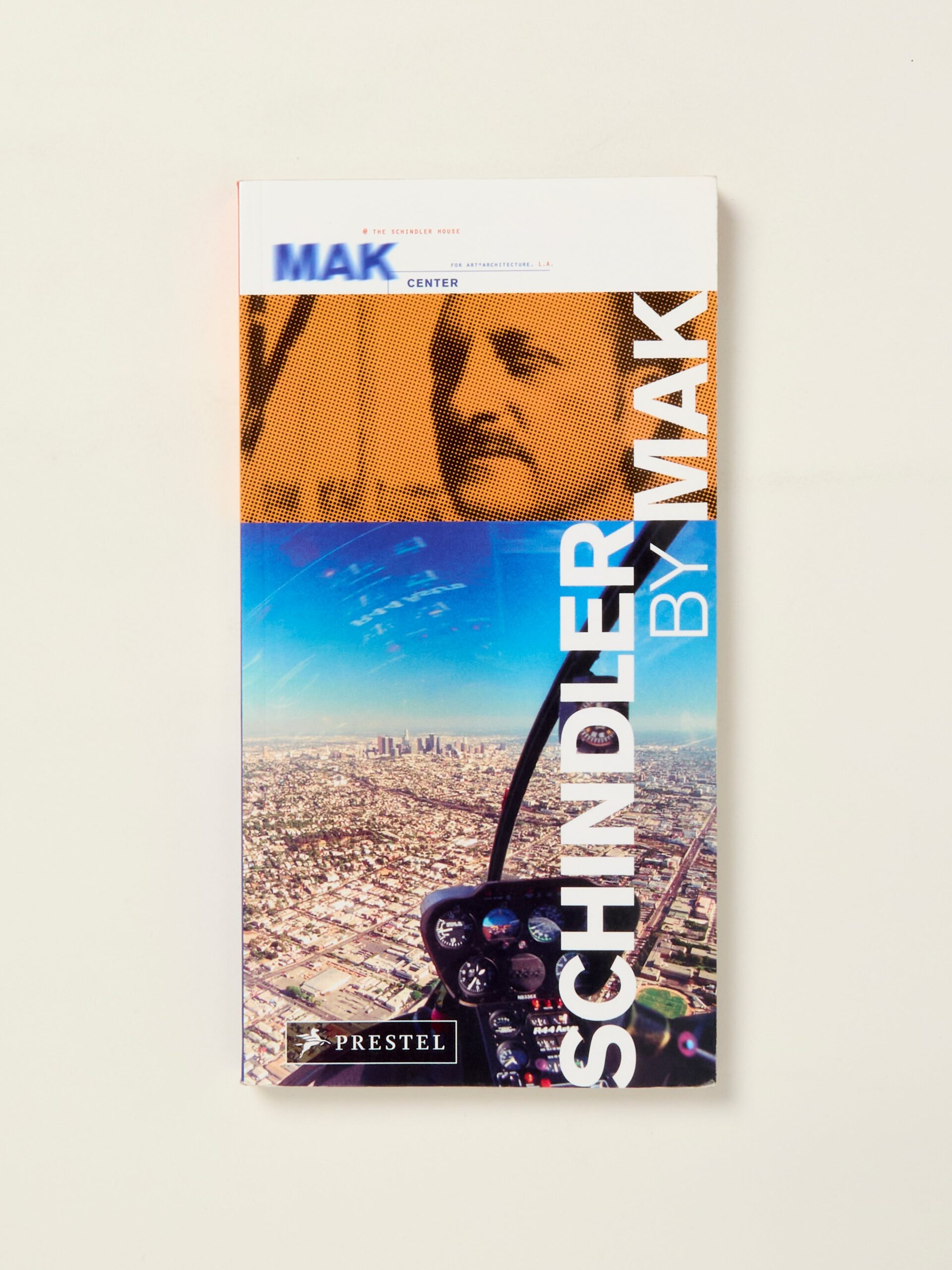
Schindler by MAK
Schindler by MAK
by Peter Noever
The Bathroom: From Hygiene to Wellness
by mudac—the Museum of Contemporary Design and Applied Arts in Lausanne—Raddar is a series of texts dedicated to design rese
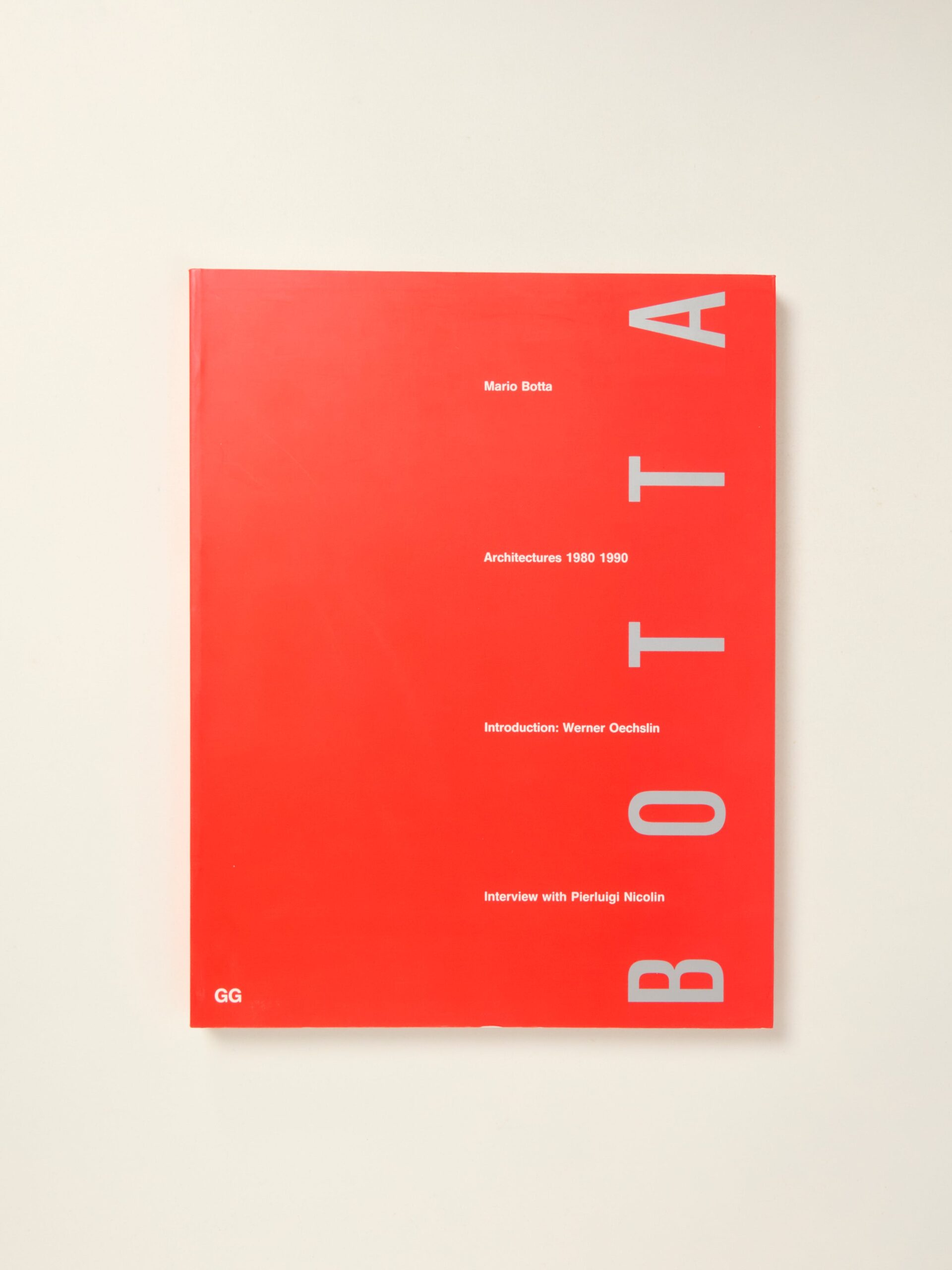
Mario Botta: Architectures 1980-1990
by Werner Oechslin
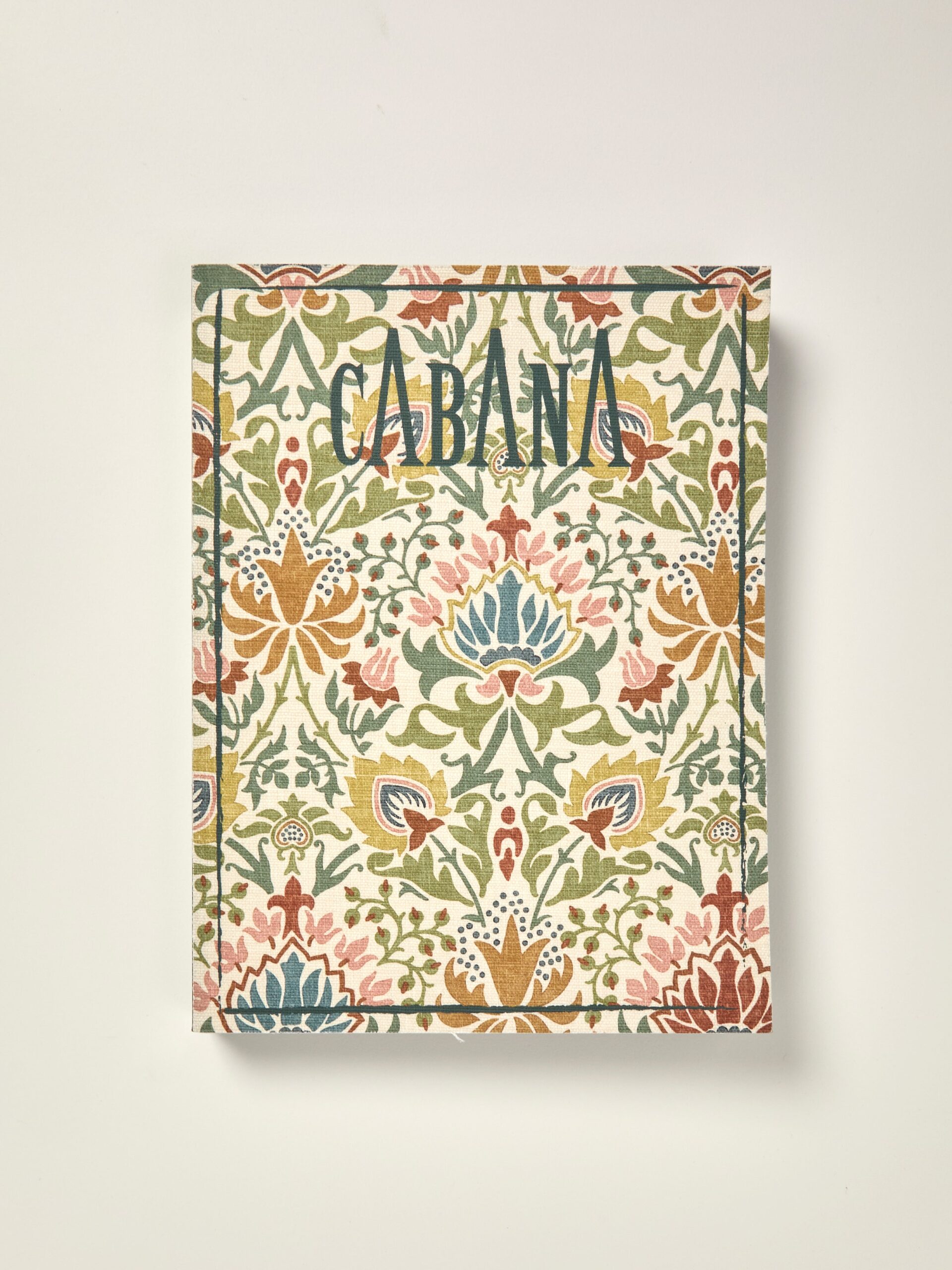
Cabana Magazine No. 24
by Cabana Magazine No.
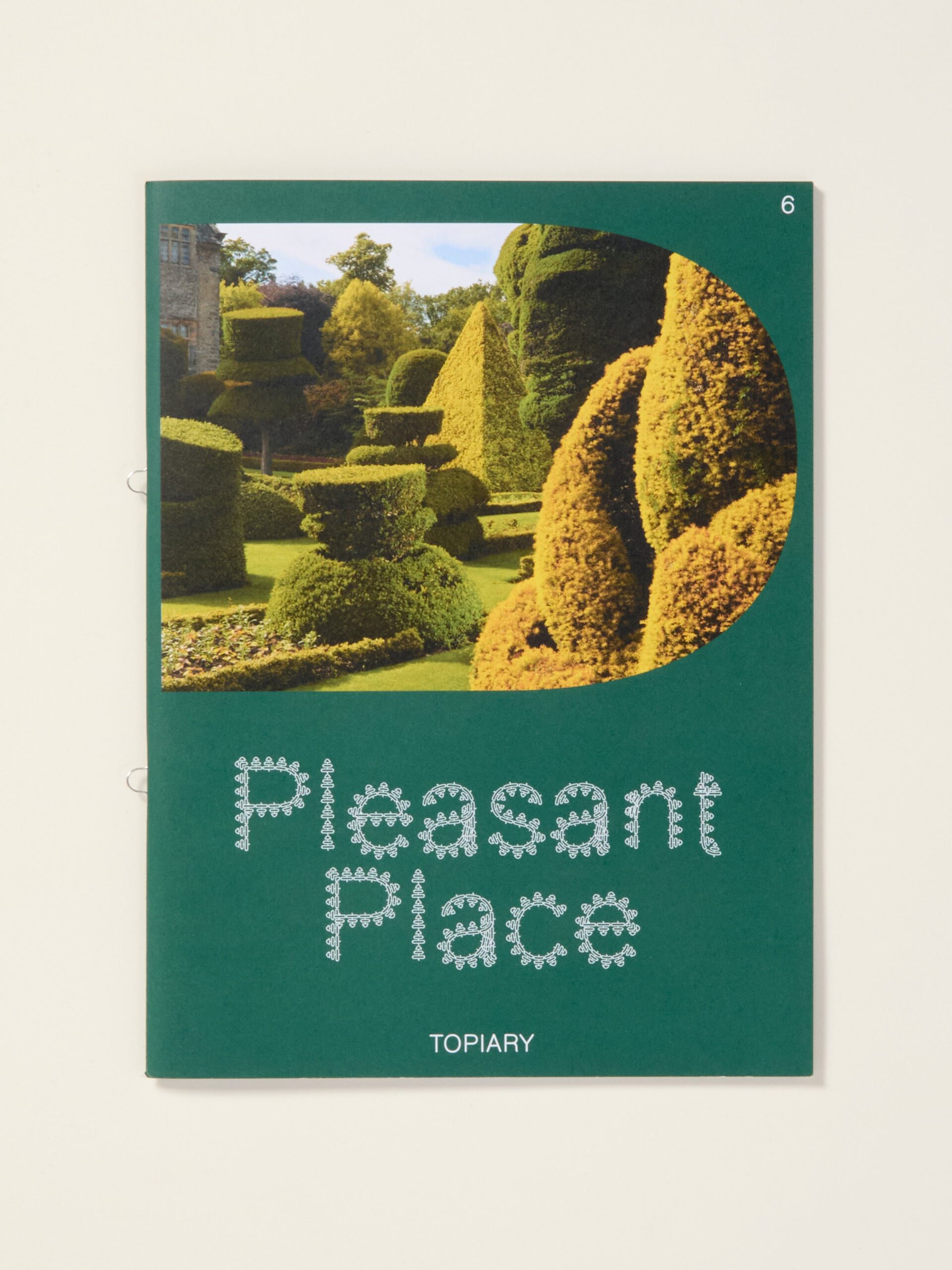
Pleasant Place 6: Topiary
by botanical philosopher Norbert Peeters; a conversation with Chris Crowder
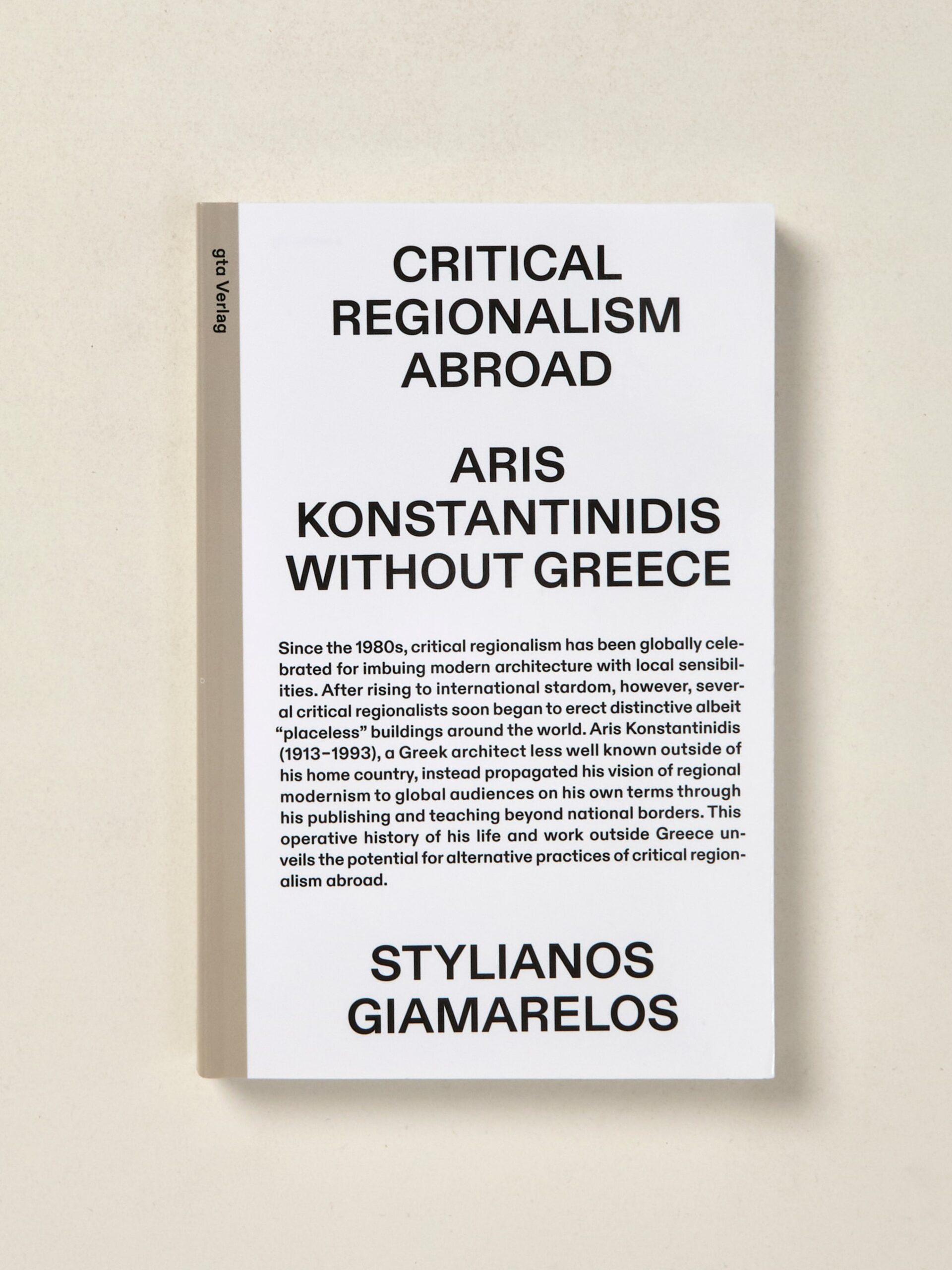
Critical Regionalism Abroad – Aris Konstantinidis without Greece
by Critical Regionalism Abroad
Emilio Ambasz: Arquitectura y Disegno 1973-1993
by Emilio Ambasz
Typophoto: New Typography and the Reinvention of Photography
by renowned Bauhaus artist and theorist László Moholy-Nagy and played a foundational role in the modernist graphic design mo
Findings on Elasticity
by Astrid van Baalen and Hester Aardse from the Pars Foundation is centred on ELASTICITY in the broadest sense of the word
The Tokyo Toilet
The Tokyo Toilet
by Wim Wenders
Max Dudler Diocesan Library (English and German Edition)
by Max Dudler Diocesan

Market

Community Notes