This website uses cookies.
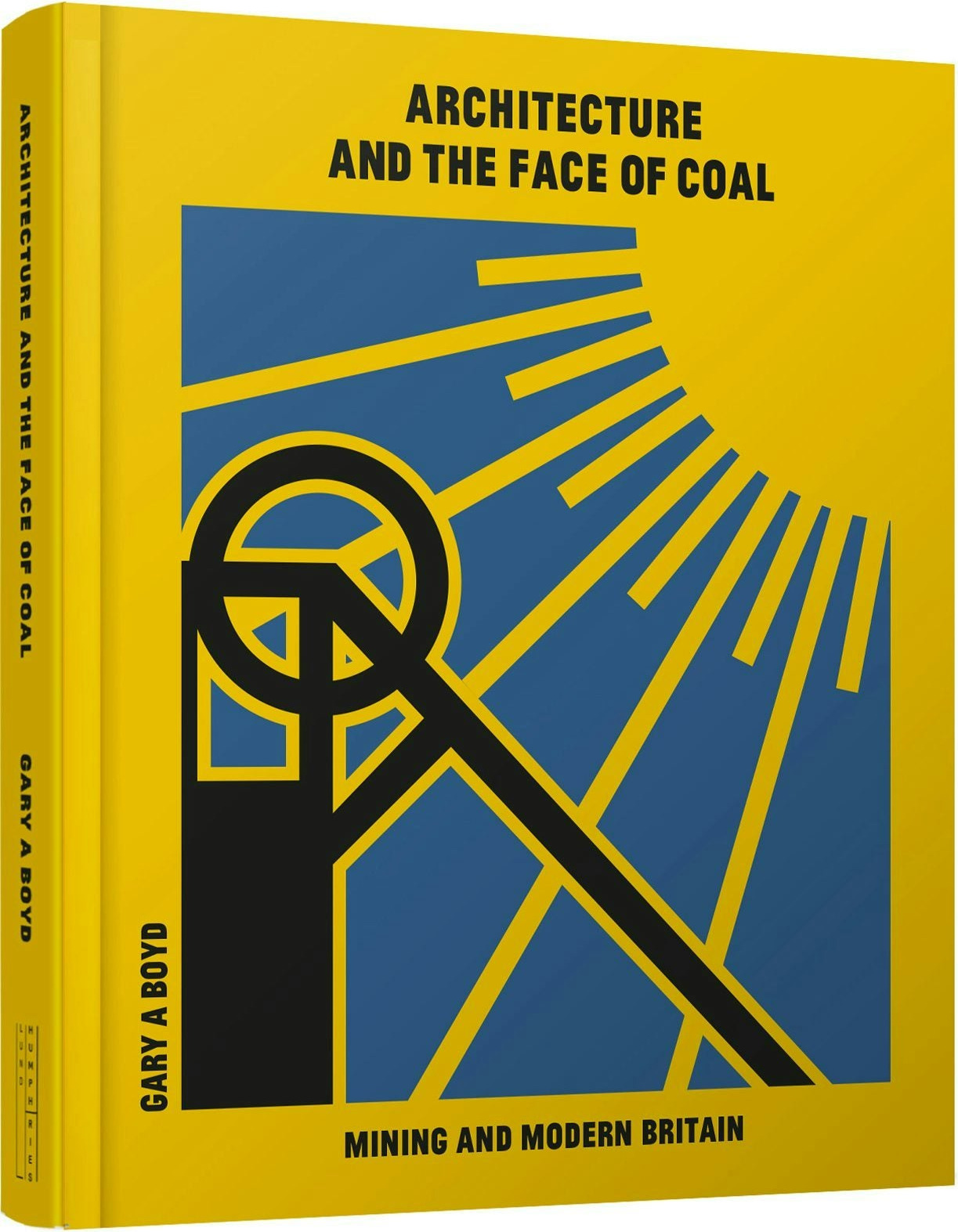
Architecture and the Face of Coal cover

Architecture and the Face of Coal

by

With only a handful of British coalmines remaining active and with targets set to reduce carbon emissions, the coal industry now seems to be heading towards extinction. Yet, it was coal that turned Britain into a world-leader during the Industrial Revolution and established the conditions for the modern state. In the 20th century, it generated building programmes on a massive scale concerning miners’ welfare, settlements and housing. The form, space, organisation, and aesthetics of architecture became of critical importance not just to the process of the industry’s modernisation but also how it was perceived and understood both within and outside its workforce. But despite the centrality of coal mining and its workers to the development of modern Britain, as well as the contemporary recognition that aspects of its innovative architecture received, its built legacy has often been overlooked and physically almost completely erased. Divided into three parts, this is the first book which provides a critical and comprehensive examination of the architecture of coal in Britain and how it responded to the needs of the industry and, perhaps more significantly, its labour force. Part I explores the relationship between the architecture of coal and the provision of welfare. While this produced a series of enlightened built projects for miners and their communities especially between the wars – educational buildings, reading rooms, holiday camps, welfare institutes, sports grounds, swimming pools, medical centres, children’s playgrounds, etc. – it focusses on the paradigmatic integration of aesthetics and programme seen most emphatically in the creation of over 600 pithead baths. Part II looks at settlement and the relationships between responses to often adverse conditions within domestic environments in mining settlements and the development of broader and influential theories and practices concerning housing. Finally, Part III explores the modernisation of the industry during the post-war period arguing that that architectural design and representation became pivotal to the functional and symbolic requirements of the newly Nationalised entity and its position within, and singular contribution to, post-war society.
Publisher
Gary A. Boyd
ISBN-13
9781848223561
Subjects
Hardcoverbic AMG: Public buildings - civic, commercial, industrial, etcbic AMX: History of architecturebic KNBC: Coal & solid fuel industriescontributor:Gary A. Boydformat:Hardcoverimprint:Lund Humphries Publishers Ltdprice:45.00publication-date:2022-12-15publisher:Lund Humphries Publishers Ltd
  • Have:1
  • Want:
  • Avg Rating:
  • Ratings:

Who has this book

1 Connection

Recommendations

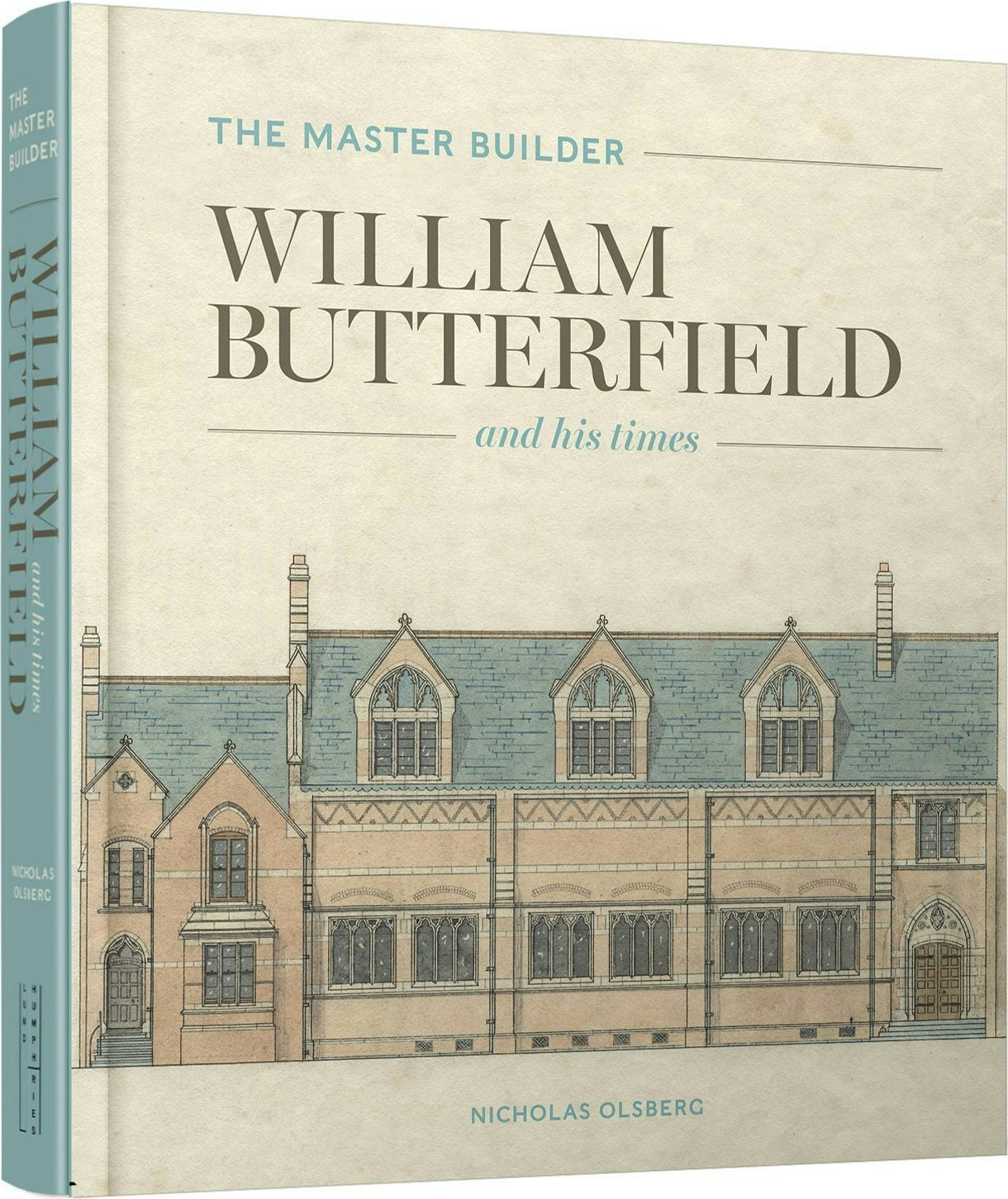
The Master Builder
The Master Builder
by OLSBERG
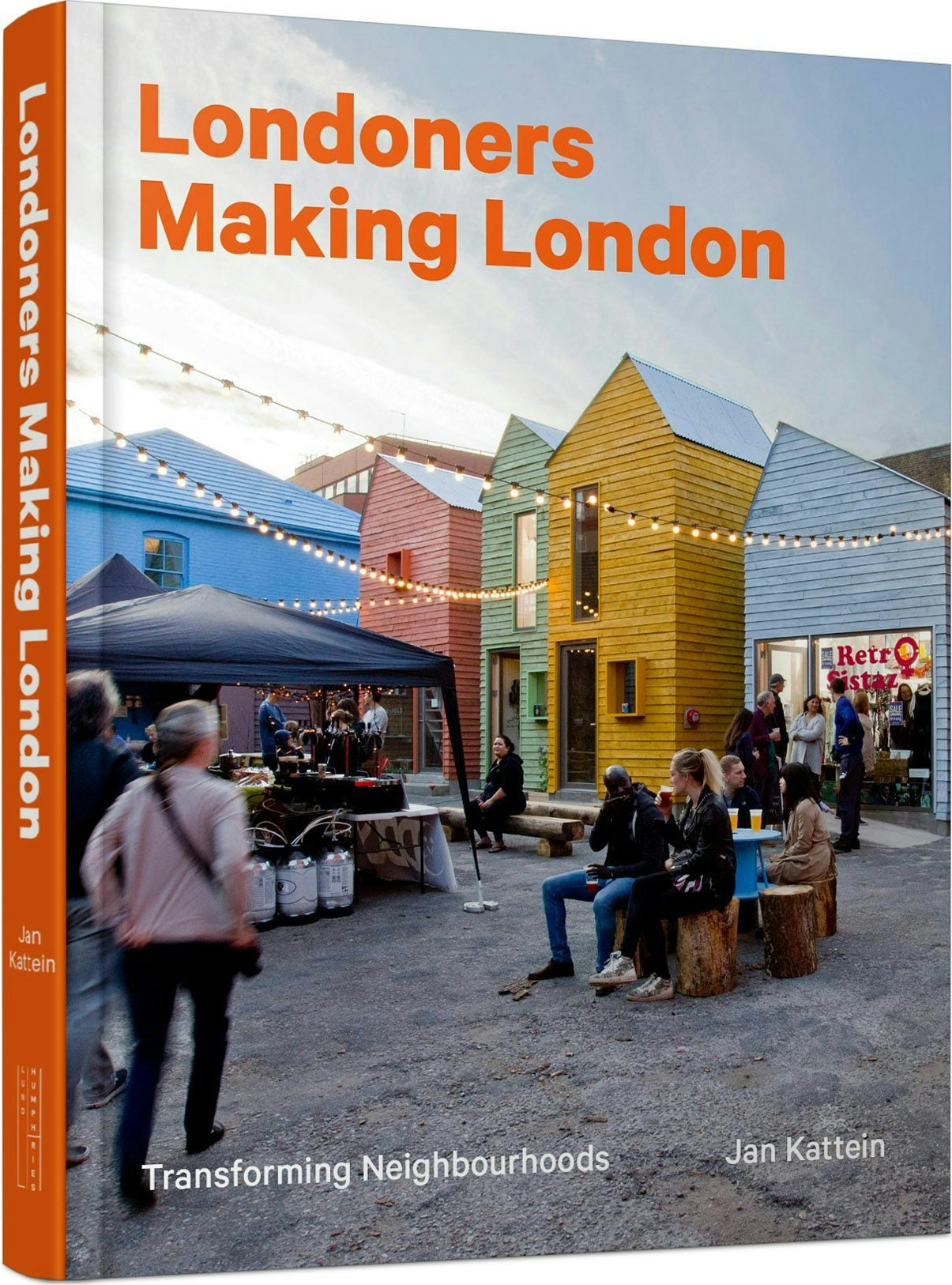
Londoners Making London
by architects
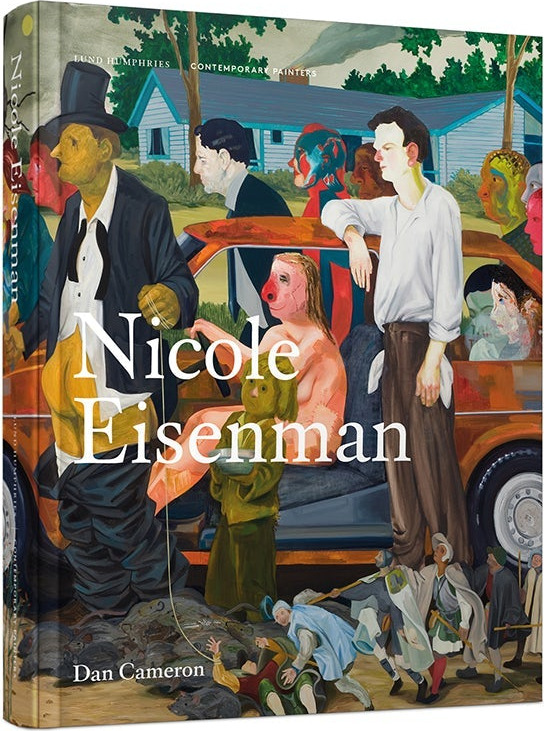
Nicole Eisenman
Nicole Eisenman
by Dan Cameron
Clotilde Brewster
Clotilde Brewster
by composer Ethel Smyth as brilliant
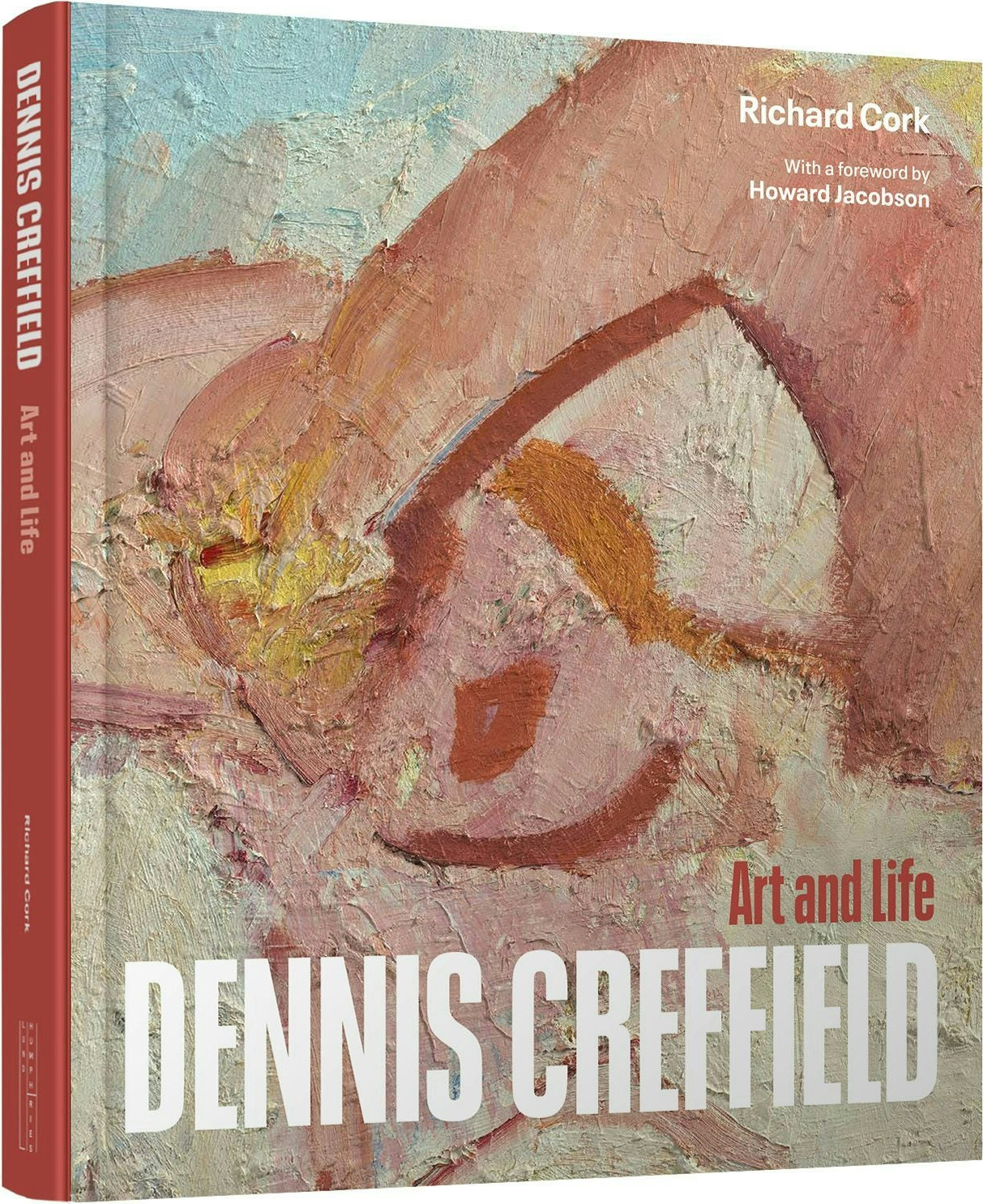
Dennis Creffield
Dennis Creffield
by artists and writers from Henri Cartier Bresson to the Booker prize winner Howard Jacobson
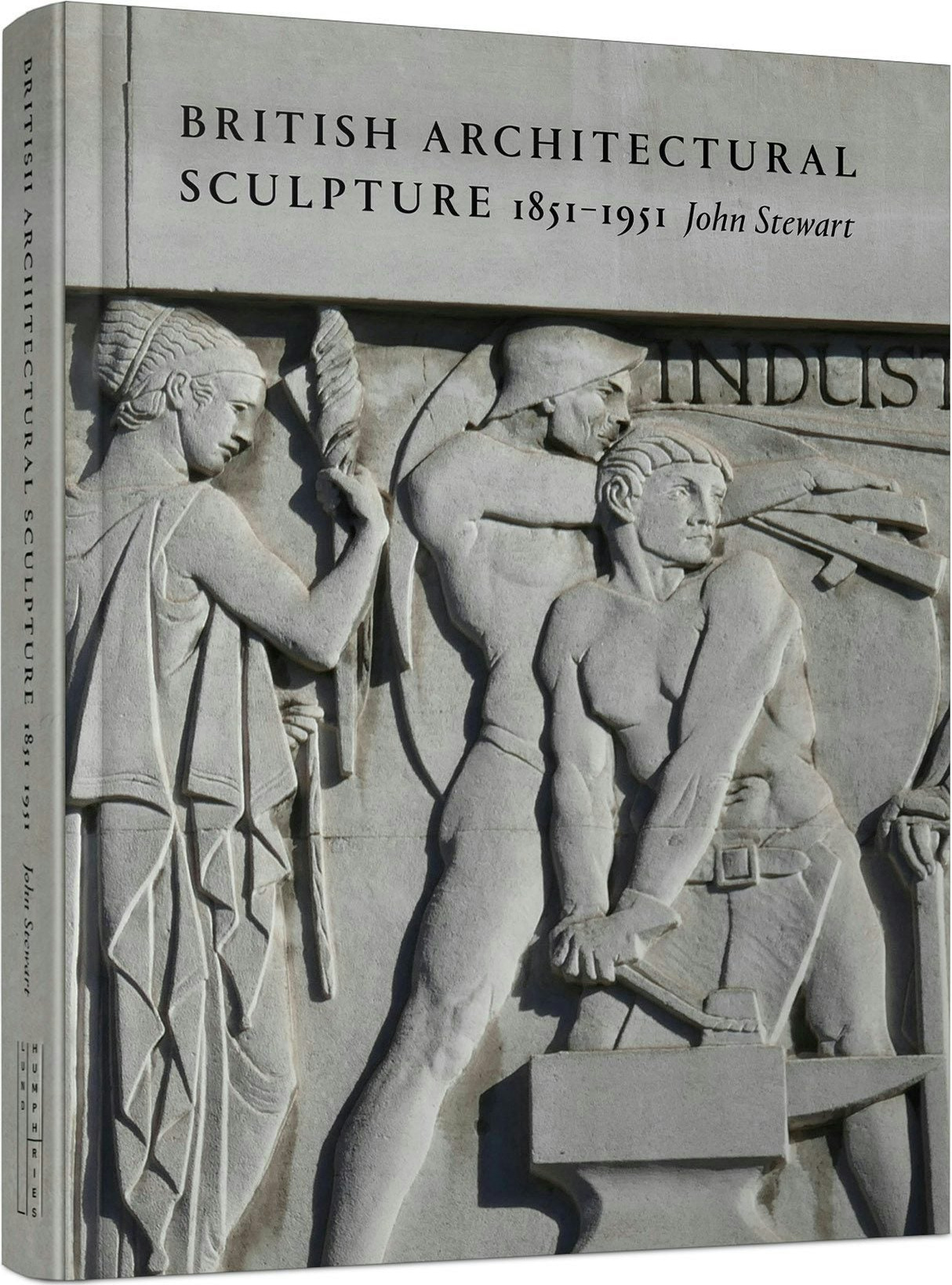
British Architectural Sculpture
by the major architects of the period
Architectures of the Technopolis
by exploring central shared ideas: utopia
John Vanbrugh
John Vanbrugh
by the standards of architects of the time
The Cottage in Interwar England
by the end of the 1930s
The Valuation of Fine Art and Design
by demonstrating
Arts & Crafts Churches
by Alec Hamilton sets out the social and political context in which these churches were designed and constructed; on the Art
Rose Wylie
Rose Wylie
by a wide range of visual culture
Walter Segal
Walter Segal
by leaders of the European avant-garde
Book of Ruins
Book of Ruins
by writers
The Architecture and Writings of E.S. Prior
by his original
The Wooden Architecture of Northern Europe
by coniferous forest and remained until well into the 20th century a largely rural society
Japan and the West
Japan and the West
by the Japanese minka
Travels with Frank Lloyd Wright
by meets the people who are living with and experiencing Lloyd Wright’s ‘organic’ architecture today and asks whether the bu
Hans Christian Hansen
by Prof Kersten Geers
Edward Bawden Scrapbooks
by these scrapbooks: perusing them is like trawling through an almanac of art
Young Poland
Young Poland
by the Polish Ministry of Culture and National Heritage as part of the ‘Inspiring Culture' Programme
Mounton House
Mounton House
by the renowned garden designer Arne Maynard
Dorothea Tanning
Dorothea Tanning
by conducted with the artist between 2000 and 2009
Liu Xiaodong
Liu Xiaodong
by modern technology
Streetscapes
Streetscapes
by John Speed in the C16th
Kay Fisker
Kay Fisker
by Louis Sullivan
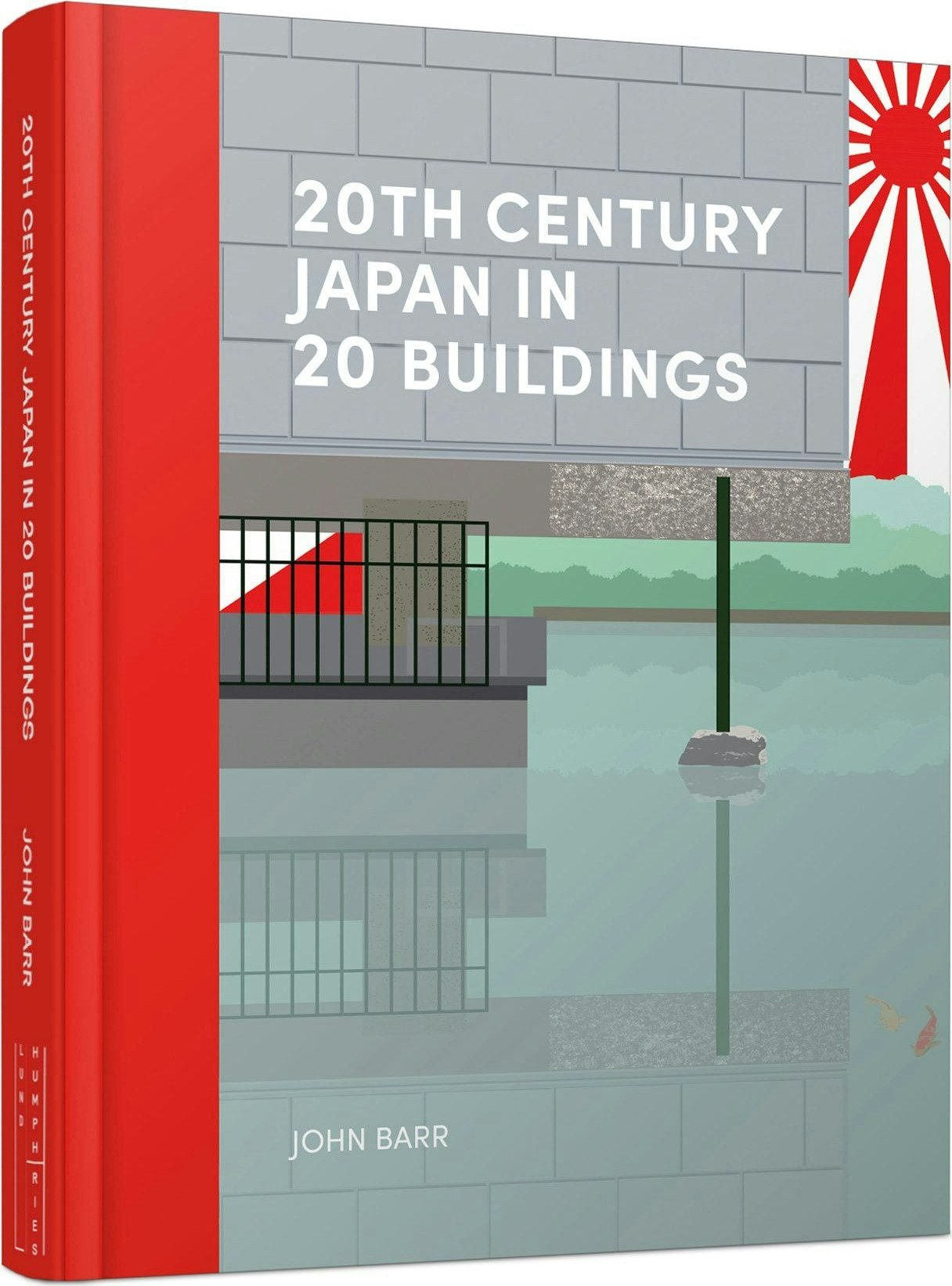
20th Century Japan in 20 Buildings
by provides a more rounded understanding of the development of modern architecture in Japan and the circumstances from which
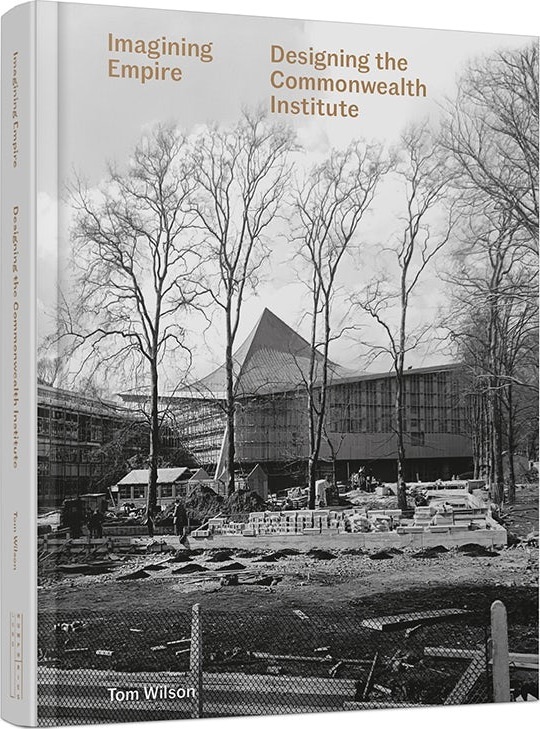
Imagining Empire
Imagining Empire
by three key players: Kenneth Bradley
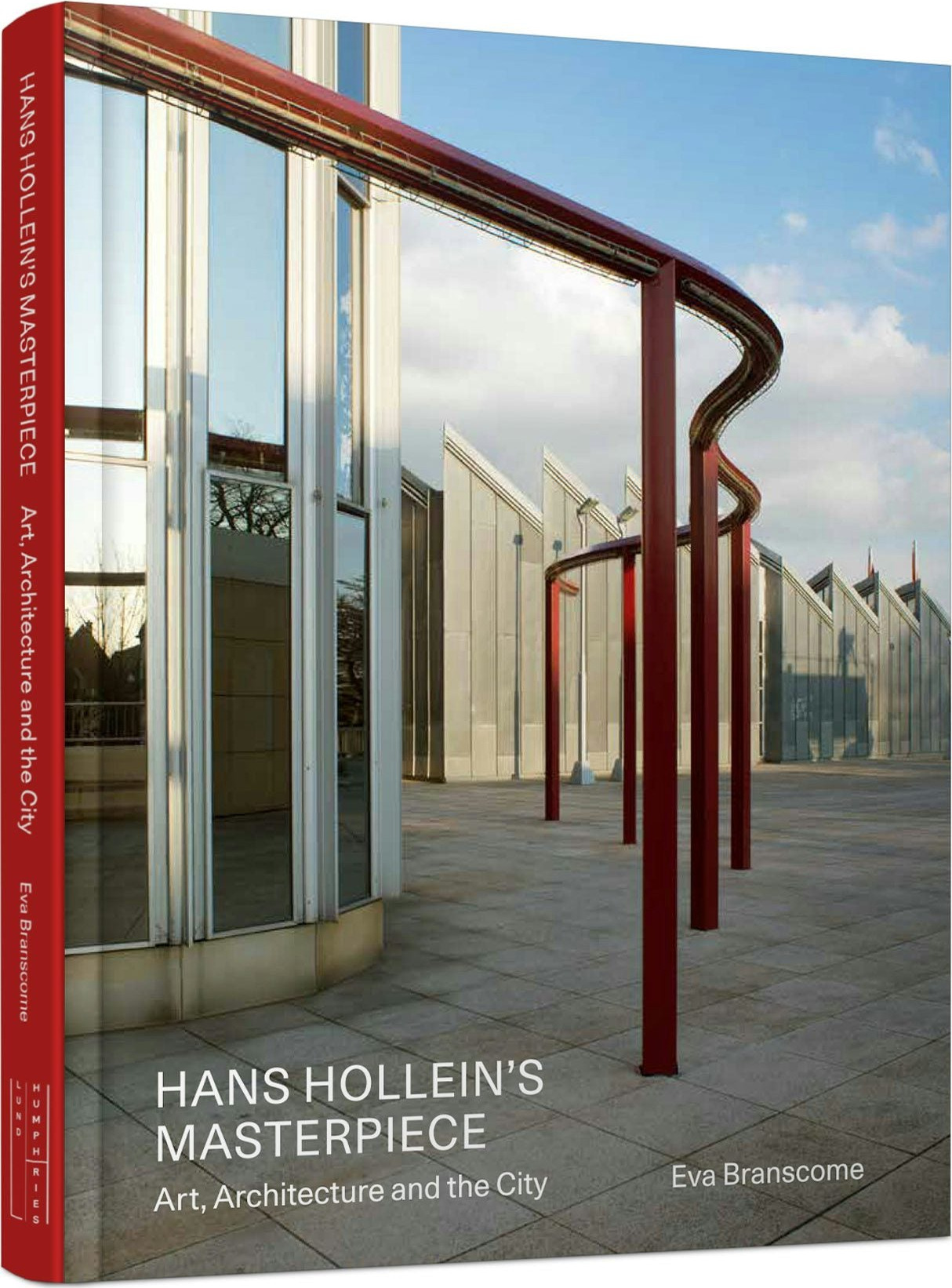
Hans Hollein’s Masterpiece
by international critics and Hollein was duly awarded the 1985 Pritzker Prize
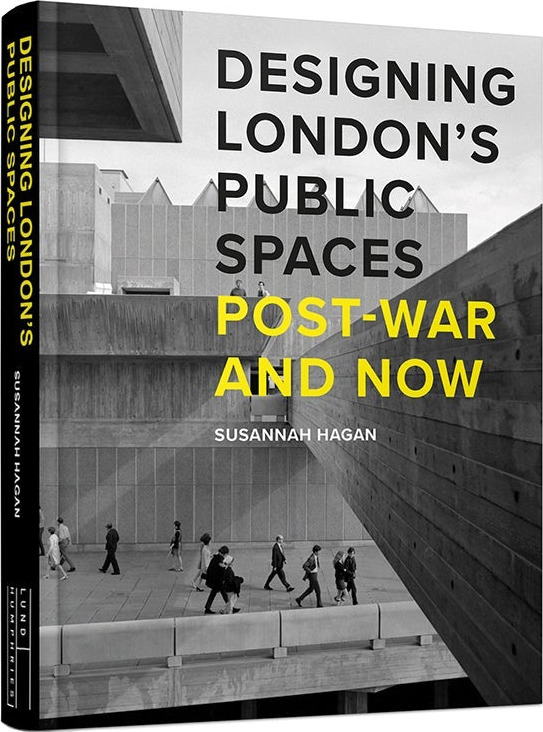
Designing London’s Public Spaces
by Designing London’s Public

Market

Community Notes